


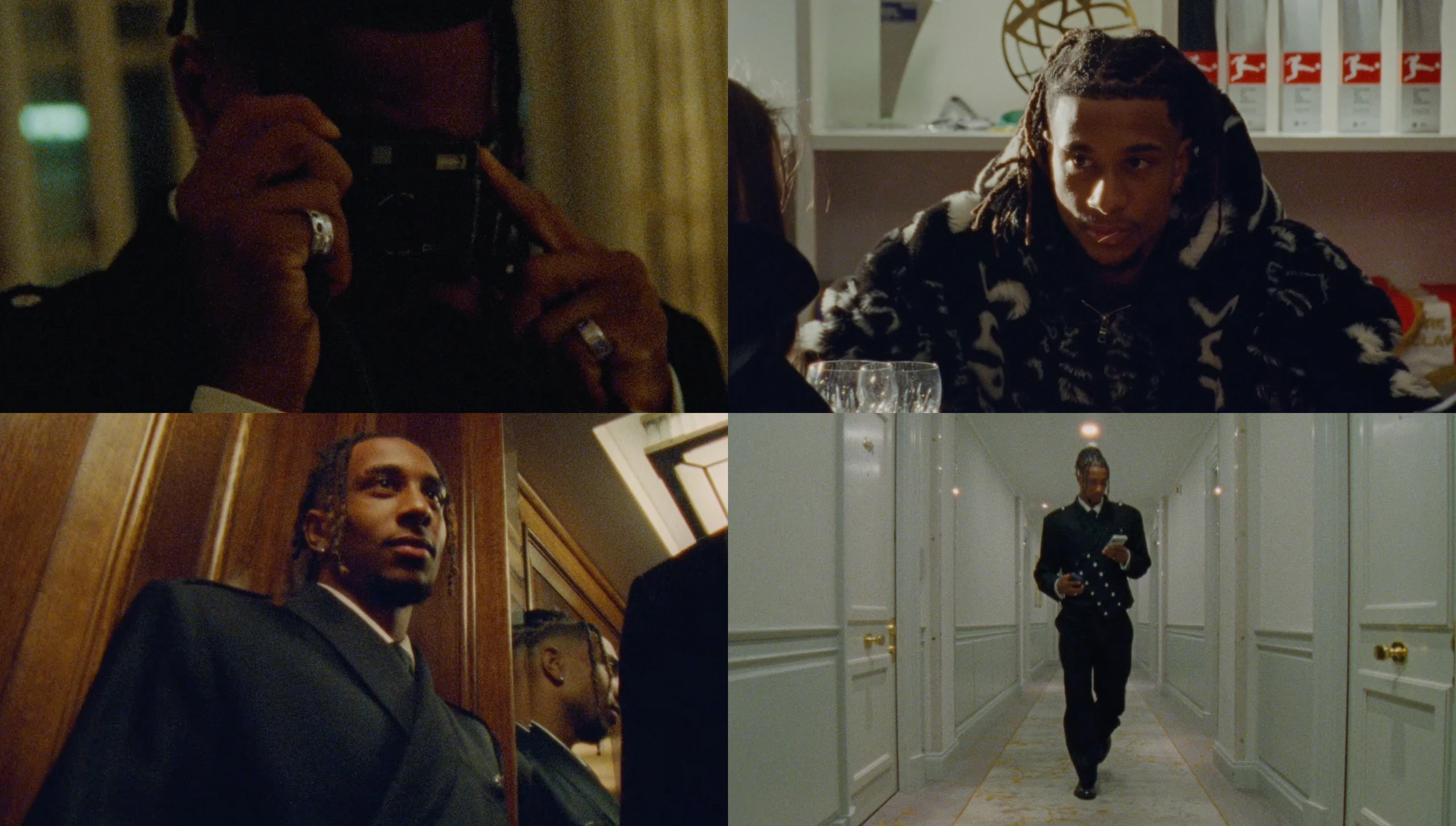
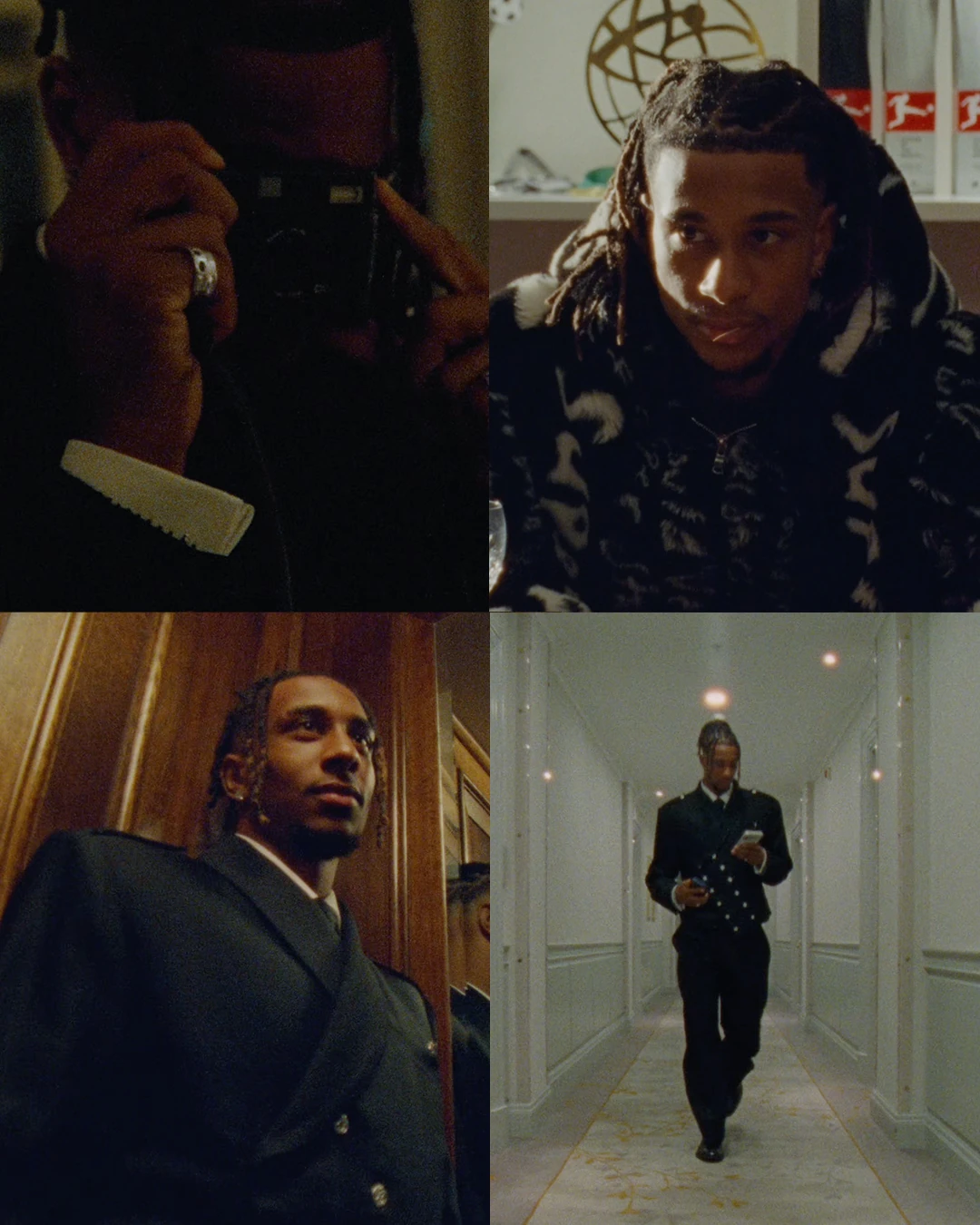










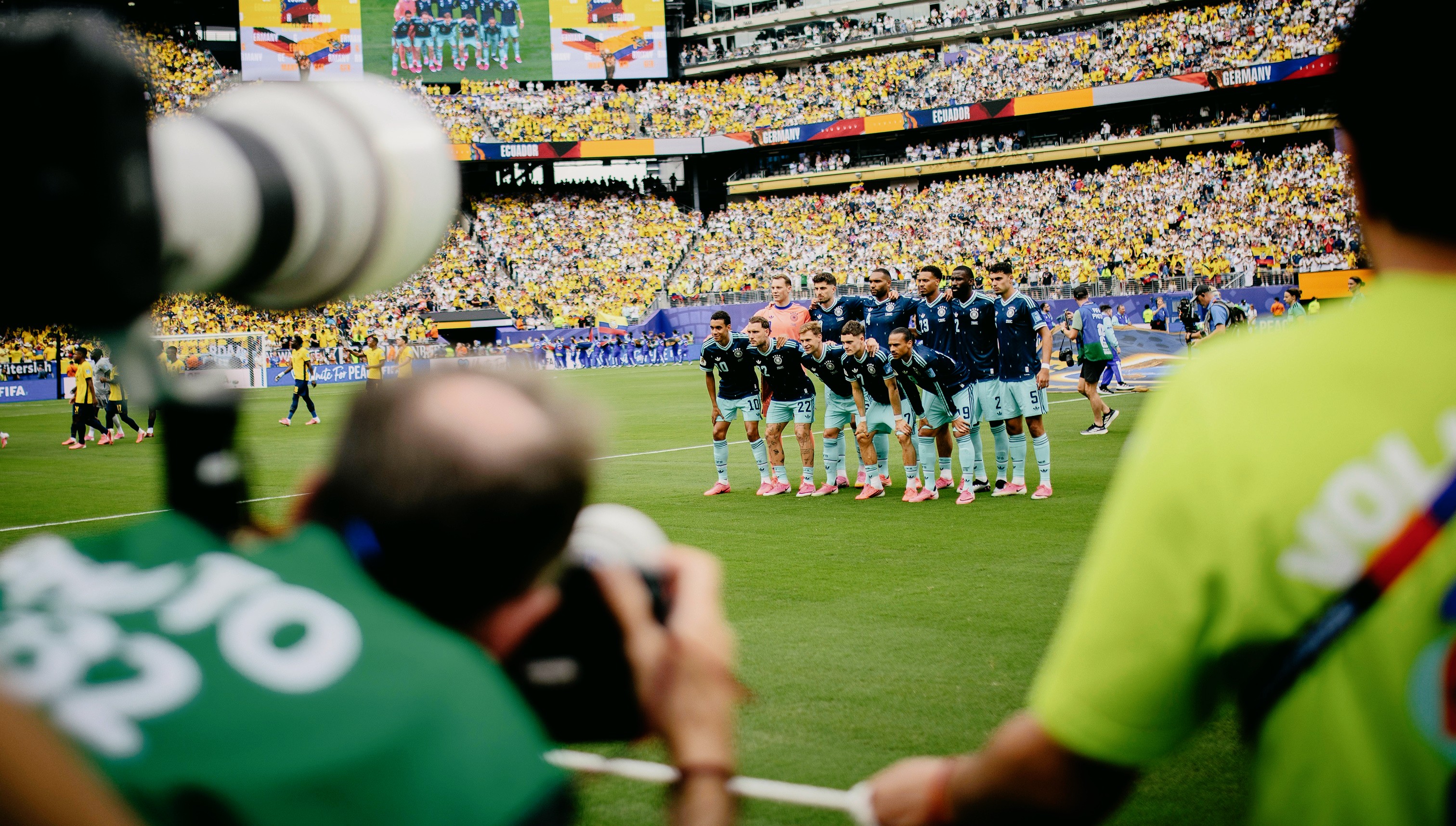
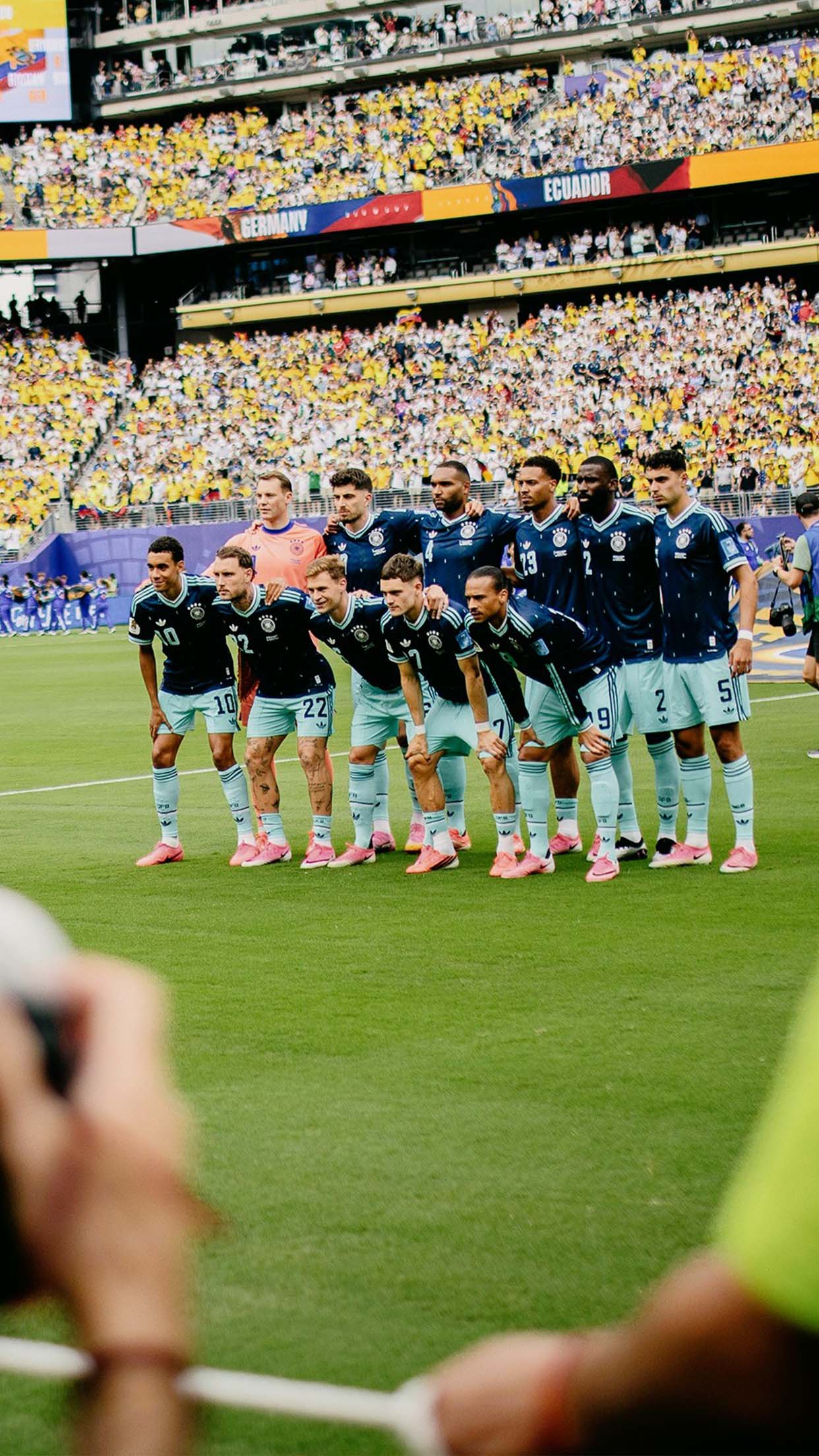




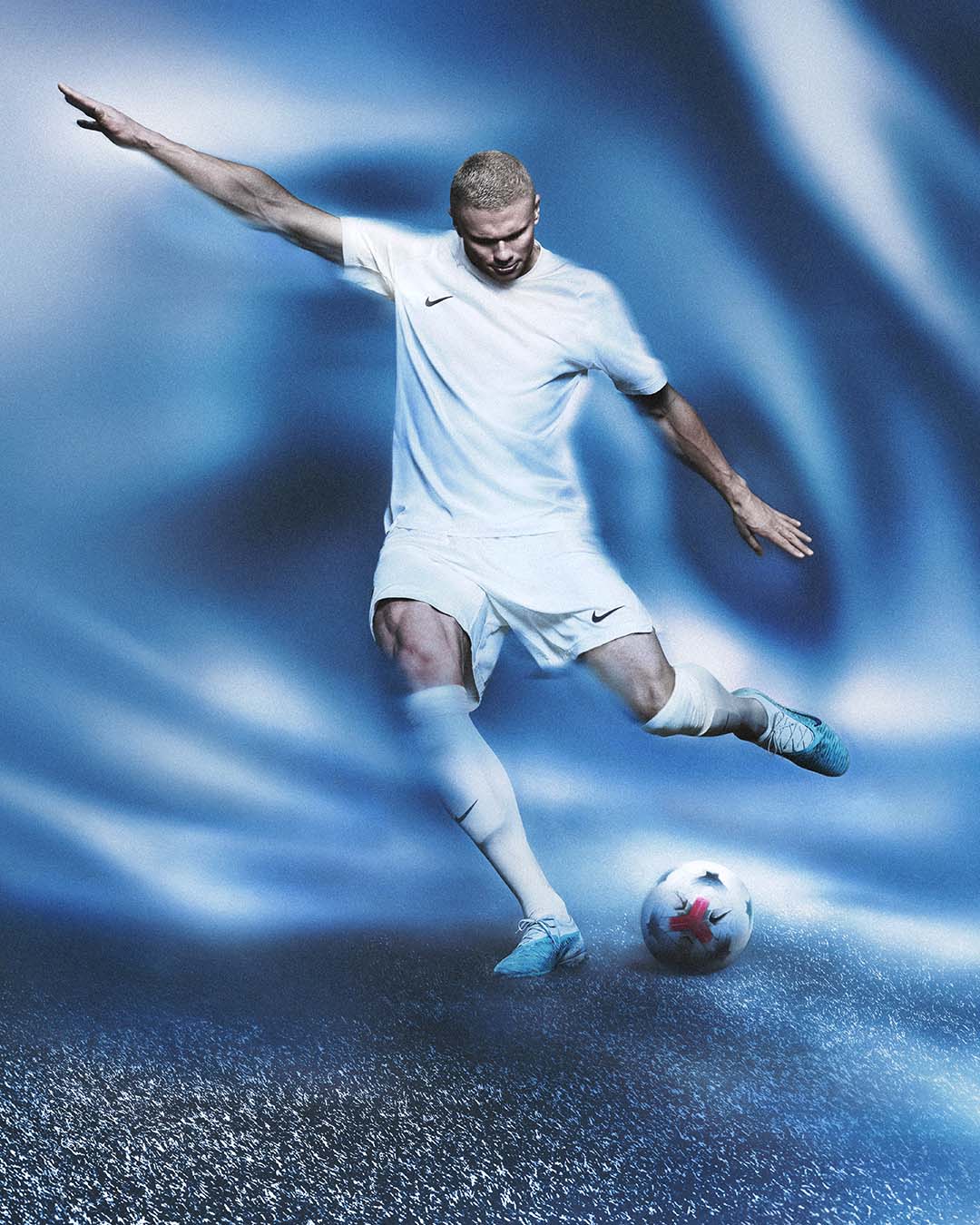


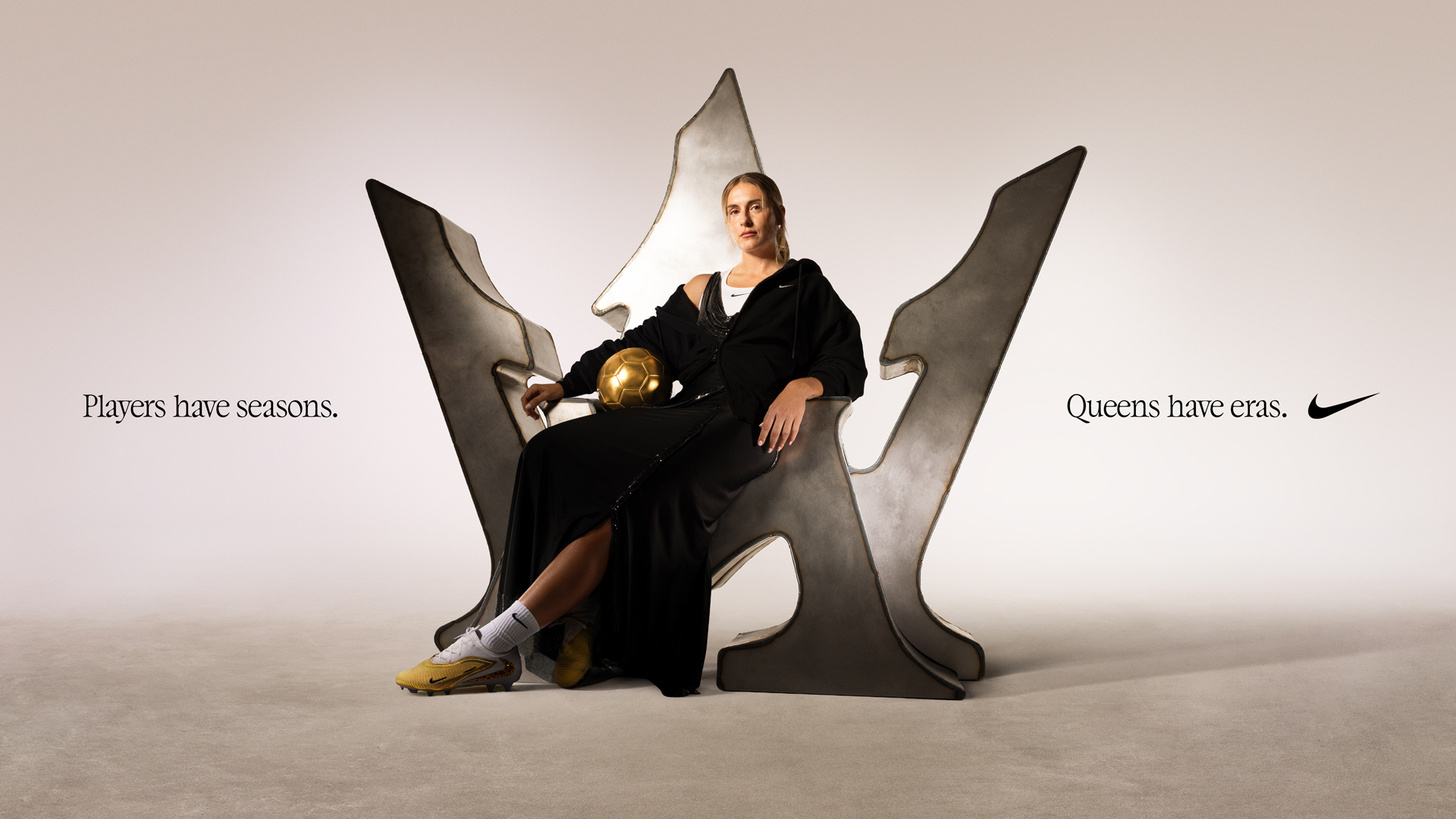


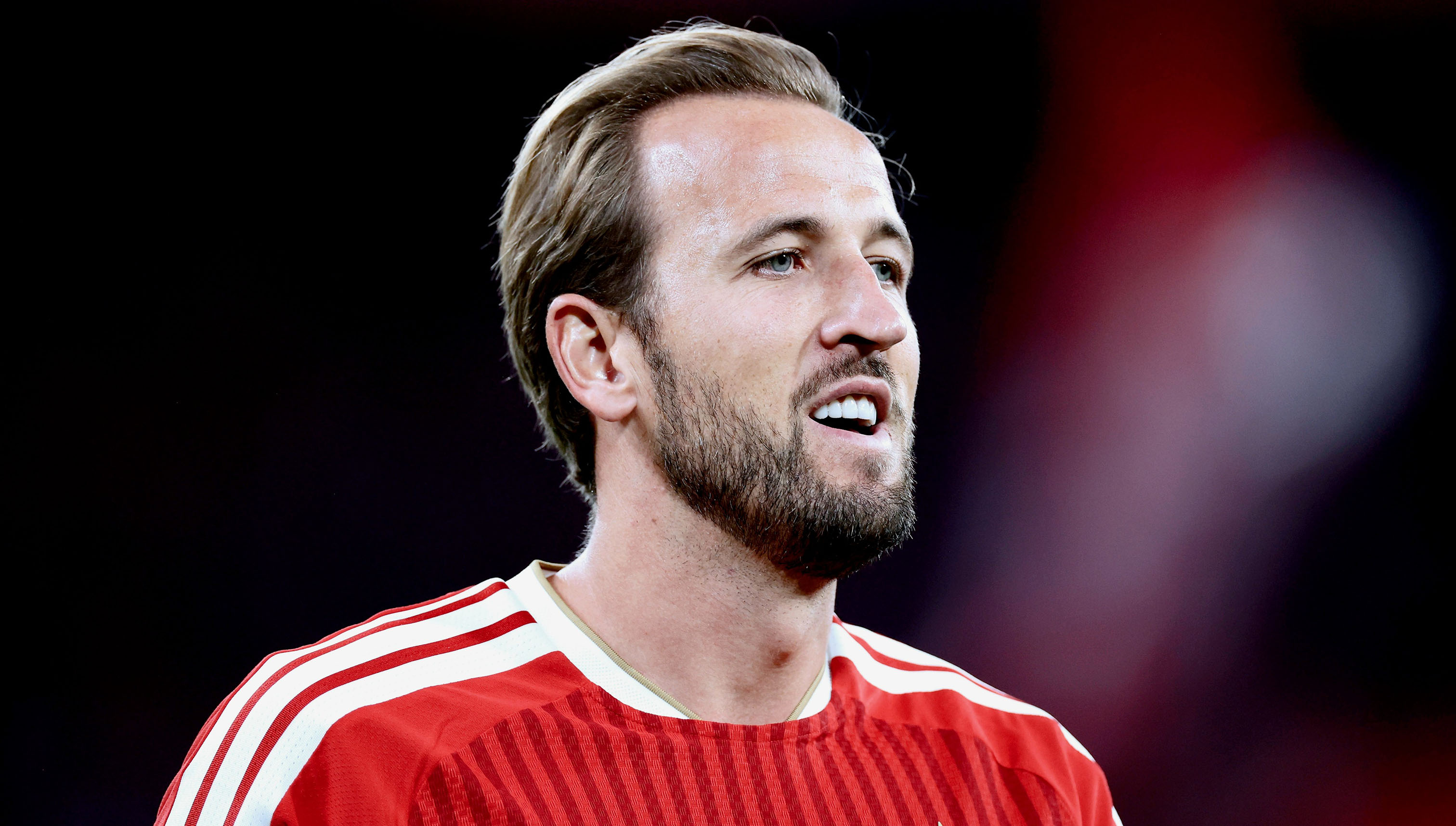




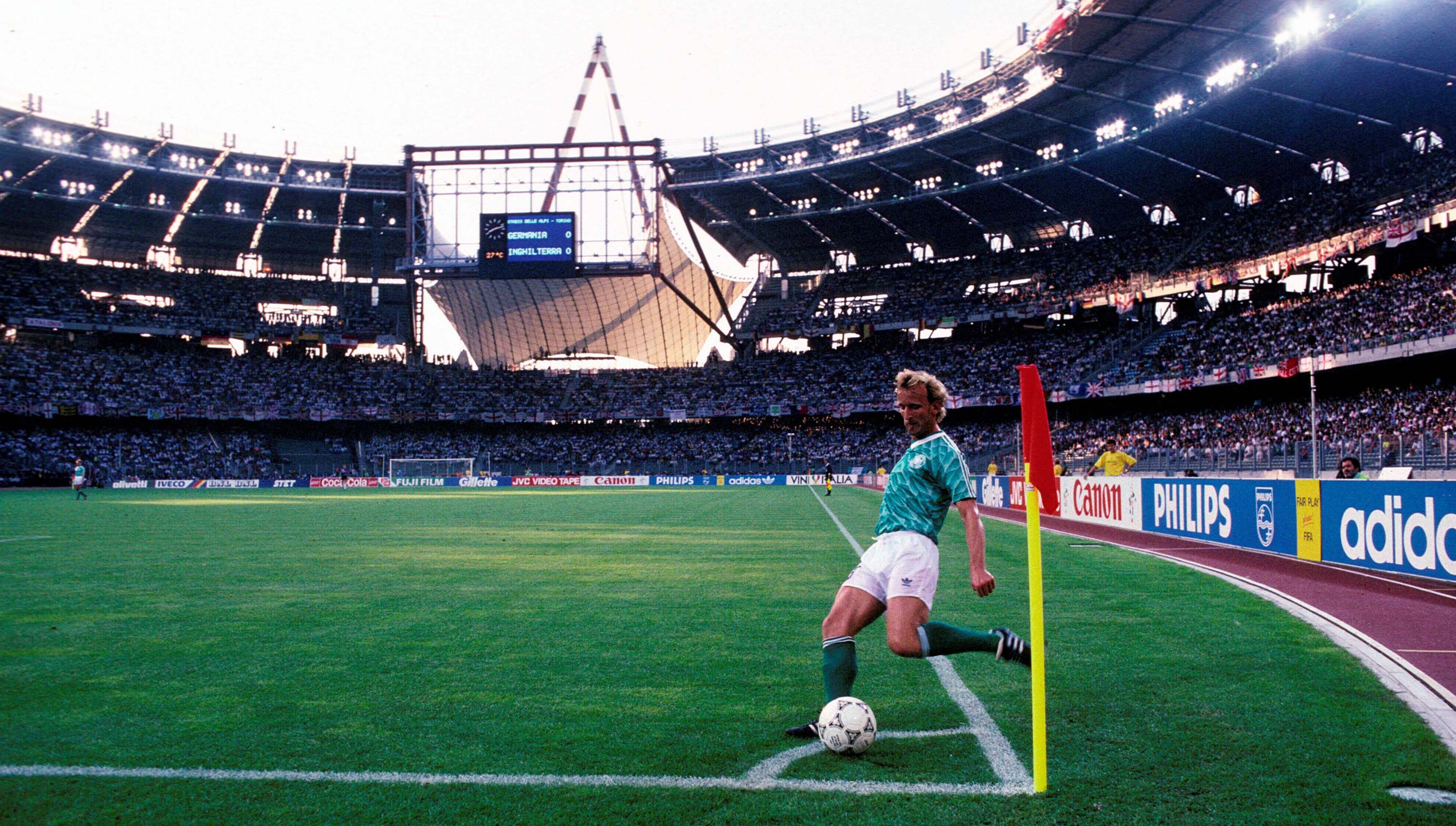
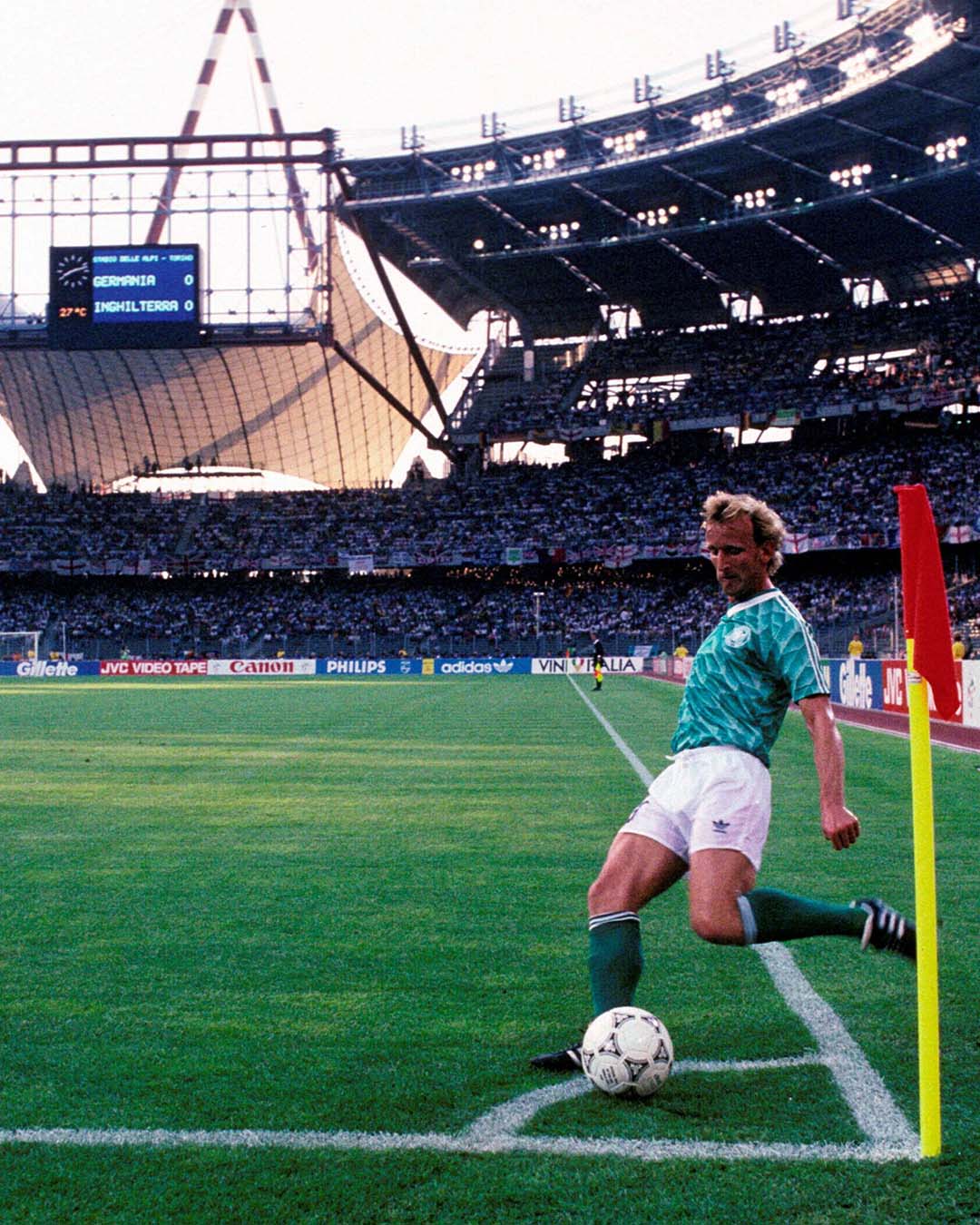

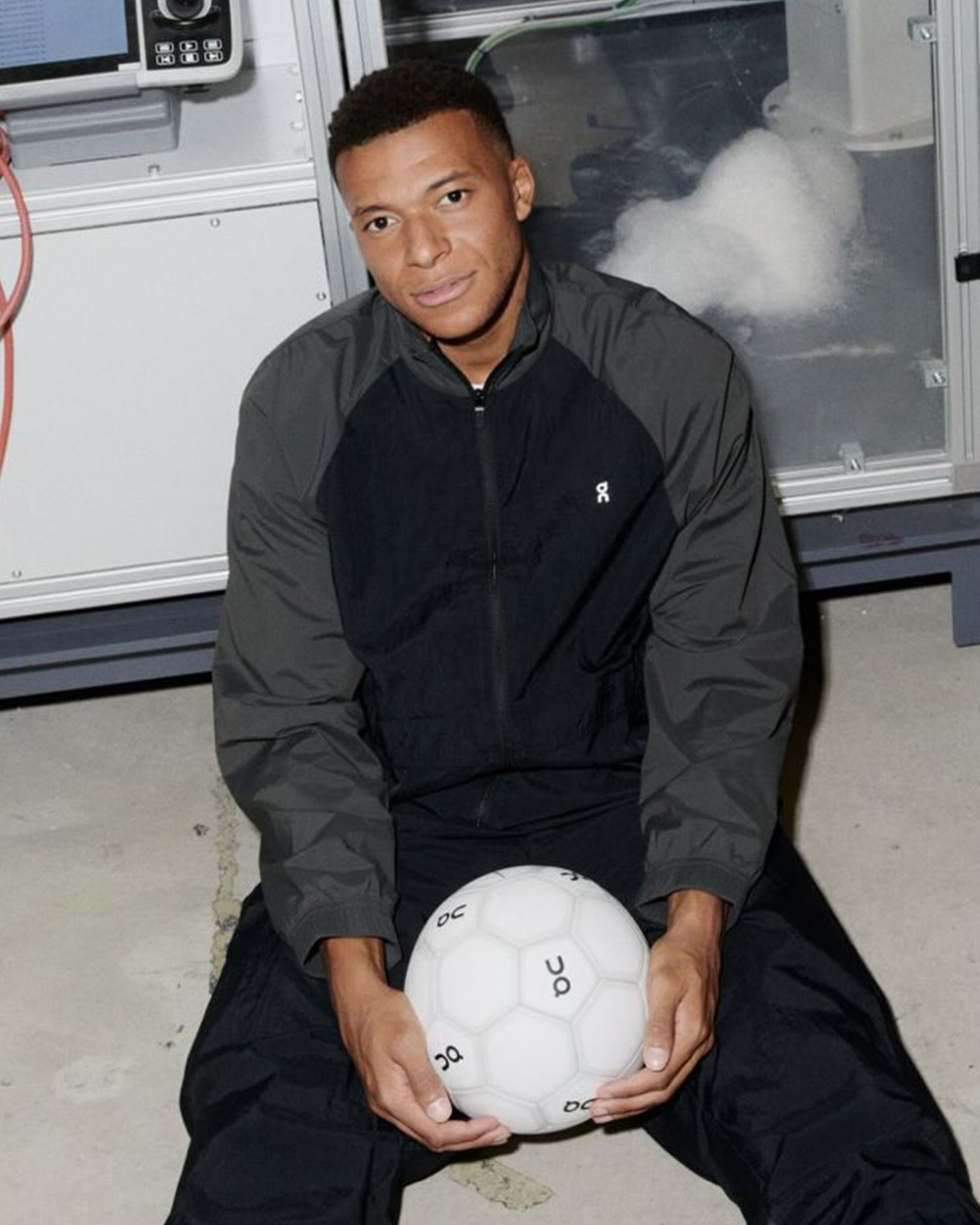
Photographers such as Florence Pernet, Clément Simon and Lukas Korschan show that exceptional football images can be made far from the touchline. Their work, moving between TV broadcasts and video games, raises a question: where does sports photography begin?
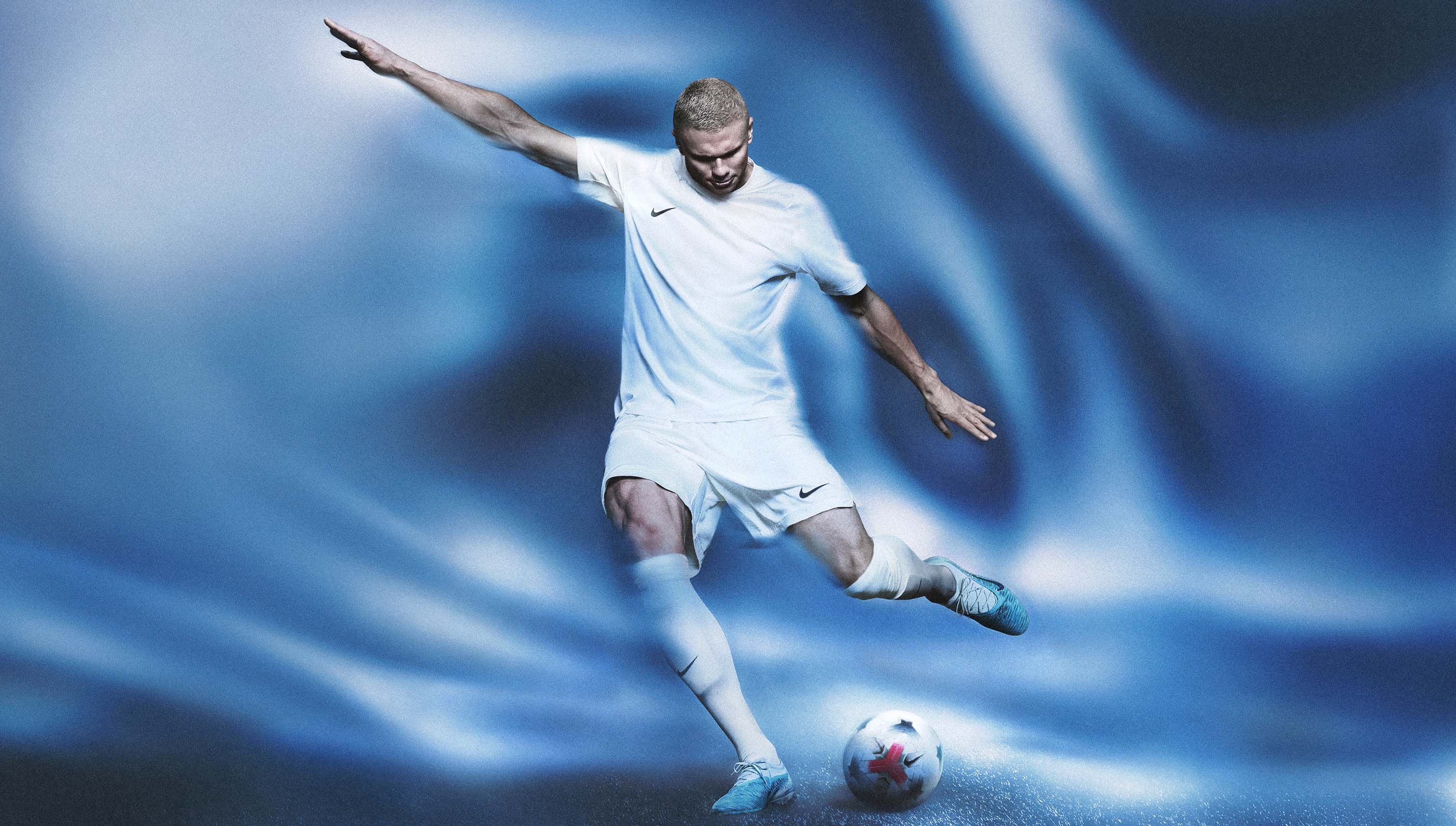
Clément Simon didn’t need a camera for his EA Sports FC 27 photos. EA Sports had asked him to work without one, so all his images were created using the game’s photo mode.
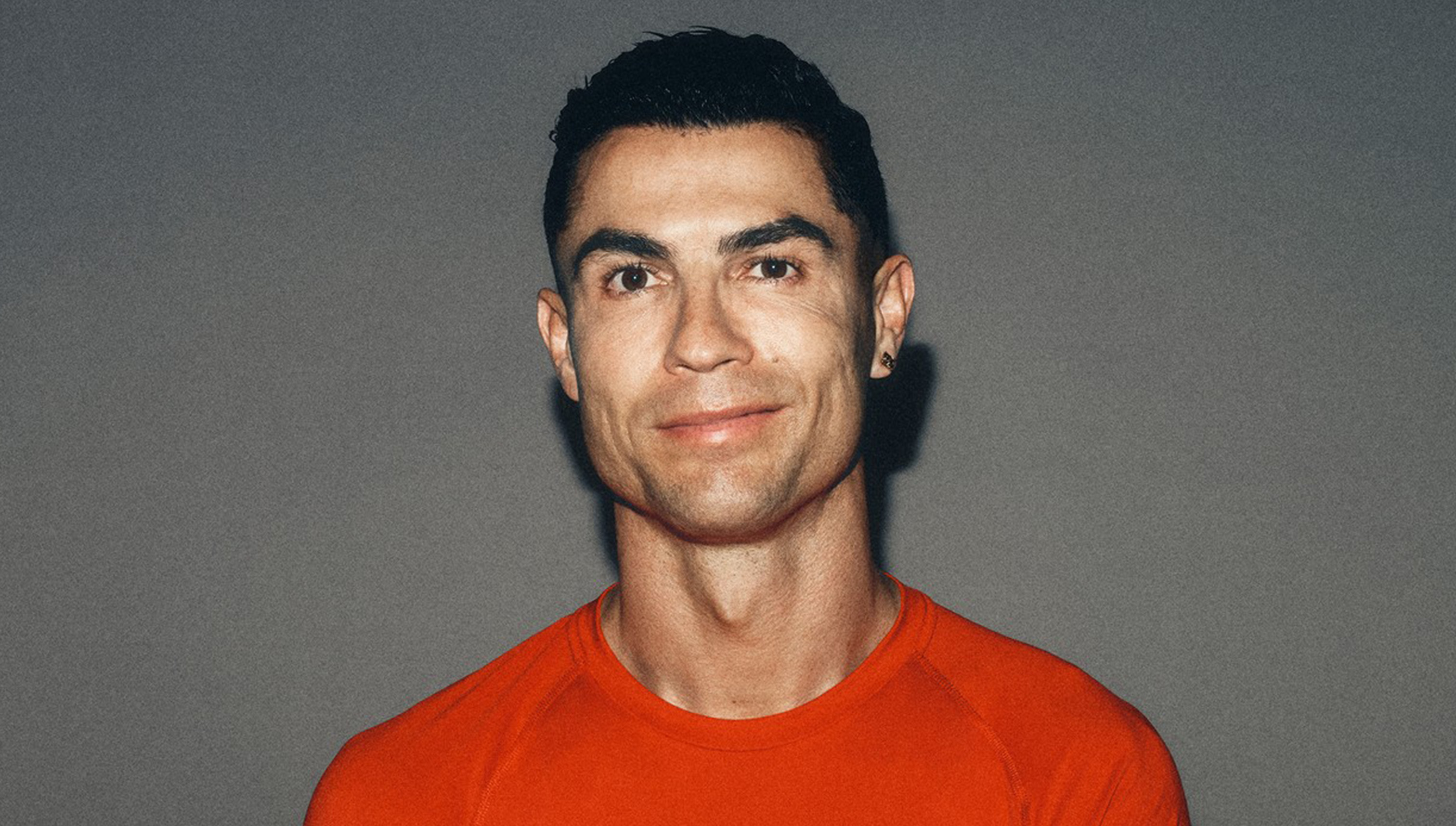
A few months earlier, Florence Pernet had found another way in. The Paris-based sports photographer watched the 2026 World Cup on television, photographed the broadcasts straight off the screen and shared the results on her Instagram account. When the images went viral, Portugal’s national team published a joint Instagram post with her featuring several of her pictures, including shots of Cristiano Ronaldo.
How Florence Pernet Shot the 2026 World Cup Off Her TV
Pernet zoomed in so close that the screen’s pixels became visible. She used slow shutter speeds to blur movement, then edited the colours heavily.
Before long, a story was doing the rounds that Pernet had been refused World Cup accreditation and was shooting off the TV as a result. By her own account, she had never applied. At the same time, many people assumed she was behind the TV images Michael Olise was posting on his Instagram account during the tournament.
Those pictures were in fact by Lukas Korschan, as Pernet herself made clear in her Instagram story. The German photographer took them on the same television on which he had watched the 1998 World Cup in France as a child.
Other photographers began pointing their cameras at the TV while the tournament was still going on. Blur and noise, usually treated as flaws in sports photography, became part of the look. Not everyone was convinced: online, people argued over whether it was acceptable simply to photograph someone else’s broadcast.
Florence Pernet and EA Sports FC 27: Shooting It Like a Real Match
Pernet had already taken photos inside FC 26 in 2025. The series, called FIFA until 2023, has been part of her life since she was six, she says. When EA Sports asked her to shoot FC 27 before its release, it felt like “a childhood dream coming true”. She wanted to approach the job “exactly like I would shoot a real game”, right down to editing every single shot.
At the World Cup she had photographed broadcasts of real matches. In FC 27 she was shooting scenes that exist nowhere outside the game.
Harry Gruyaert Was Photographing Sport Off the TV in 1972
Photographing the television is not a new idea: in the early 1970s, the Belgian photographer Harry Gruyaert was living in London with what he called “a crazy television set”. He played with the aerial and the controls until the picture flickered in unusual colours. For months he photographed news, TV series and adverts this way, and in 1972 the Olympic Games in Munich too. The images belong to his series TV Shots.
Gruyaert had no video recorder, so nothing could be paused or rewound. He shot live, sometimes with the camera close to the screen to find unfamiliar crops – work that reminded him of street photography. When the series was shown in Paris in 1974, it too caused controversy.
Korschan called his World Cup pictures for Olise a nod to TV Shots. Pernet named another inspiration: the photographer Matthew Johnson, who had photographed TV screens before her in his series Screen Time.
A good image, Gruyaert said of his work, is “a kind of small miracle that arises when you’re receptive and concentrated”. Pernet found such moments in front of her television and inside a video game, Korschan in front of the TV of his childhood, Simon in FC 27’s photo mode. What unites them is an eye for the right image, even in places where others only watch or play.
