







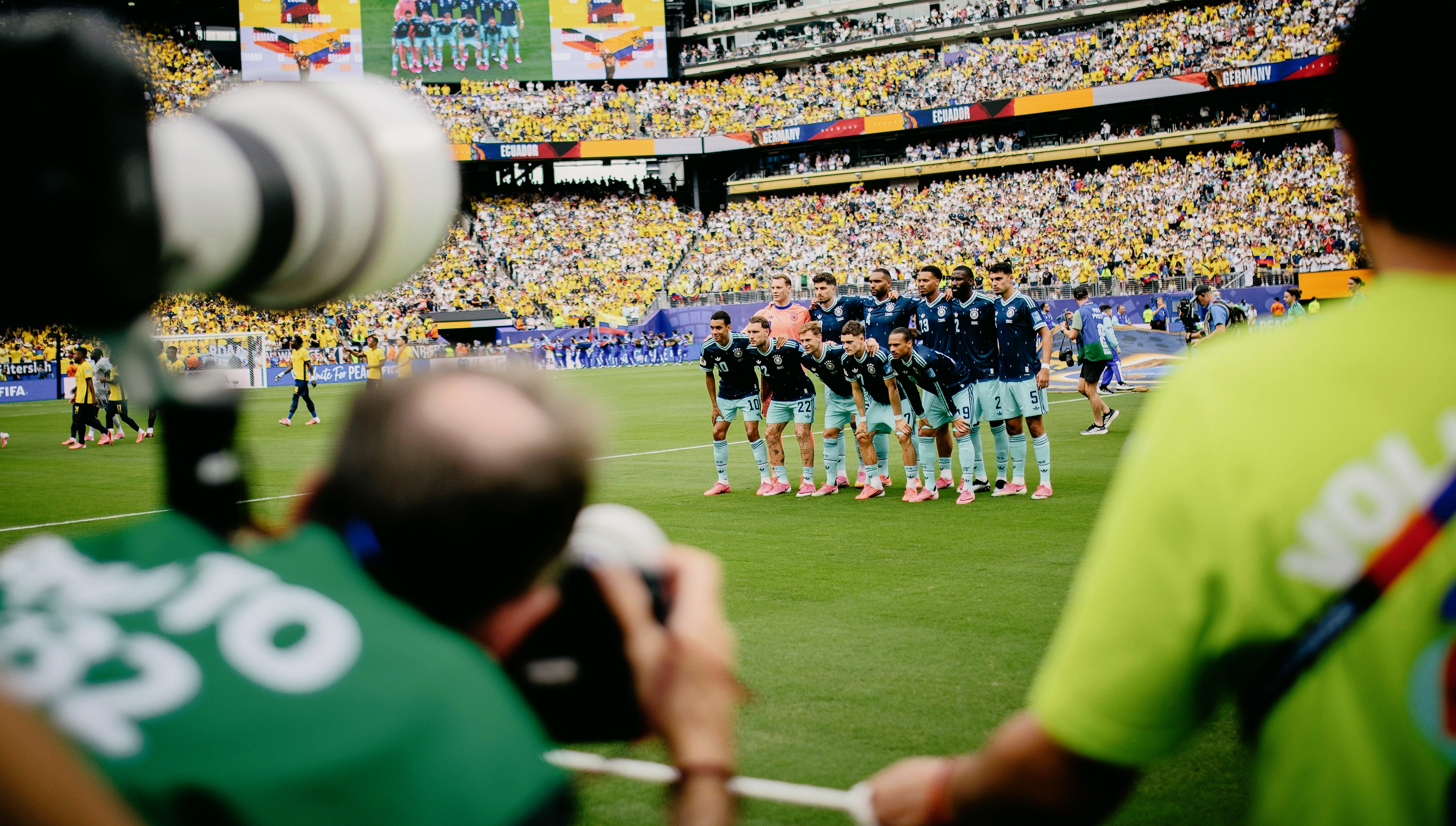

















Germany will face the Netherlands in the green 1990 away shirt once more. Green has accompanied the national team since the early 1950s. But why does Germany wear a colour that doesn't even appear on its flag?
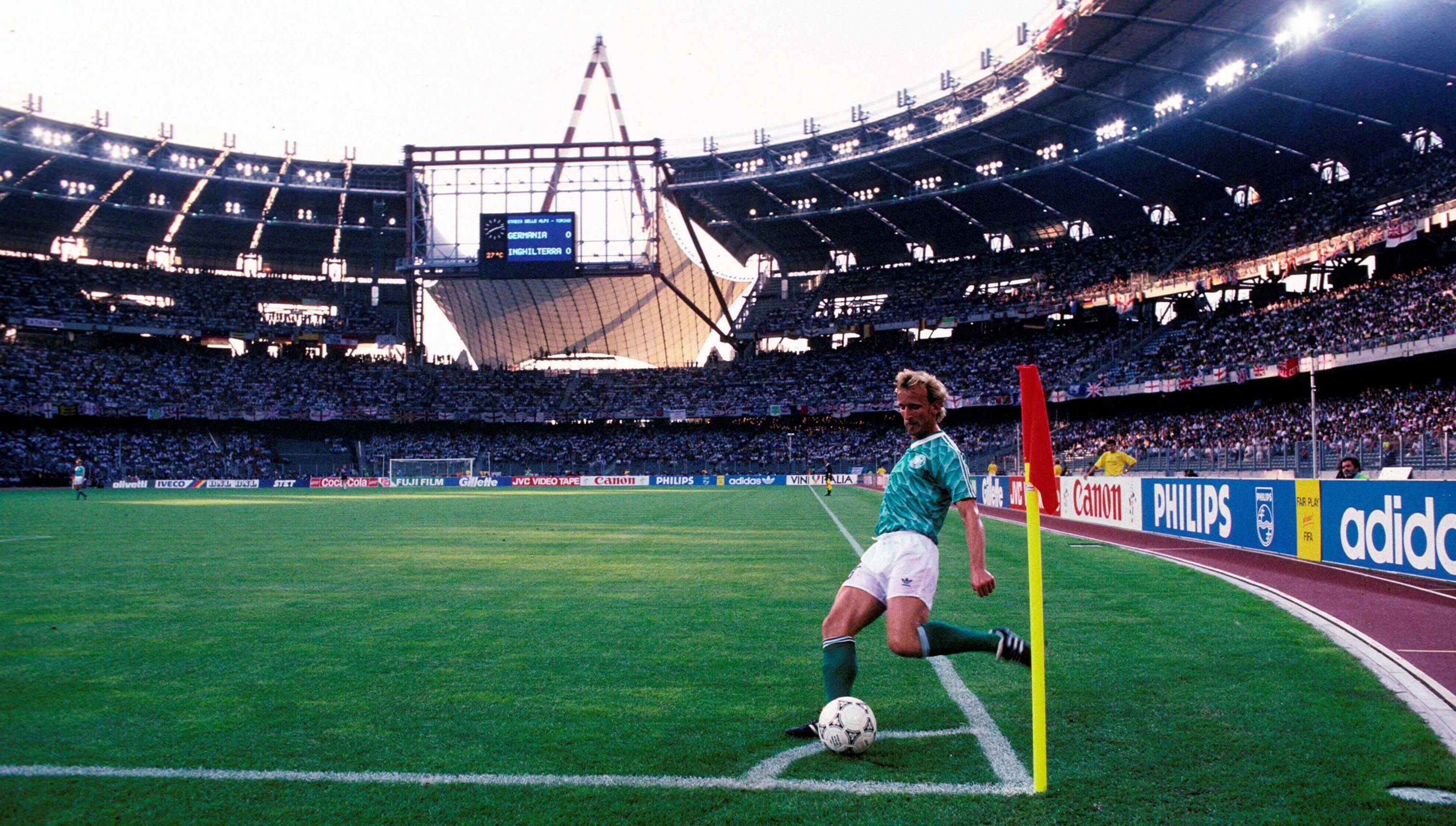
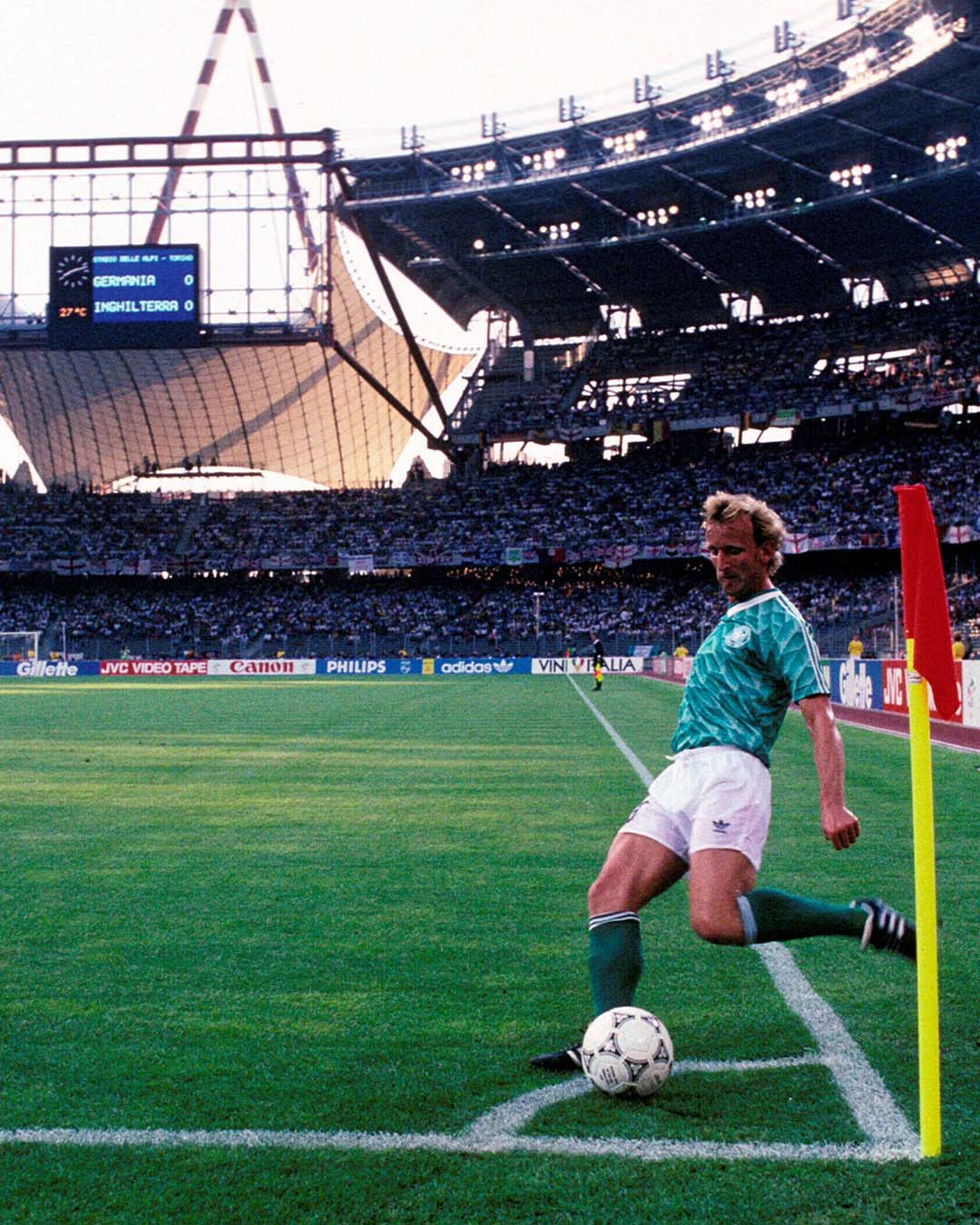
For the Nations League fixture against the Netherlands in Amsterdam on 24 September, Germany will line up in the green reissue of its 1990 World Cup away shirt. West Germany wore the original in that tournament's semi-final against England.
Green change shirts have a much longer history with the German national team. And a stubborn myth still surrounds their origin.
The debut in green ended in defeat
On 17 June 1951, West Germany played Turkey at Berlin's Olympiastadion. It was only the national team's third international since the Second World War – and its first in green. The shorts were green too. In front of 90,000 spectators, West Germany lost 2-1.
The combination was changed for the very next international, against Austria: West Germany now paired the green shirt with white shorts and won 2-0 in Vienna.
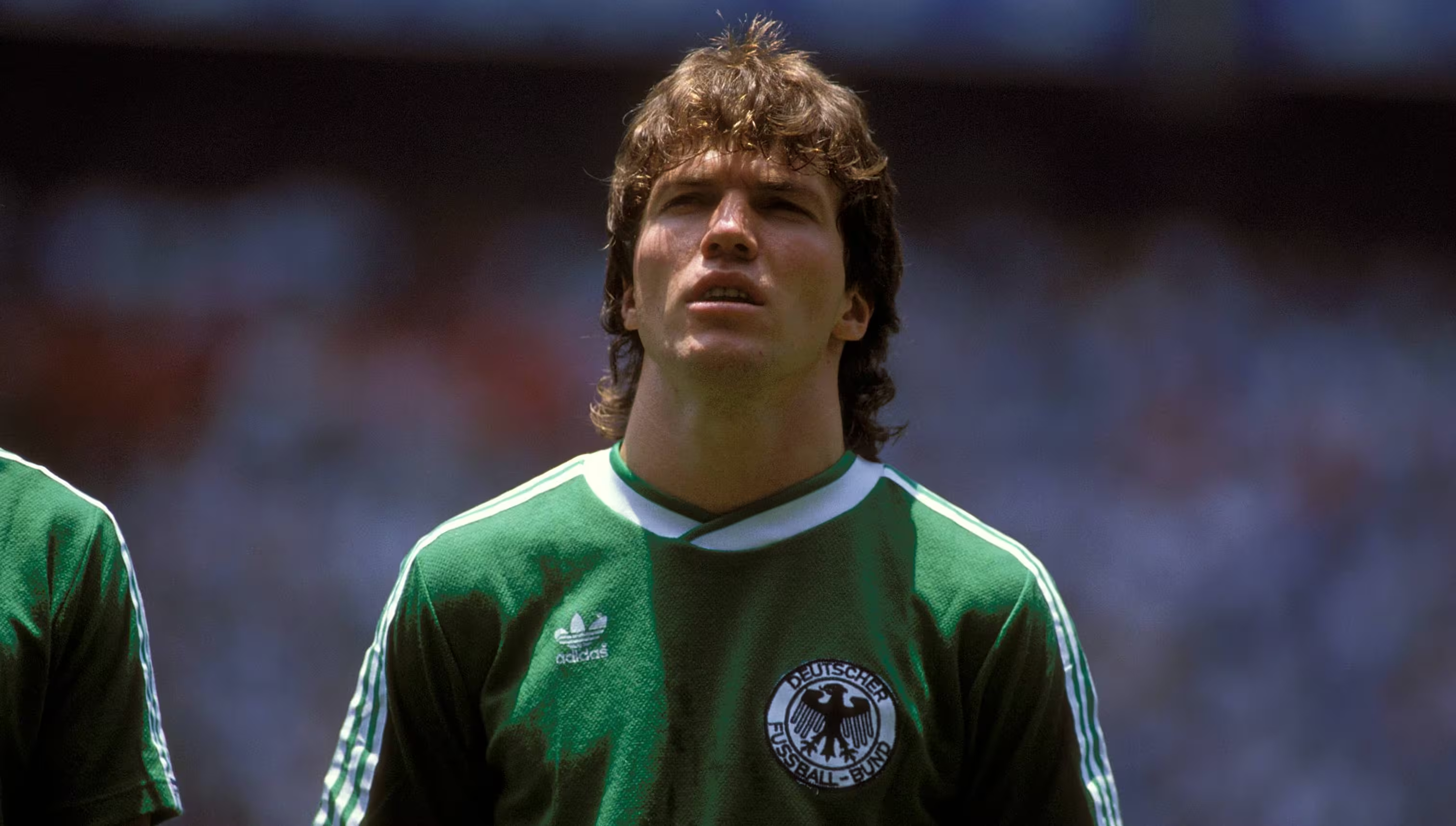
In the decades that followed, Germany wore the green away shirt in some of its most famous matches. At the 1954 World Cup, West Germany beat Austria 6-1 in the semi-final wearing green. In 1972 came the 3-1 win over England – West Germany's first victory at Wembley. Later that year, the team also wore the colour in the 2-1 European Championship semi-final win over Belgium. West Germany was in green again for the 1986 World Cup final against Argentina, but lost 3-2. And in 2018, Germany wore green for the 2-0 defeat to South Korea that brought its first ever group-stage exit at a World Cup.
Because of those early successes, the German Football Association (DFB) describes green retrospectively as a “lucky charm” in its own history of the national team's kits.
What does Ireland have to do with Germany's green shirt?
According to a widely told story, Germany chose the colour out of gratitude to Ireland. The Irish association, so the story goes, was one of the first willing to play Germany again after the Second World War, and the green shirt was introduced as a tribute to Ireland.
The dates, however, don't fit that story.
West Germany played its first post-war international on 22 November 1950, against Switzerland. On 17 June 1951, the national team wore green for the first time, against Turkey. The first post-war match against Ireland didn't take place until 17 October 1951, in Dublin.
Why the German Football Association settled on green in 1951 is not clearly documented. The letters in the DFB logo had been green since 1926. That is the basis of another explanation, which traces the green away shirt back to the association's own colours.
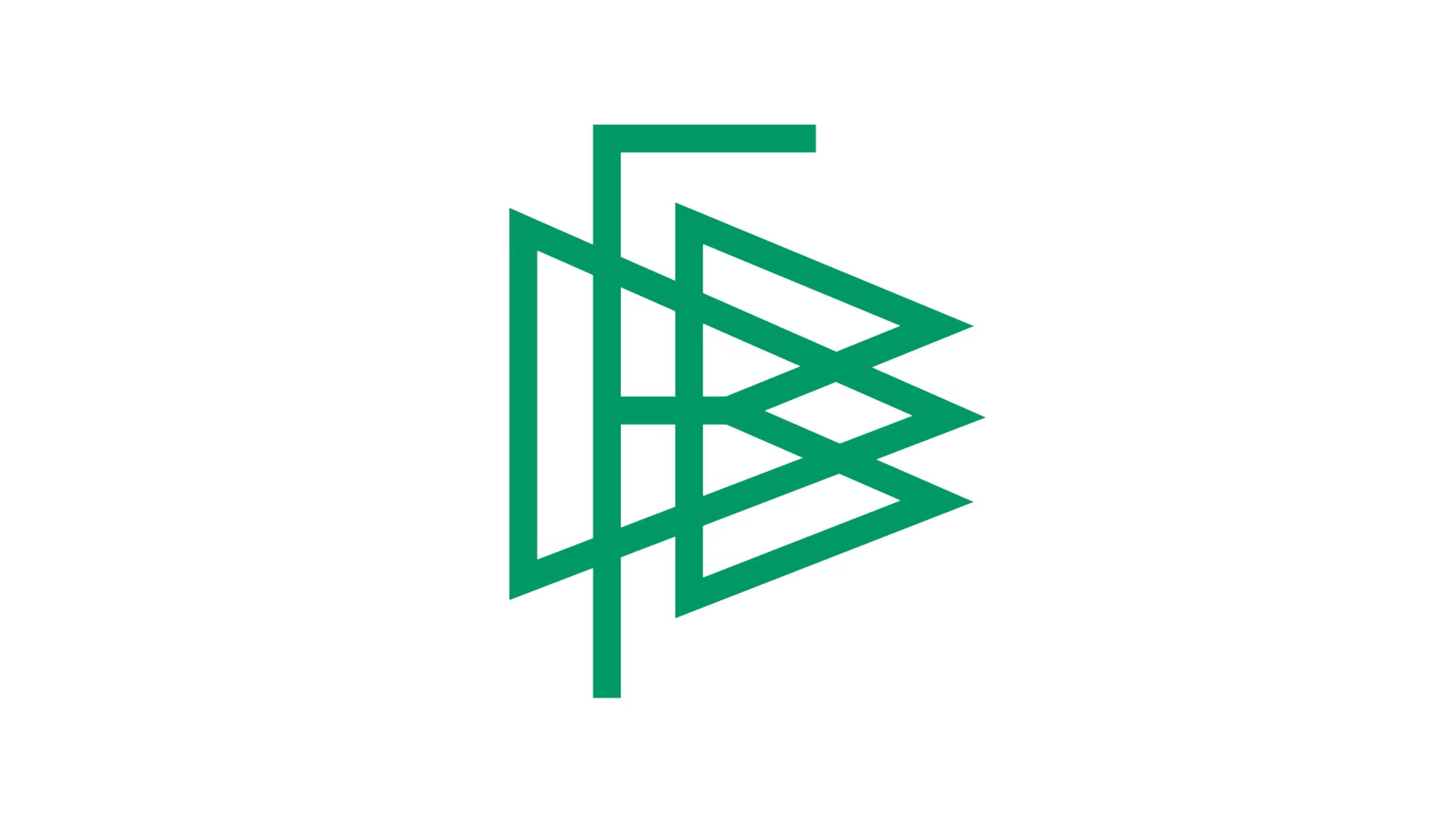
Whether that link was actually the reason for the choice remains open, but it appears plausible.
The green shirt of the 1990 World Cup
Almost four decades after that debut came one of the best-known green Germany shirts.
For the 1990 World Cup, adidas gave the green away shirt a geometric graphic in varying shades of green. West Germany wore it only once during the tournament: in the semi-final against England. Andreas Brehme put West Germany ahead, Gary Lineker equalised, and after 120 minutes it was 1-1. West Germany won the penalty shootout 4-3 and, four days later, beat Argentina to become world champions.
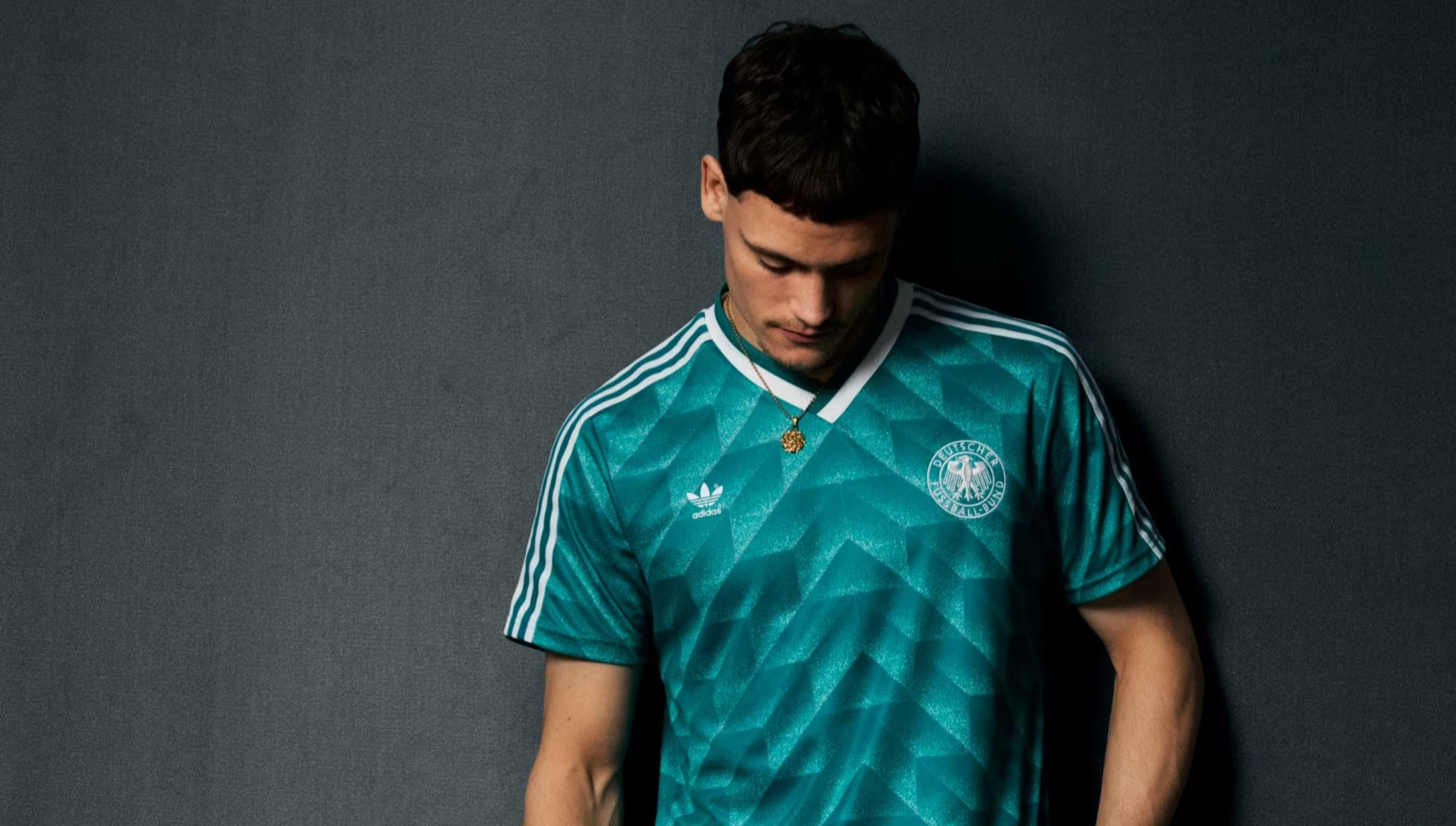
In 2026, adidas reissued the shirt as part of its Bringback Collection.
Will Germany stay in green under Nike?
The match in Amsterdam falls in the final months of the partnership between the German Football Association and adidas. The contract ends on 31 December 2026. From 1 January 2027, Nike will supply Germany's national teams.
According to Footy Headlines, the first Nike away shirt for the German men's national team in 2027 is set to come in a base colour called “Green Spark”, with black logos.
If the leak proves accurate, Germany would be returning to its long-standing change colour under Nike too.
