













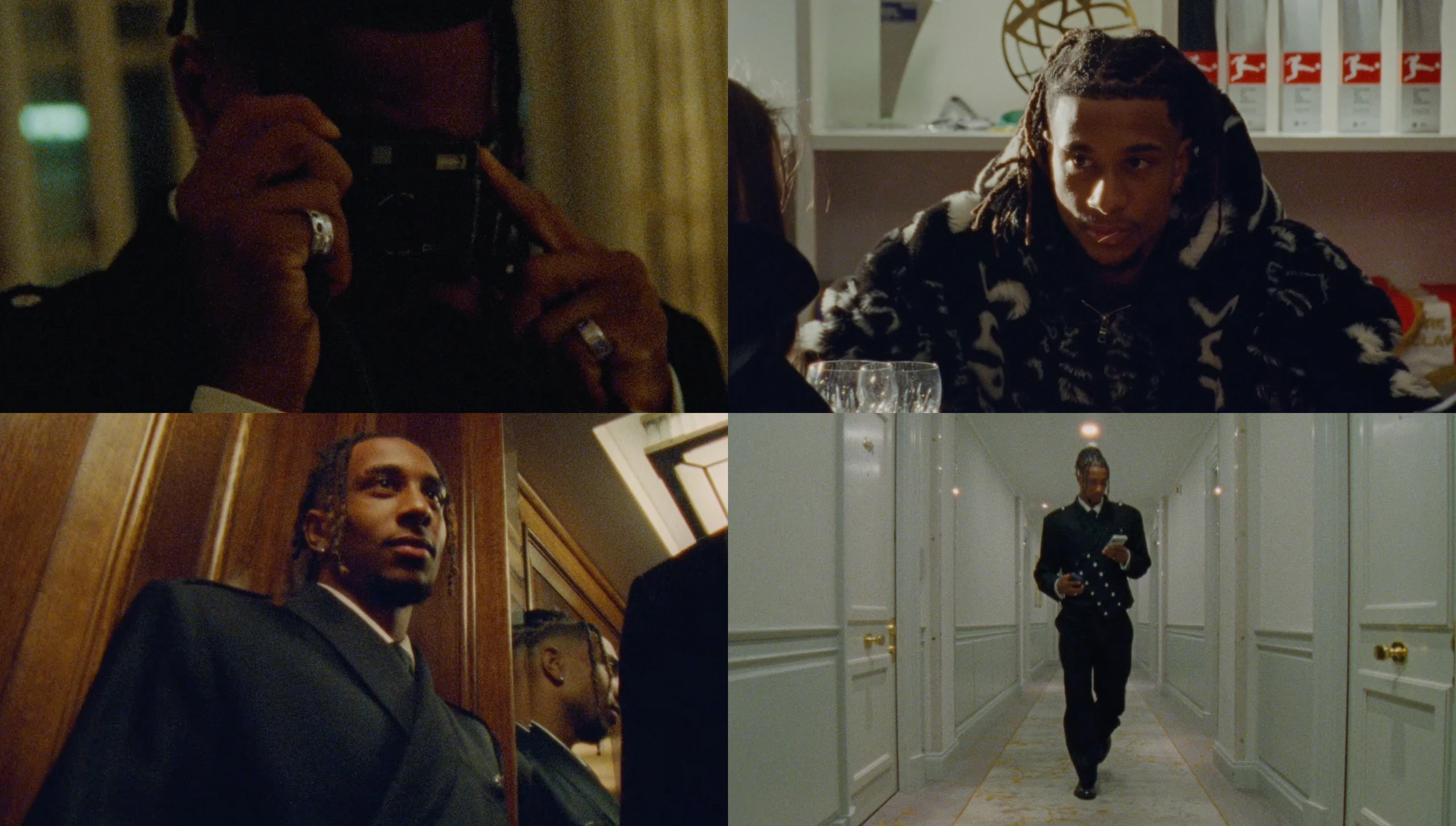
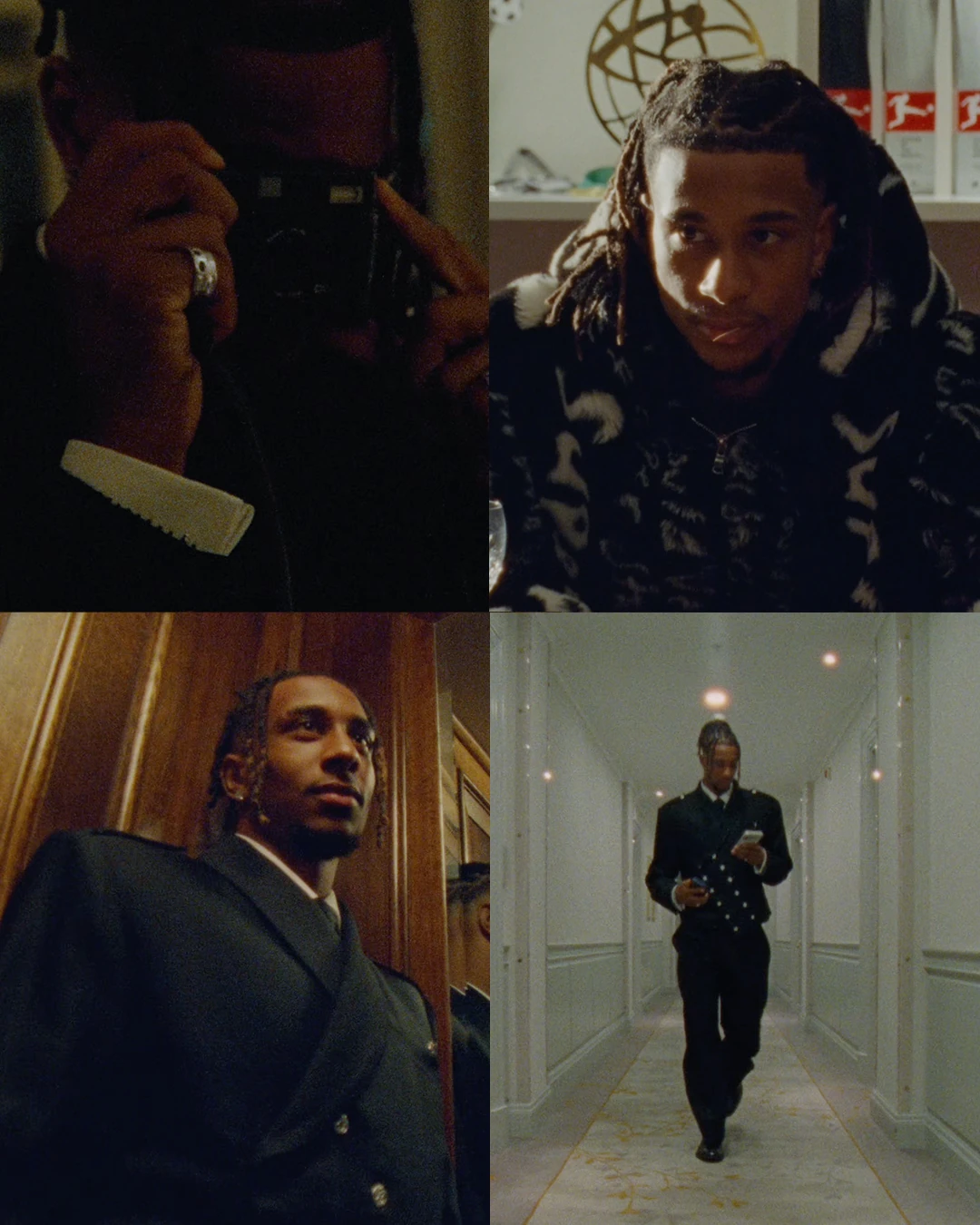







A pink outfit, a provocative goal celebration and a debate about humility: Lennart Karl is causing a stir at Bayern Munich off the pitch as well as on it. Uli Hoeneß has drawn comparisons with Michael Olise and Bastian Schweinsteiger. A case for footballers who are allowed to ruffle feathers.
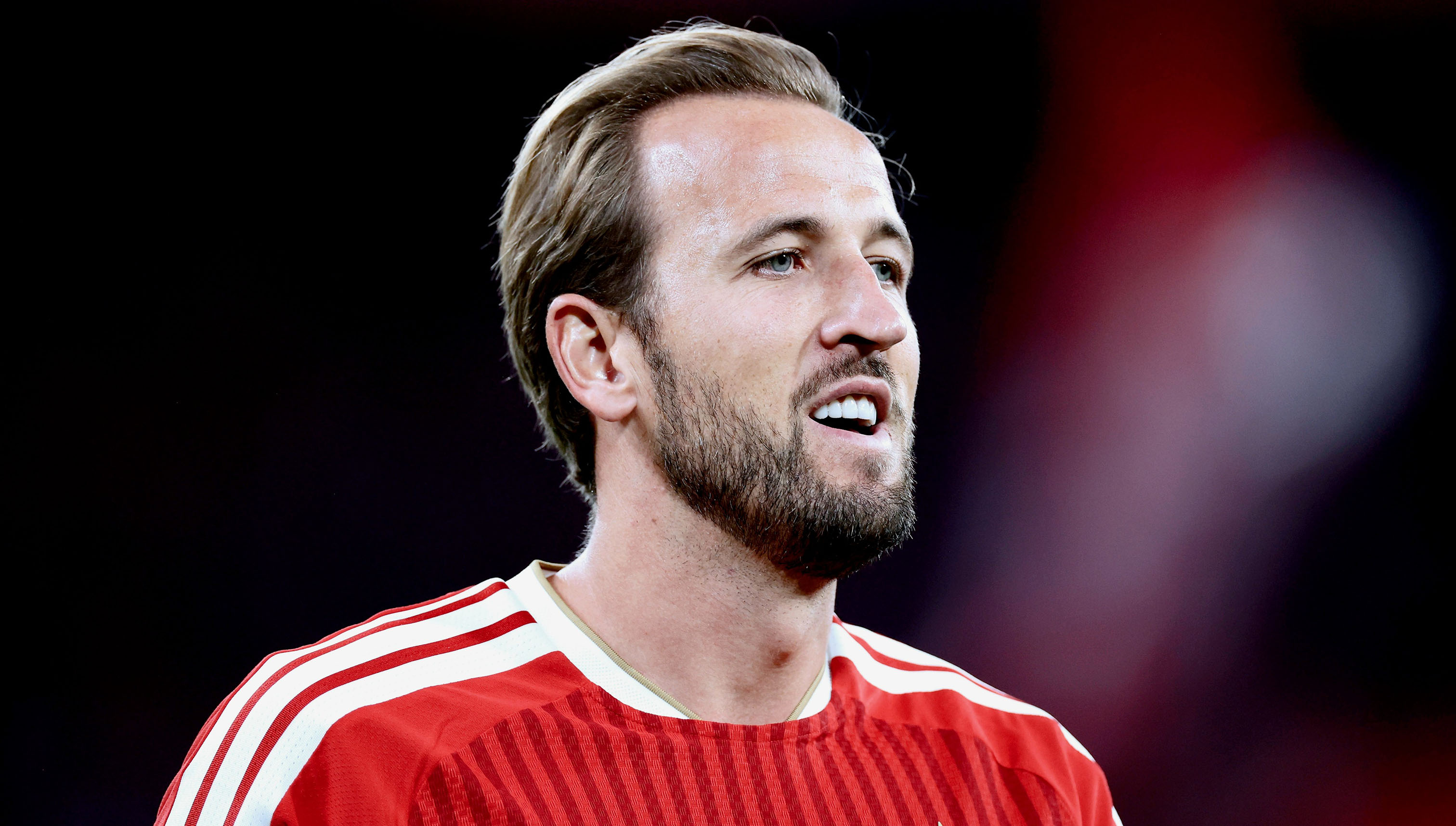
Lennart Karl wins the ball off Robin Le Normand and chips it over Atlético goalkeeper Jan Oblak. The 18-year-old has put Bayern Munich ahead, and after celebrating with his teammates he raises both hands beside his ears.

His fingers open and close like chattering mouths. Plenty of people read it as a message: keep talking.
[story-end]
Karl has not said whether he meant it as a reply to his critics. The celebration has got people talking all the same – and that is no bad thing. Football lives on goals, trophies and big nights, but also on personalities who stand out, start arguments and give the game something beyond their performances. Not everyone has to like a provocative celebration. But a sport in which everyone tried their hardest not to ruffle feathers would be a good deal duller.
Lennart Karl, Michael Olise and the Question of Humility
Over the past few months, Karl has learnt how closely the way he presents himself is watched. In January he spoke publicly about his dream of one day playing for Real Madrid, then apologised for it. In April, injured, he watched Bayern’s Champions League quarter-final against Real from the stands.

After the 4-3 win he celebrated with his teammates, dressed head to toe in pink.
[story-end]
Uli Hoeneß was not impressed. In May, the honorary president criticised Karl’s public image on DAZN, insisting that the young player needed to win people over on the pitch above all. When it was pointed out that Michael Olise is also known for his eye-catching clothes, Hoeneß replied: “Yes, but he’s already a world star, so he’s allowed to.”
It is a revealing yardstick. Olise is established at Bayern; Karl is only at the start of his career. Nobody disputes that the two are at different stages as footballers. But why should that decide what they are allowed to wear?

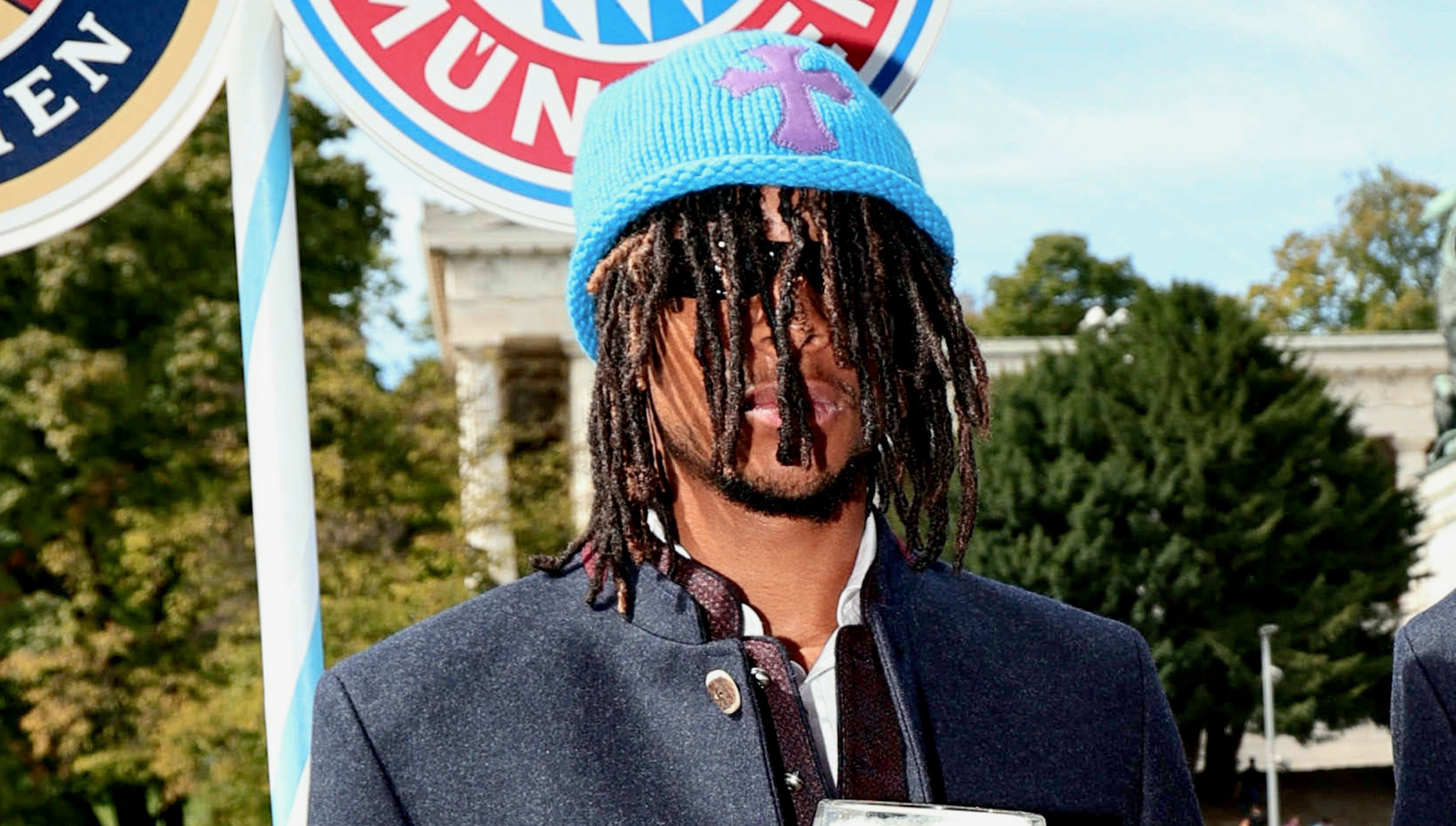
At Oktoberfest, Olise paired a light-blue Chrome Hearts beanie with lederhosen and a traditional Janker jacket.
[story-end]
Karl wore pink. In their own ways, both show that footballers can have a style of their own away from the pitch.
In October, Hoeneß told Welt am Sonntag that Karl needed to show more humility. That is a fair demand when it comes to how a player treats his teammates, how he develops or whether he can take criticism. But humility cannot be read from the colour of an outfit. Nor should individuality be a privilege that a footballer first has to earn through success on the pitch.
Bastian Schweinsteiger Has Been Here Before
Ironically, it was Hoeneß himself who pointed out that Bayern have been through this before.

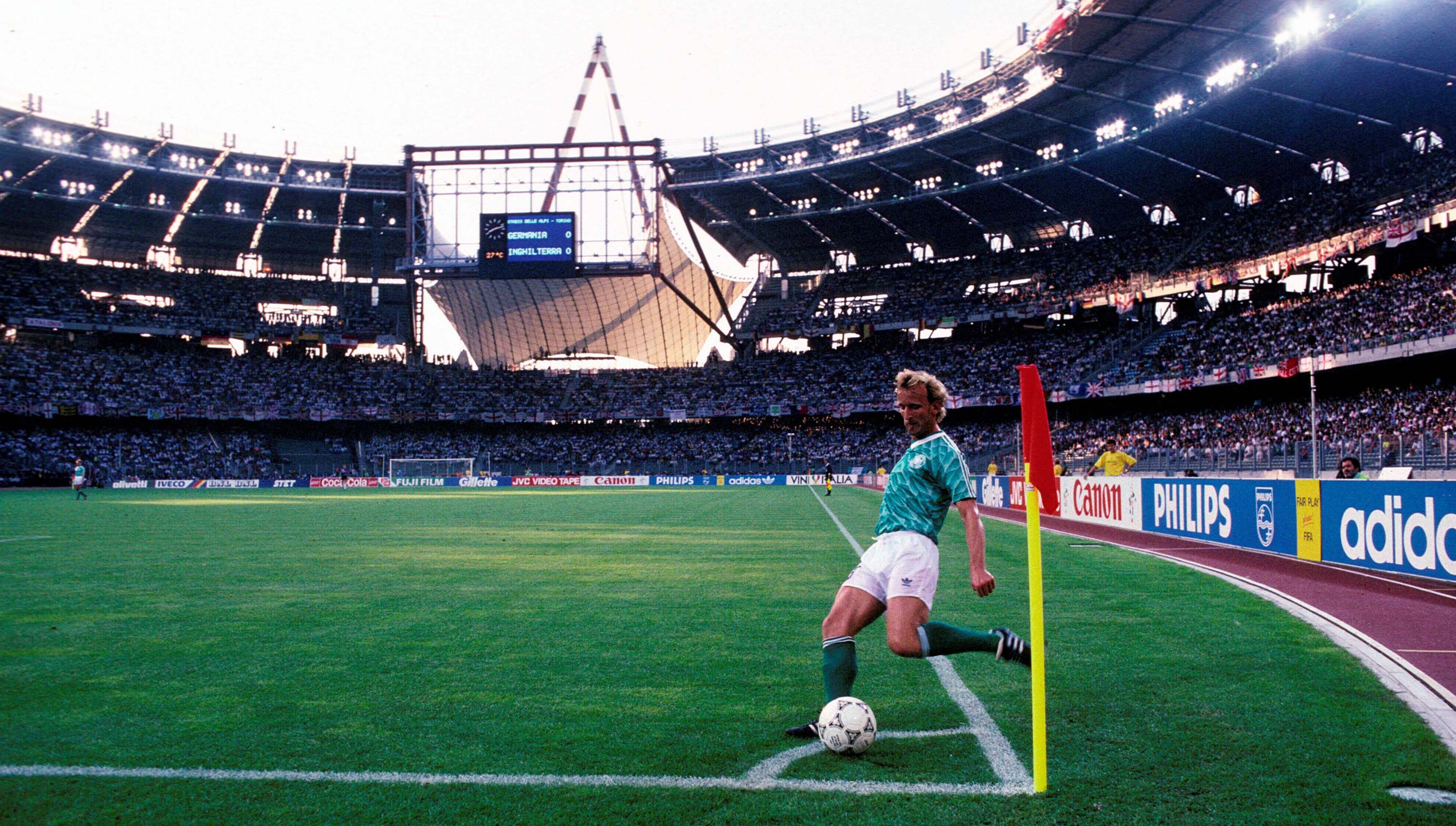
Talking about Karl, he brought up Bastian Schweinsteiger, who painted his fingernails black in 2007. As Hoeneß tells it now, he and Franz Beckenbauer stepped in at the time.
[story-end:#000000]
Schweinsteiger was 23 at the time and had silver hair. In September 2007 he told Welt Online that the nail polish was the result of a bet. “What matters much more to me is that people judge my performances on the pitch rather than worrying about how my hair looks.”
Everyone, he argued, should be free to decide how they dress, what they spend their money on and what car they drive. Hoeneß, he said, had already taken exception to an earlier hairstyle: a mohawk. Today Schweinsteiger is remembered above all as the World Cup winner who played on in the 2014 final despite a cut to his face. But his eye-catching style was part of his personality too – and made him unmistakable as a young footballer.
Almost 20 years on, another young Bayern player finds himself at the centre of a debate about how he presents himself. Even the car is back: if Karl were to drive a flashy car after proving himself on the pitch, that would be “a different matter”, Hoeneß told DAZN, “but you don’t have to do that at 18”. The circumstances are not identical. But the question has barely changed: how much freedom does a footballer get before his appearance or behaviour is declared a problem?
Lennart Karl’s Celebration: Why Football Needs Players Like Him
Of course Karl can be criticised. Mats Hummels, working as a pundit for Amazon Prime Video, took issue with the celebration and pointed to the example it sets for children. That is a reasonable debate. A provocative celebration is, after all, something different from a pink outfit.
But there is a crucial difference between criticising a specific gesture and expecting a young footballer to stand out as little as possible.
Karl’s celebration lasted only a few seconds. Even so, people are arguing about what he meant by it and whether it was appropriate. The goal gains an extra story. Fans can enjoy it, be irritated by it or argue about it.
Karl will make mistakes, face criticism and have to keep developing as a player. That is no reason for him to put his personality on hold.
His goal against Atlético does not automatically make the celebration right. Nor would his pink outfit have been wrong had he never scored another goal.
Football does not need players who provoke at any cost. But it does need players who are allowed to stand out without first having to earn world-star status.