



When a Shirt Sponsor Has to Disappear

IMAGO / Gribaudi/ImagePhoto

Shirt sponsors have long been part of the familiar look of a football kit. Yet their branding occasionally disappears from the front, sometimes for a single match, sometimes for much longer. What is behind it?

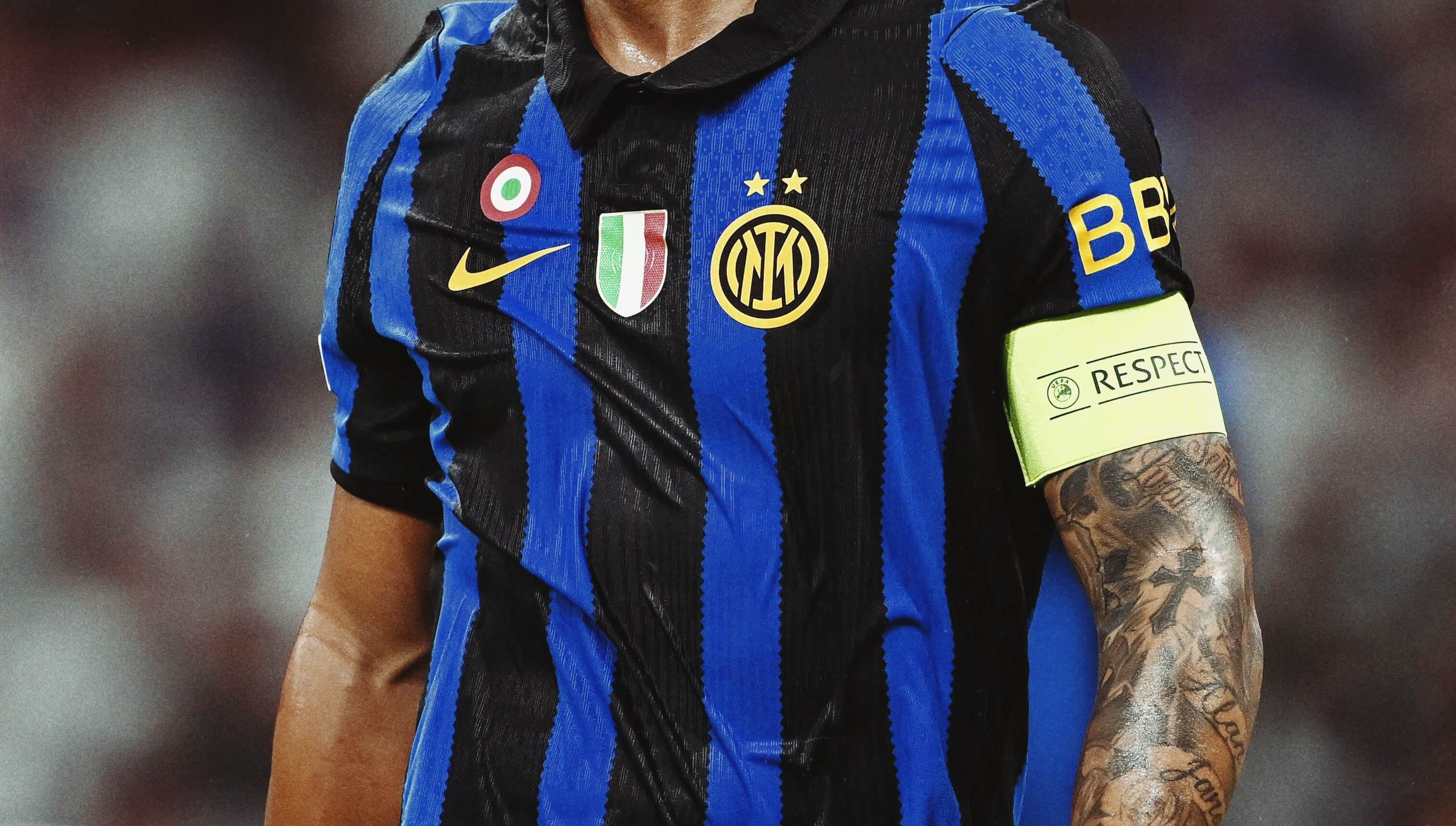
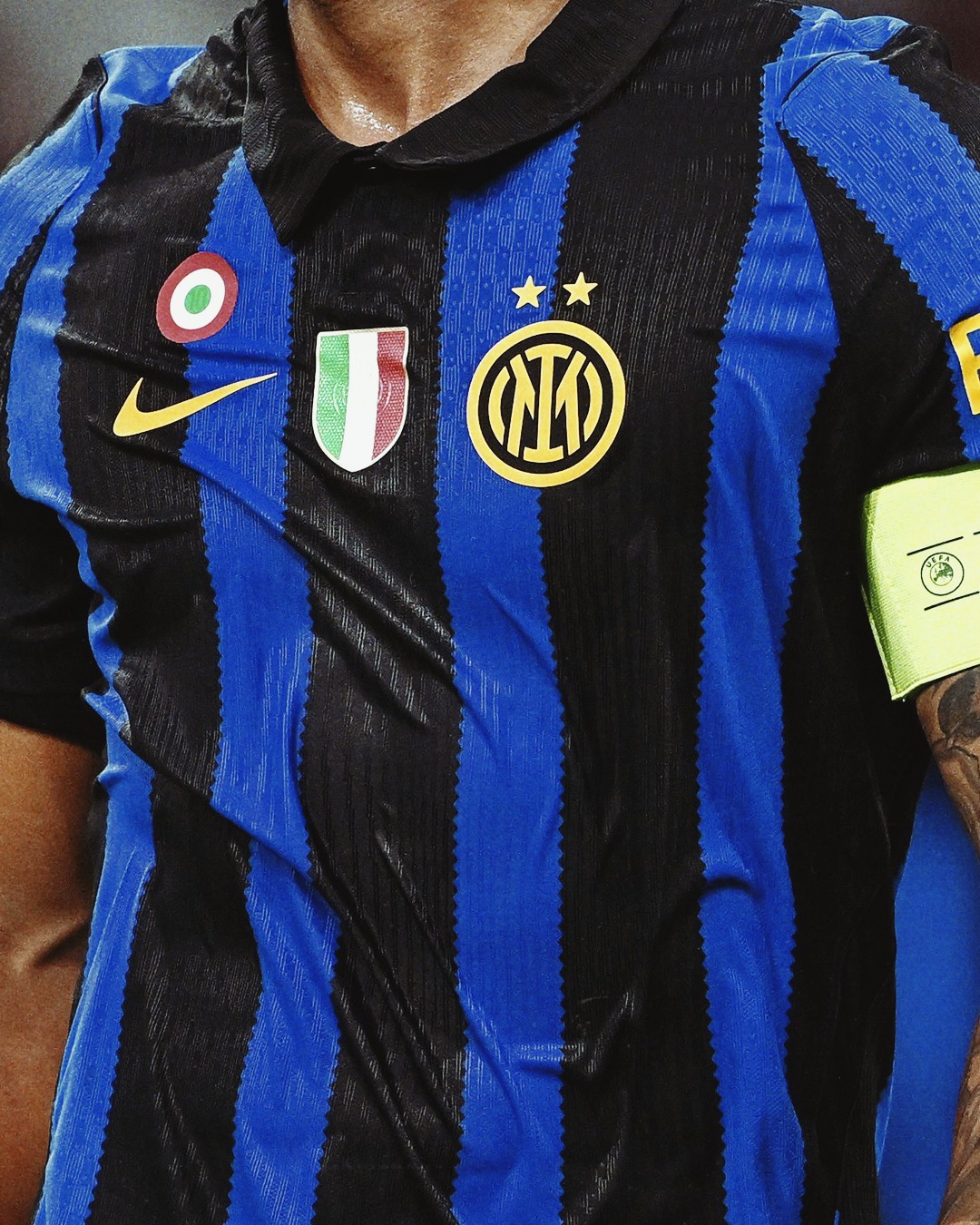
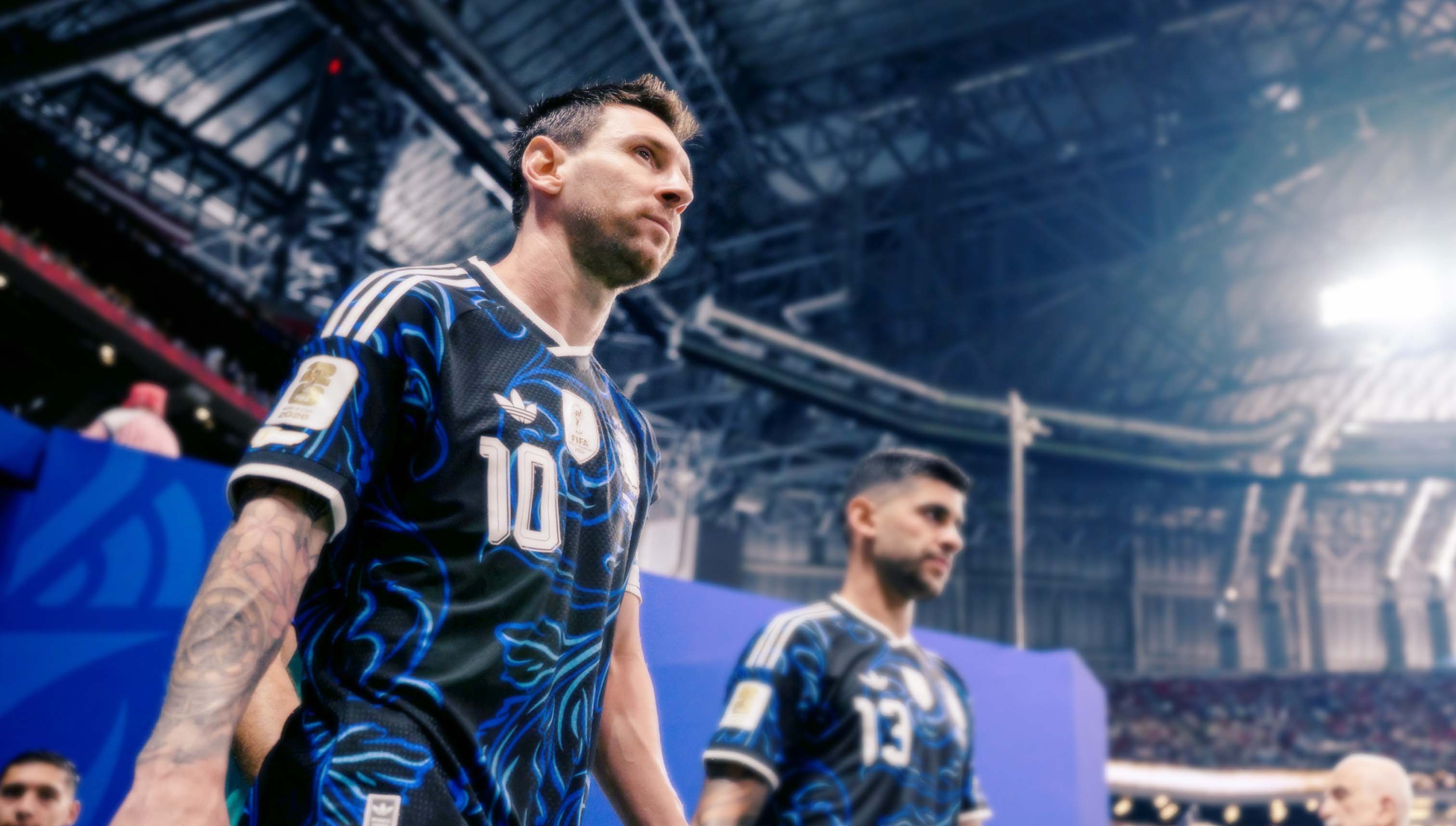
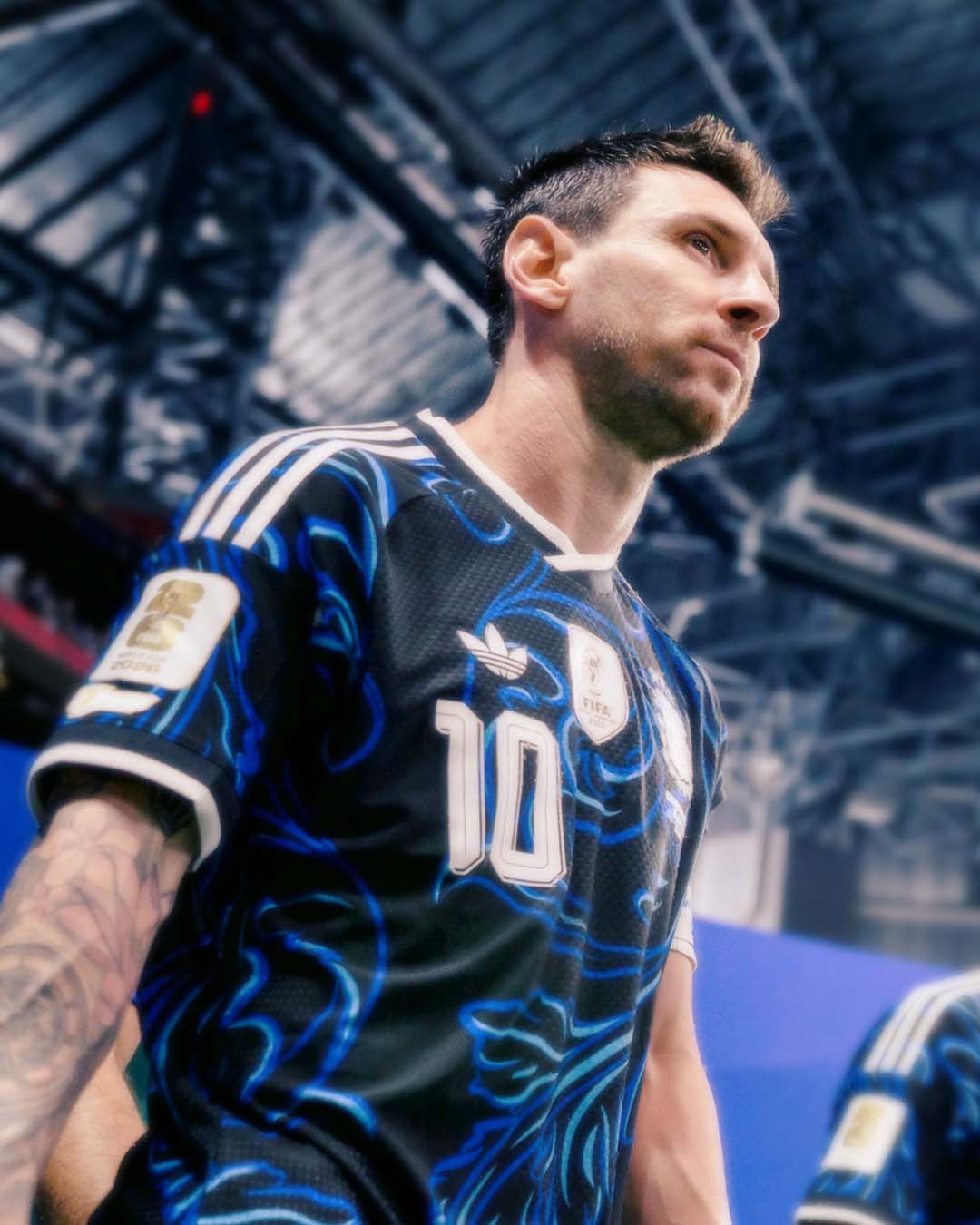
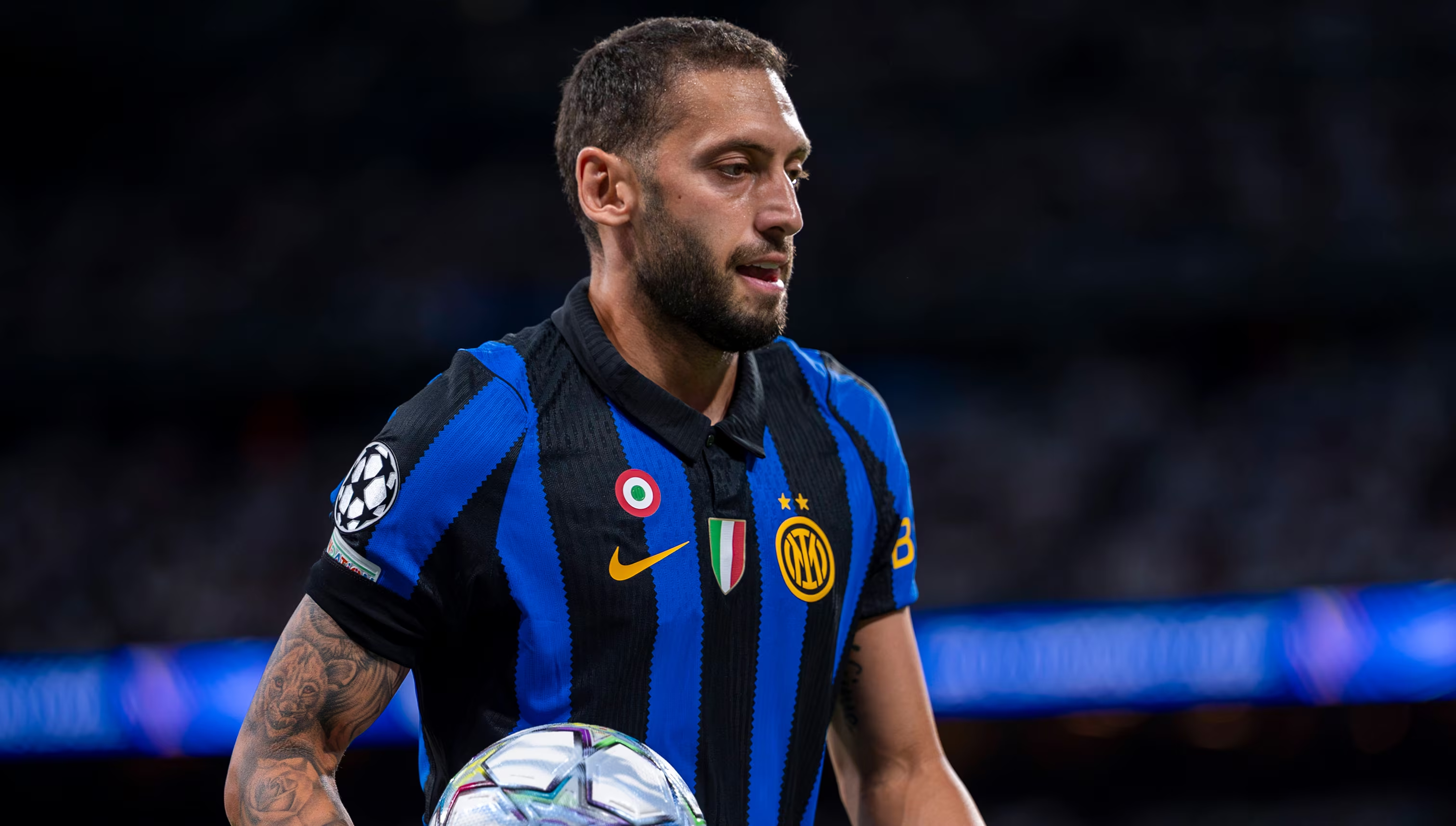
Inter Milan's blue-and-black home shirt has carried Betsson.Sport as its main sponsor since 2024. During their Champions League trip to Real Madrid at the Santiago Bernabéu, Betsson.Sport's branding was nowhere to be seen.

Fans watching that night saw a different version of the familiar Inter shirt. The reason came down to Spanish advertising law.

Why Did Inter Milan Play Real Madrid Without a Sponsor?

Spain's Royal Decree 958/2020 regulates commercial communications by gambling operators. Article 12.4 bans their sponsorship on shirts and other sports equipment. That's why Betsson.Sport wasn't allowed to appear on Inter's chest for the match in Madrid.
Inter played against Real Madrid in the Champions League without a sponsor on their shirt. © IMAGO / Alberto Gardin

UEFA competitions are no exception here. National advertising restrictions still apply wherever a match is played, which means an international sponsorship deal is no guarantee a brand will show up on the shirt at every European away game.

FC Copenhagen ran into the same rule during the 2025/26 Champions League season. Unibet, the Danish club's main partner, couldn't appear on the shirt for away games against Villarreal and Barcelona because of Spain's rules on gambling sponsors. Unibet handed the space to the Danish Red Cross instead, and Copenhagen played both matches with the aid organisation's emblem on their chest.

Why Betting Companies Get Hit So Often

Gambling firms are shirt sponsors for professional clubs across several European leagues, while individual countries have tightened their own restrictions on gambling advertising. That mismatch means the same sponsorship deal can be valid in a club's home market and restricted elsewhere, depending on where the match is played.

Leagues themselves have started stepping in too. Premier League clubs collectively agreed to stop carrying gambling companies as front-of-shirt sponsors once the 2025/26 season ended, with the agreement taking effect from 2026/27 onward.

Beer Brands Used to Disappear From Shirts

The problem predates today's heavy presence of betting sponsors in football.

Liverpool wore Carlsberg on their shirts from 1992 to 2010, an 18-year partnership that spanned the League Cup, FA Cup and UEFA Cup treble of 2001 and the Champions League triumph of 2005. In countries with tougher rules on alcohol advertising, though, Carlsberg couldn't appear at every European away fixture. Liverpool travelled to Strasbourg for a UEFA Cup tie in October 1997 without the branding on their shirts, a result of France's Loi Évin, which restricts advertising and sponsorship for alcoholic drinks.

UEFA sets its own limits too. Its equipment regulations ban advertising for tobacco and for alcoholic drinks above 15% ABV, and if national law sets a lower threshold, that stricter rule applies instead.

A Blank Chest Can Have Other Causes

Legal restrictions only explain part of football's sponsorless shirts.

Chelsea have started more than one recent season without a front-of-shirt sponsor while still negotiating a new partnership deal.

Trouble within an existing partnership can show up on the shirt too. Inter lived through that in 2023 with DigitalBits: after promised payments failed to materialise, the DigitalBits branding disappeared from the chest partway through the 2022/23 season. Inter played several matches with no main sponsor at all before Paramount+ stepped in for the club's final two matches of the season, including the Champions League final against Manchester City.

Shirt Sponsorship Wasn't Always a Given

Shirt sponsorship took time to become the norm in football at all. Liverpool signed their first shirt sponsorship deal, with Hitachi, in the summer of 1979.

FC Barcelona held out considerably longer. In September 2006, UEFA itself noted that Barça had never carried a shirt sponsor across its 107-year history. Later that year, the club reached an agreement with UNICEF, giving the aid organisation the space on the shirt and backing it with additional funding of its own.

Within just a few decades, the front of the shirt had become one of the most valuable pieces of advertising space in professional football.

When Sponsors Became Part of the Shirt Itself

Long-running partnerships have shaped how certain shirts are remembered. Pirelli was tied to Inter for years, Carlsberg to Liverpool from 1992 to 2010, and Sharp to an entire era at Manchester United.

Their branding still appears in old team photos, in famous match moments, and on retro shirts today, keeping the memory of certain teams and seasons alive.

When the usual advertising is missing, the shirt itself looks different. On the Inter shirt in the Bernabéu, the blue-and-black stripes ran uninterrupted across the chest, with no Betsson.Sport branding breaking them up.

Sponsorless shirts used to be the norm in football. Today, they're rare enough to stand out immediately.


About the author
Adrian Kühnel
Founder and Publisher
Read all articles
Inter Mailand lief in der Champions League gegen Real Madrid ohne Sponsor auf dem Trikot auf.Inter Mailand lief in der Champions League gegen Real Madrid ohne Sponsor auf dem Trikot auf.
IMAGO / Gribaudi/ImagePhoto
News

When a Shirt Sponsor Has to Disappear

September 9, 2026

Shirt sponsors have long been part of the familiar look of a football kit. Yet their branding occasionally disappears from the front, sometimes for a single match, sometimes for much longer. What is behind it?

Inter Milan's blue-and-black home shirt has carried Betsson.Sport as its main sponsor since 2024. During their Champions League trip to Real Madrid at the Santiago Bernabéu, Betsson.Sport's branding was nowhere to be seen.

Fans watching that night saw a different version of the familiar Inter shirt. The reason came down to Spanish advertising law.

Why Did Inter Milan Play Real Madrid Without a Sponsor?

Spain's Royal Decree 958/2020 regulates commercial communications by gambling operators. Article 12.4 bans their sponsorship on shirts and other sports equipment. That's why Betsson.Sport wasn't allowed to appear on Inter's chest for the match in Madrid.

Inter played against Real Madrid in the Champions League without a sponsor on their shirt. © IMAGO / Alberto Gardin

UEFA competitions are no exception here. National advertising restrictions still apply wherever a match is played, which means an international sponsorship deal is no guarantee a brand will show up on the shirt at every European away game.

FC Copenhagen ran into the same rule during the 2025/26 Champions League season. Unibet, the Danish club's main partner, couldn't appear on the shirt for away games against Villarreal and Barcelona because of Spain's rules on gambling sponsors. Unibet handed the space to the Danish Red Cross instead, and Copenhagen played both matches with the aid organisation's emblem on their chest.

Why Betting Companies Get Hit So Often

Gambling firms are shirt sponsors for professional clubs across several European leagues, while individual countries have tightened their own restrictions on gambling advertising. That mismatch means the same sponsorship deal can be valid in a club's home market and restricted elsewhere, depending on where the match is played.

Leagues themselves have started stepping in too. Premier League clubs collectively agreed to stop carrying gambling companies as front-of-shirt sponsors once the 2025/26 season ended, with the agreement taking effect from 2026/27 onward.

Beer Brands Used to Disappear From Shirts

The problem predates today's heavy presence of betting sponsors in football.

Liverpool wore Carlsberg on their shirts from 1992 to 2010, an 18-year partnership that spanned the League Cup, FA Cup and UEFA Cup treble of 2001 and the Champions League triumph of 2005. In countries with tougher rules on alcohol advertising, though, Carlsberg couldn't appear at every European away fixture. Liverpool travelled to Strasbourg for a UEFA Cup tie in October 1997 without the branding on their shirts, a result of France's Loi Évin, which restricts advertising and sponsorship for alcoholic drinks.

UEFA sets its own limits too. Its equipment regulations ban advertising for tobacco and for alcoholic drinks above 15% ABV, and if national law sets a lower threshold, that stricter rule applies instead.

A Blank Chest Can Have Other Causes

Legal restrictions only explain part of football's sponsorless shirts.

Chelsea have started more than one recent season without a front-of-shirt sponsor while still negotiating a new partnership deal.

Trouble within an existing partnership can show up on the shirt too. Inter lived through that in 2023 with DigitalBits: after promised payments failed to materialise, the DigitalBits branding disappeared from the chest partway through the 2022/23 season. Inter played several matches with no main sponsor at all before Paramount+ stepped in for the club's final two matches of the season, including the Champions League final against Manchester City.

Shirt Sponsorship Wasn't Always a Given

Shirt sponsorship took time to become the norm in football at all. Liverpool signed their first shirt sponsorship deal, with Hitachi, in the summer of 1979.

FC Barcelona held out considerably longer. In September 2006, UEFA itself noted that Barça had never carried a shirt sponsor across its 107-year history. Later that year, the club reached an agreement with UNICEF, giving the aid organisation the space on the shirt and backing it with additional funding of its own.

Within just a few decades, the front of the shirt had become one of the most valuable pieces of advertising space in professional football.

When Sponsors Became Part of the Shirt Itself

Long-running partnerships have shaped how certain shirts are remembered. Pirelli was tied to Inter for years, Carlsberg to Liverpool from 1992 to 2010, and Sharp to an entire era at Manchester United.

Their branding still appears in old team photos, in famous match moments, and on retro shirts today, keeping the memory of certain teams and seasons alive.

When the usual advertising is missing, the shirt itself looks different. On the Inter shirt in the Bernabéu, the blue-and-black stripes ran uninterrupted across the chest, with no Betsson.Sport branding breaking them up.

Sponsorless shirts used to be the norm in football. Today, they're rare enough to stand out immediately.
Über den Autor
Adrian Kühnel
Founder and Publisher
Lese alle Artikel