




















Since 1956, the Ballon d’Or has honoured the outstanding footballers of their era. Five Germans appear on its list of winners, from goalscorer to libero. Two of them won it twice.
Germany’s most recent Ballon d’Or winner played for Borussia Dortmund. When Matthias Sammer received the award in 1996, he had just won the European Championship with Germany. Before him, the players who had brought the award to Germany came mostly from Bayern Munich.
In total, five German footballers have won the Ballon d’Or, which France Football magazine has presented since 1956. With Franz Beckenbauer and Karl-Heinz Rummenigge each winning it twice, that makes seven German victories in the history of the award.
Matthias Sammer – 1996
Matthias Sammer remains the most recent German footballer to win the Ballon d’Or. Then a Borussia Dortmund player, he beat Brazil’s Ronaldo by 144 points to 143 in 1996. That a Brazilian could be in contention at all was down to a rule change: since 1995, players of other nationalities had also been eligible, provided they were under contract with a European club. The decisive factor for Sammer was a year in which he enjoyed success with both club and country.

With Dortmund, he won a second consecutive Bundesliga title in 1996. Part of his importance to the team lay in his role on the pitch: under coach Ottmar Hitzfeld, Sammer had moved from midfield to libero. From there, he organised the defence while also helping to build play from the back.
At Euro 96 in England, Sammer was one of the key figures in the German side. He scored twice, became a European champion and was named player of the tournament. A few months later, he received the Ballon d’Or.
Lothar Matthäus – 1990
Six years earlier, Lothar Matthäus had won the Ballon d’Or. Unlike the other four German winners, he was not at a Bundesliga club when he received the award but playing for Inter Milan in Italy’s Serie A.
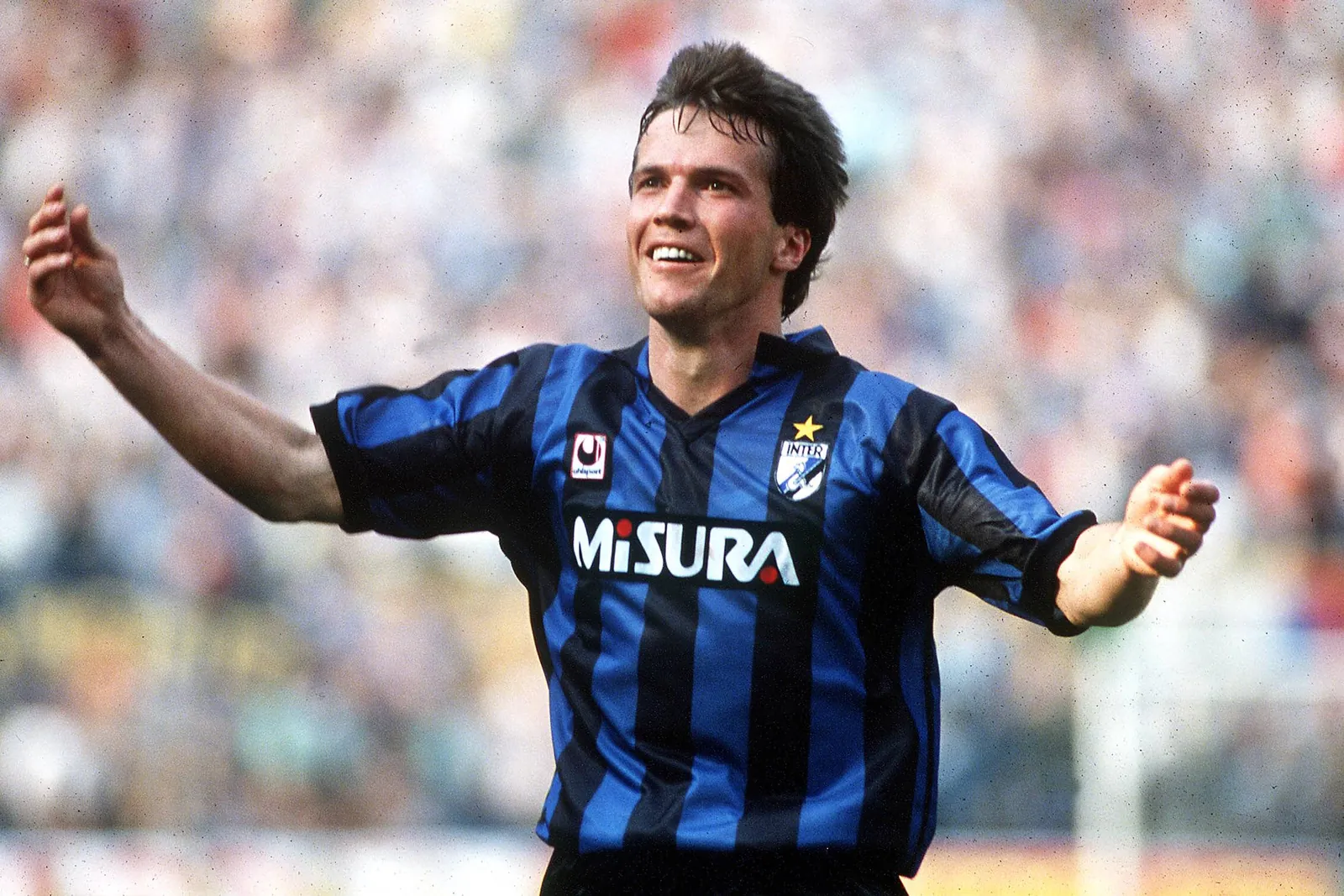
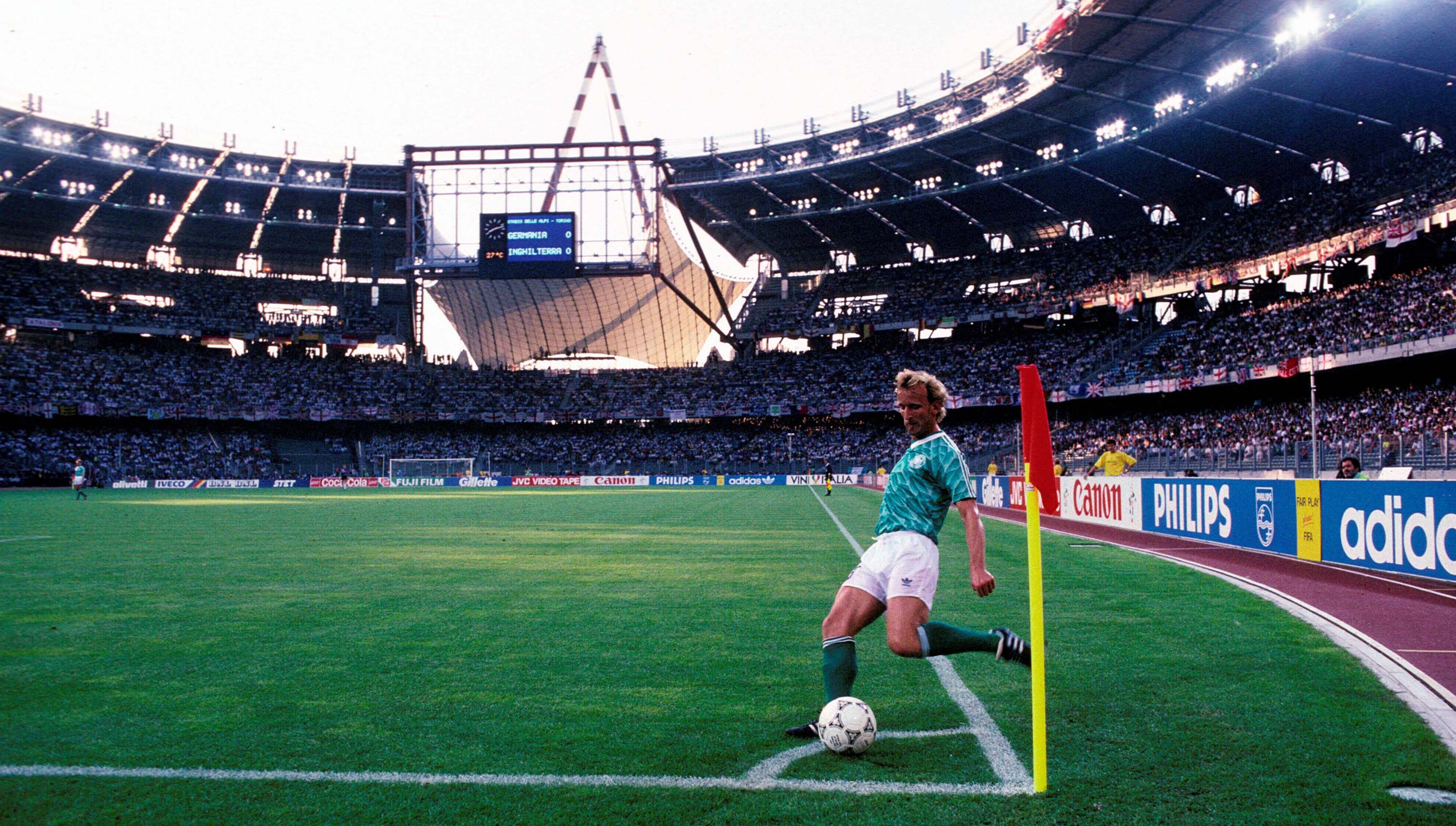
Matthäus enjoyed his greatest success in 1990 with West Germany. As captain, he led the side to the title at the World Cup in Italy. In the final against Argentina, West Germany won 1-0 thanks to an Andreas Brehme penalty.
Over the course of the tournament, Matthäus had impressed not only as a leader but also with four goals. His performances as a dynamic midfielder who combined defensive duties with attacking threat made him one of the standout players of the competition.
At the end of the year, he received the Ballon d’Or. In 1991, Matthäus also won the inaugural FIFA World Player of the Year award.
Karl-Heinz Rummenigge – 1980 and 1981
Karl-Heinz Rummenigge is one of the two Germans to have won the Ballon d’Or more than once. The Bayern Munich forward was honoured in 1980 and 1981, making him the first German player to receive the award in consecutive years.

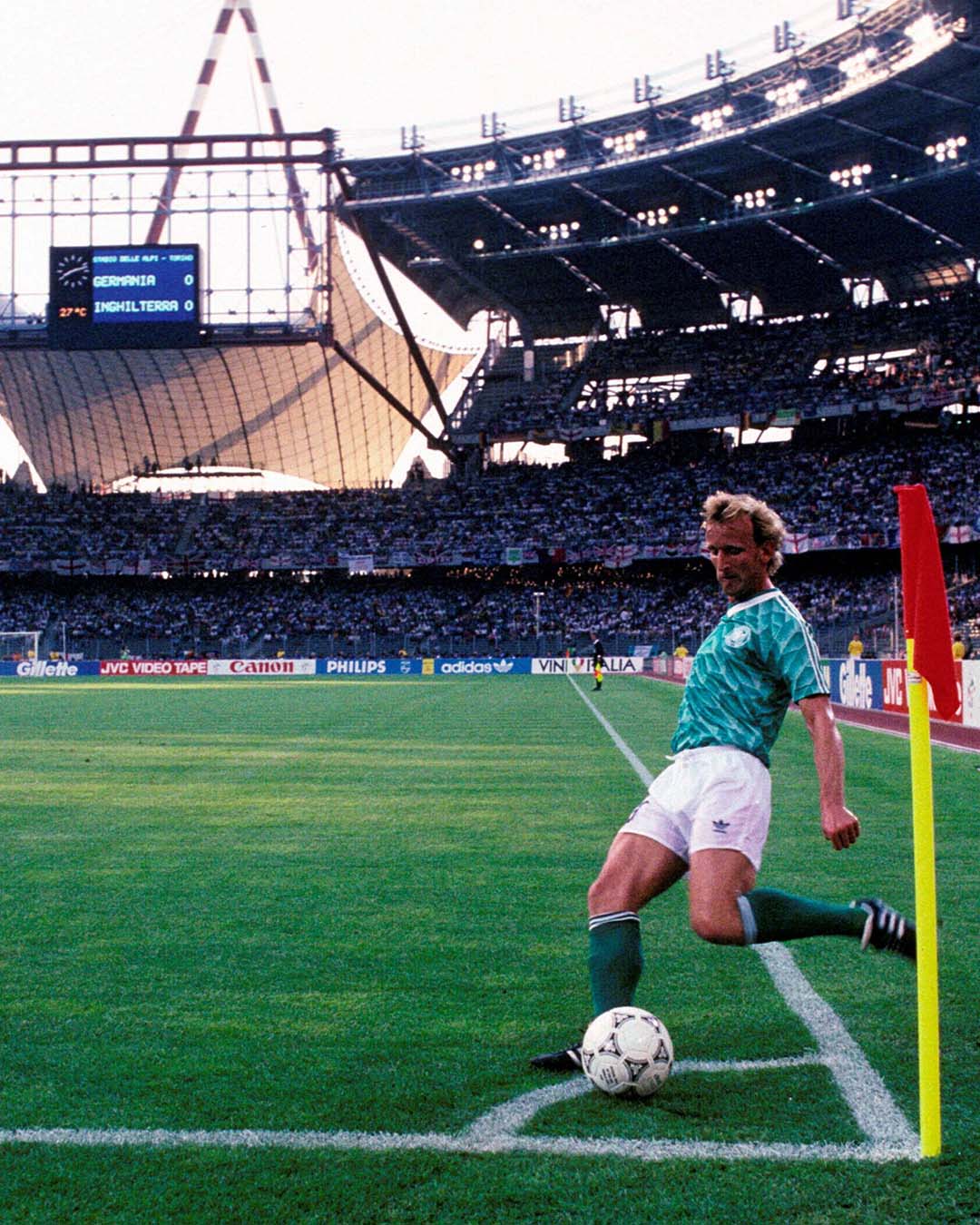
In 1980, Rummenigge won the Bundesliga with Bayern and, with 26 goals, also finished as the league’s top scorer. The same year, he was part of the West Germany side that won the European Championship in Italy. In the final against Belgium, Rummenigge took the late corner that Horst Hrubesch headed in for the 2-1 winner.
A year later, Bayern defended their title. This time Rummenigge scored 29 Bundesliga goals and again finished as top scorer. His performances also earned him first place in the Ballon d’Or vote, with his Bayern team-mate Paul Breitner in second.
Franz Beckenbauer – 1972 and 1976
In 1972, Franz Beckenbauer became the first German defender to win the Ballon d’Or. Four years later, he won it for a second time. He remains the only defender in Ballon d’Or history to have won the award twice.

Beckenbauer played a decisive part in shaping the role of the libero. Rather than simply breaking up opposition attacks, he directed play from the back. His vision, his technique and his influence on the build-up made him an exceptional player in his position.
In 1972, he won the Bundesliga with Bayern and captained West Germany to the European Championship title. In the Ballon d’Or vote that followed, he narrowly edged out his compatriots Gerd Müller and Günter Netzer.
His second award also followed a successful year. In 1976, Beckenbauer won a third consecutive European Cup with Bayern. With West Germany, he also reached the final of the European Championship, which they lost to Czechoslovakia on penalties.
Gerd Müller – 1970
The first German Ballon d’Or winner was Gerd Müller. The Bayern Munich striker received the award in 1970 after exceptional scoring records in both the Bundesliga and at the World Cup in Mexico.

In the 1969-70 Bundesliga season, Müller scored 38 goals and finished as top scorer. At the World Cup that followed, he scored ten times for West Germany, which also made him the tournament’s leading scorer.
West Germany finished third at the World Cup. Among other goals, Müller scored twice in the semi-final against Italy, but he could not prevent a 4-3 defeat after extra time.
His greatest strength was finishing. Müller often needed only a little space and very few touches to become dangerous. His quick reactions and his sense for space in the penalty area made him one of the most prolific goalscorers in football history.
In the 1970 Ballon d’Or vote, he finished ahead of Bobby Moore, who had won the World Cup with England in 1966.
Five Players, Seven Ballon d’Or Wins
From goalscorer Gerd Müller and libero Franz Beckenbauer to midfielder Lothar Matthäus, the five German winners came from different parts of the team. None of them was a goalkeeper.
Since Matthias Sammer’s award in 1996, however, the only German players to finish in the top three have been goalkeepers: Oliver Kahn came third in both 2001 and 2002, Manuel Neuer in 2014. The only goalkeeper to have won the Ballon d’Or so far is Lev Yashin. The Soviet international received the award in 1963.
That leaves one question: when will Germany celebrate its next Ballon d’Or winner, and who will it be?
