
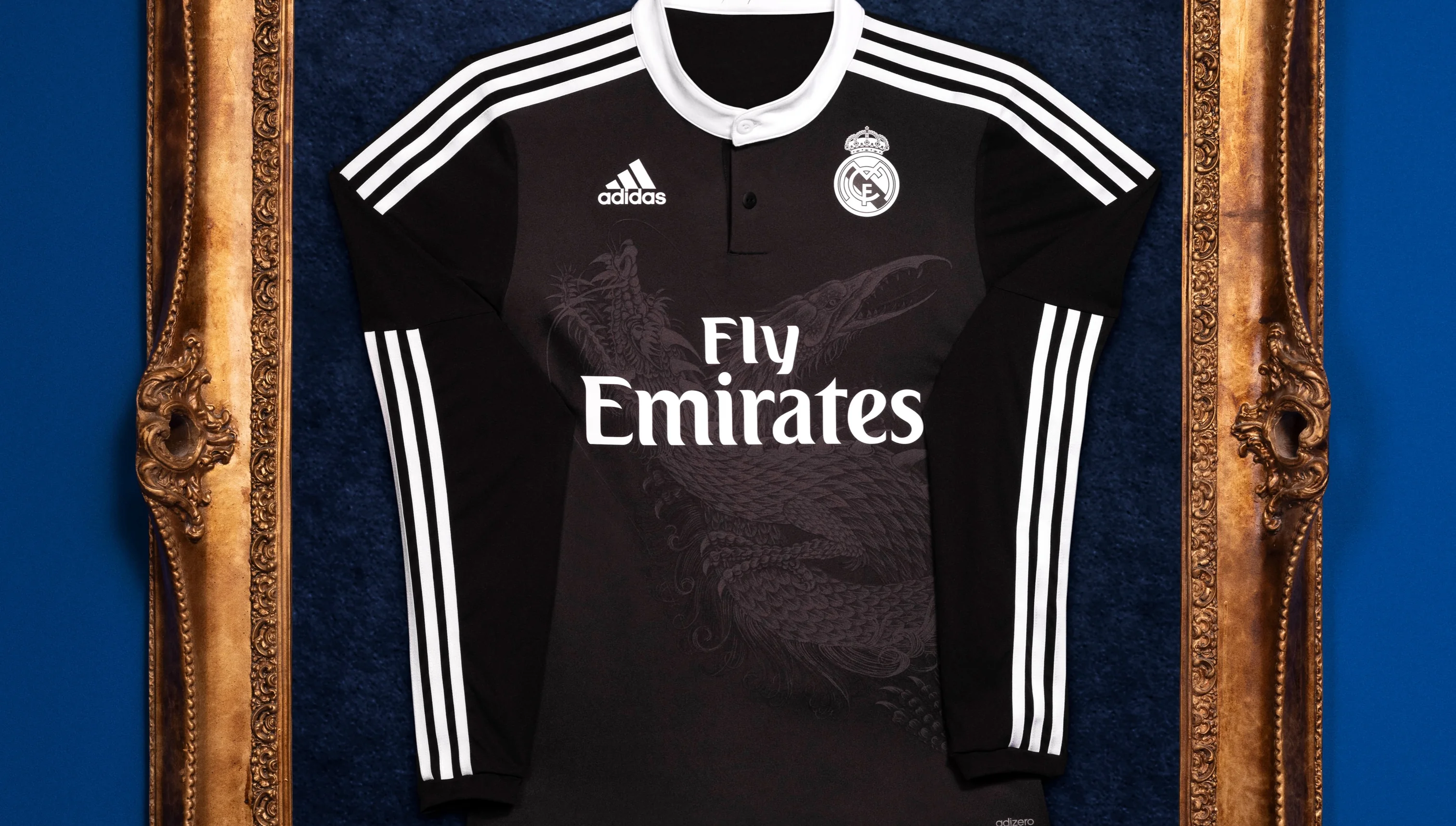









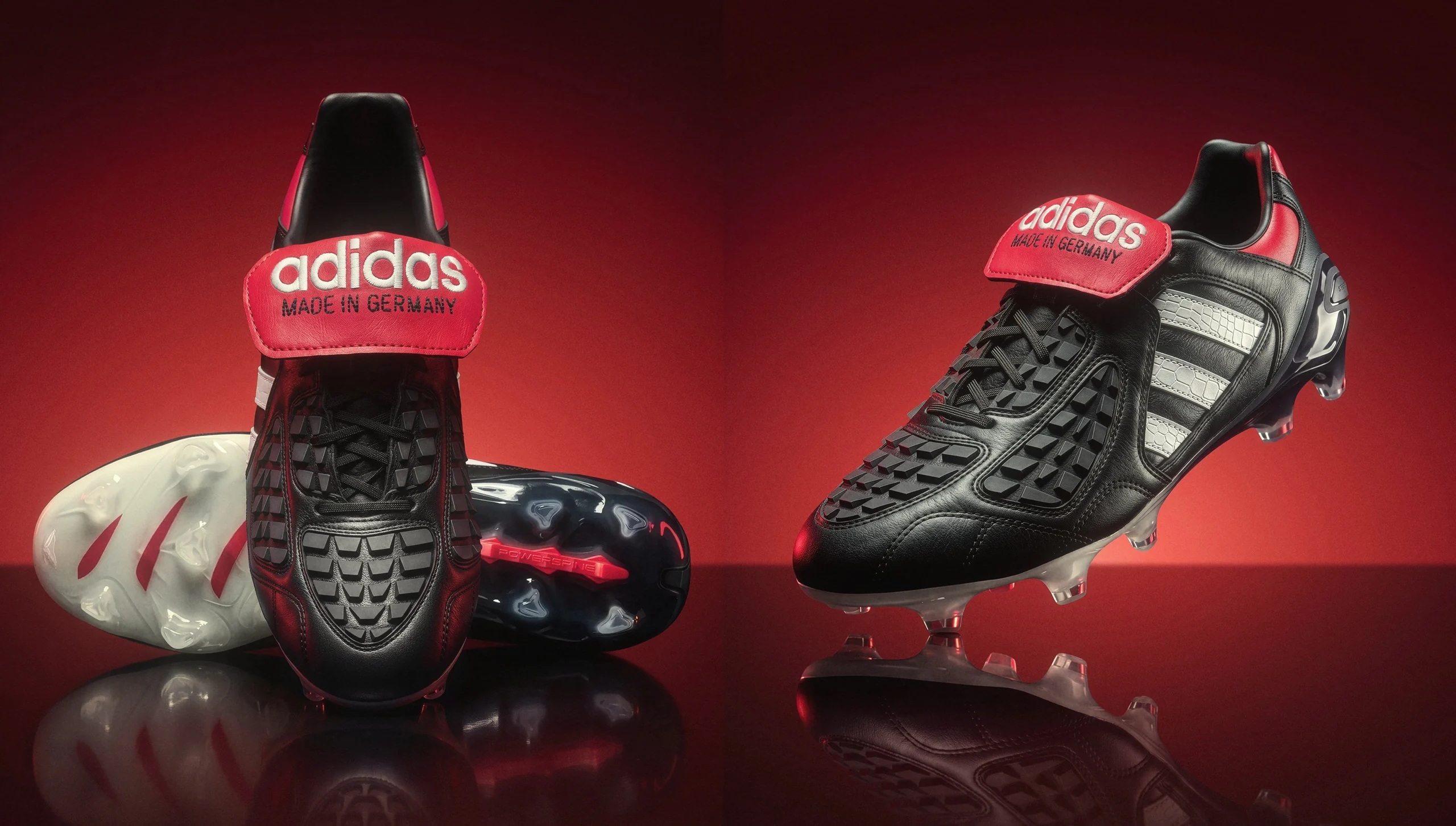









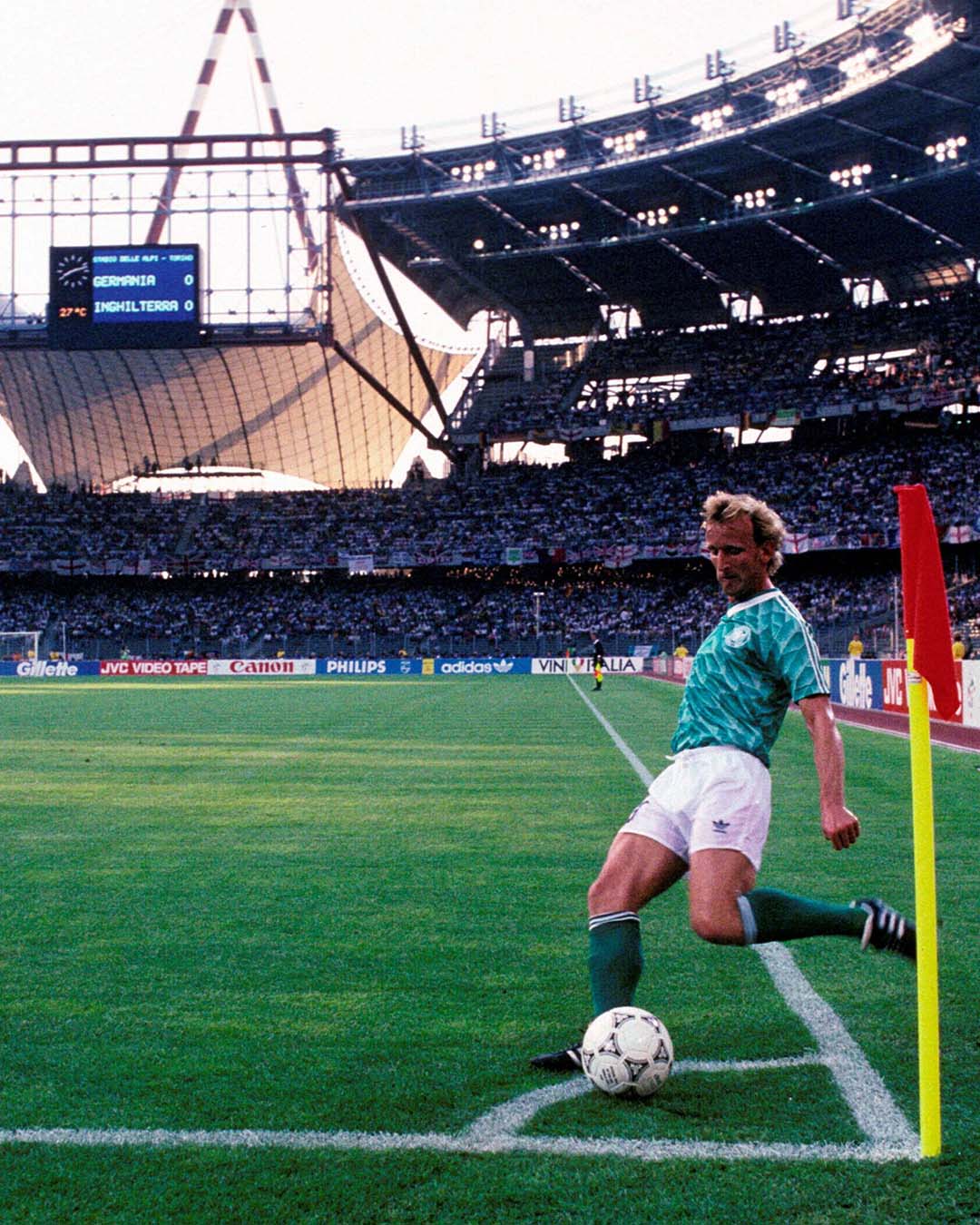
Adidas is reportedly set to replace Puma as AC Milan’s kit supplier in 2028. The possible return of the three stripes brings back memories of legendary players, great European nights and some of the most iconic shirts in football history.
The white stripes on the shoulders, the red-and-black shirt, Paolo Maldini with the captain’s armband. Or Kaká, ball at his feet, running through an opposing defence. Think of AC Milan in the 2000s and adidas often comes to mind too. For decades, the German sportswear brand shaped the look of one of Europe’s most successful clubs. Now a partnership that left behind far more than shirts could be about to return.
According to reports in the Italian sports daily La Gazzetta dello Sport, AC Milan and adidas are understood to have agreed a new kit deal. The deal is said to begin in summer 2028, run for ten years and be worth around €500 million in total. The agreement has not yet been officially confirmed. If the move goes ahead, the three stripes would return to the Rossoneri’s shirts after ten years of Puma.
AC Milan and adidas: The First Star and the Three Stripes
Their shared history began in 1978. Adidas became Milan’s kit supplier and was there for a special success in its very first season. In 1979, with Gianni Rivera in the side, the Rossoneri won their tenth Italian league title, earning the right to wear a gold star above the club crest. Rivera retired after the title win.
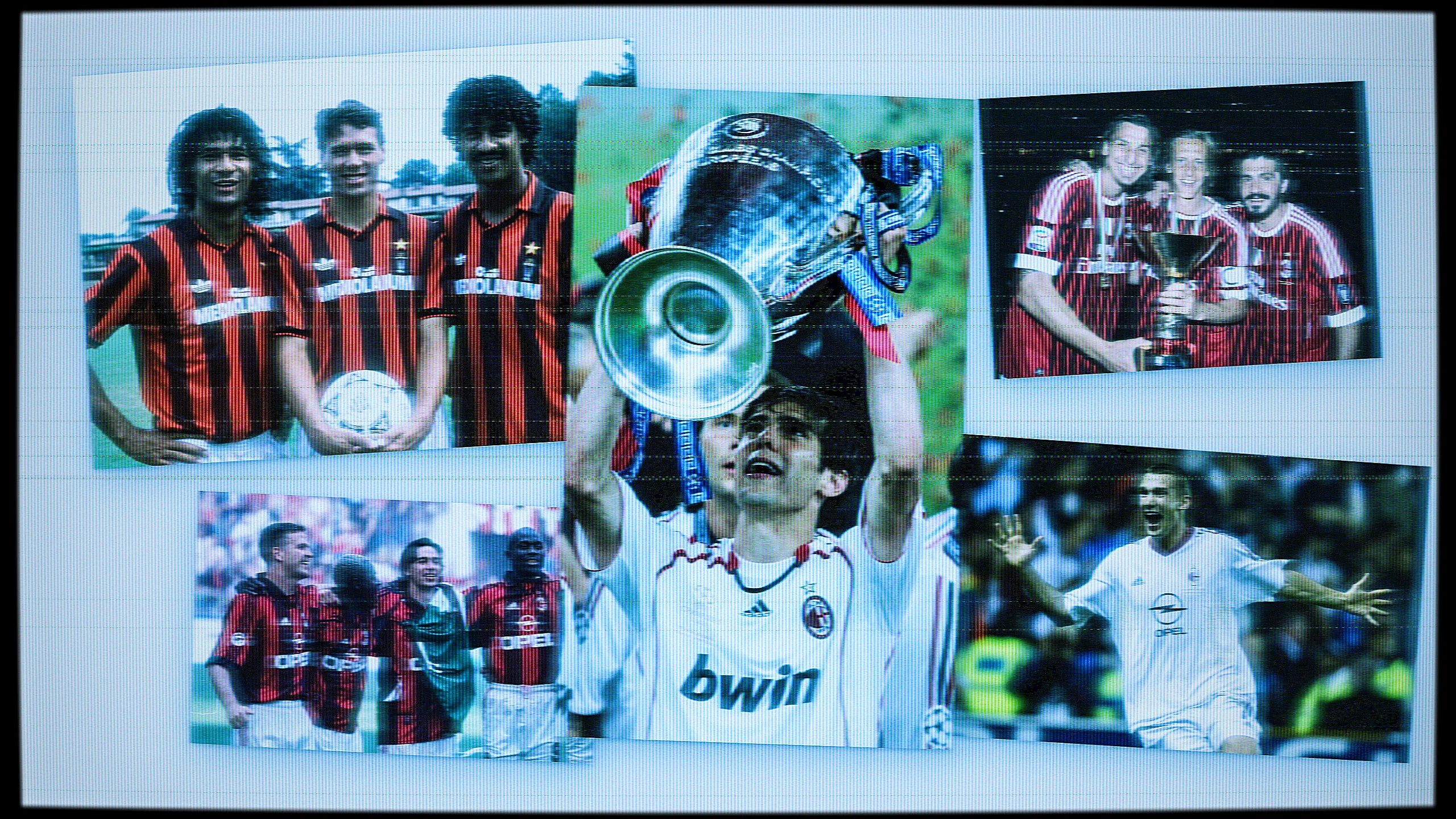
In 1980 the two went their separate ways for the time being. Ten years later, adidas came back. By then Milan were among the best teams in Europe. Arrigo Sacchi had built a side around Marco van Basten, Ruud Gullit, Frank Rijkaard, Franco Baresi and Maldini that changed European football for good. The European Cup wins of 1989 and 1990, however, had still been celebrated in Kappa shirts.
The adidas shirts of the early 1990s reflected the football aesthetic of the time: broad red and black stripes, generous cuts and classic collars. In 1991/92, under Fabio Capello, Milan won the league without losing a single match.

In 1993, Lotto took over as kit supplier. Five years later, Milan and adidas joined forces again – this time for two decades.
Milan’s Return to adidas in 1998
Maldini was already captain when adidas returned to Milan in 1998. The red-and-black home shirts carried the Opel logo across the chest. Players such as Alessandro Costacurta, Zvonimir Boban, George Weah and Oliver Bierhoff were part of the side that won the 1999 league title under Alberto Zaccheroni.

Over the following years, Carlo Ancelotti built a team that would become one of the best-known generations in the club’s history. Maldini, Andrea Pirlo, Clarence Seedorf, Gennaro Gattuso, Alessandro Nesta, Andriy Shevchenko and later Kaká shaped the image of the Rossoneri.
But while red and black remained the club’s traditional colours, another shirt took on a special meaning for Milan.
Milan’s White Shirts: From Manchester to Istanbul to Athens
Manchester, 28 May 2003. Shevchenko stands on the penalty spot. After 120 minutes against Juventus, there is still no winner. Gianluigi Buffon waits in goal.
Shevchenko runs up and scores. Milan win the shoot-out and, with it, Europe’s most important club competition for the sixth time.
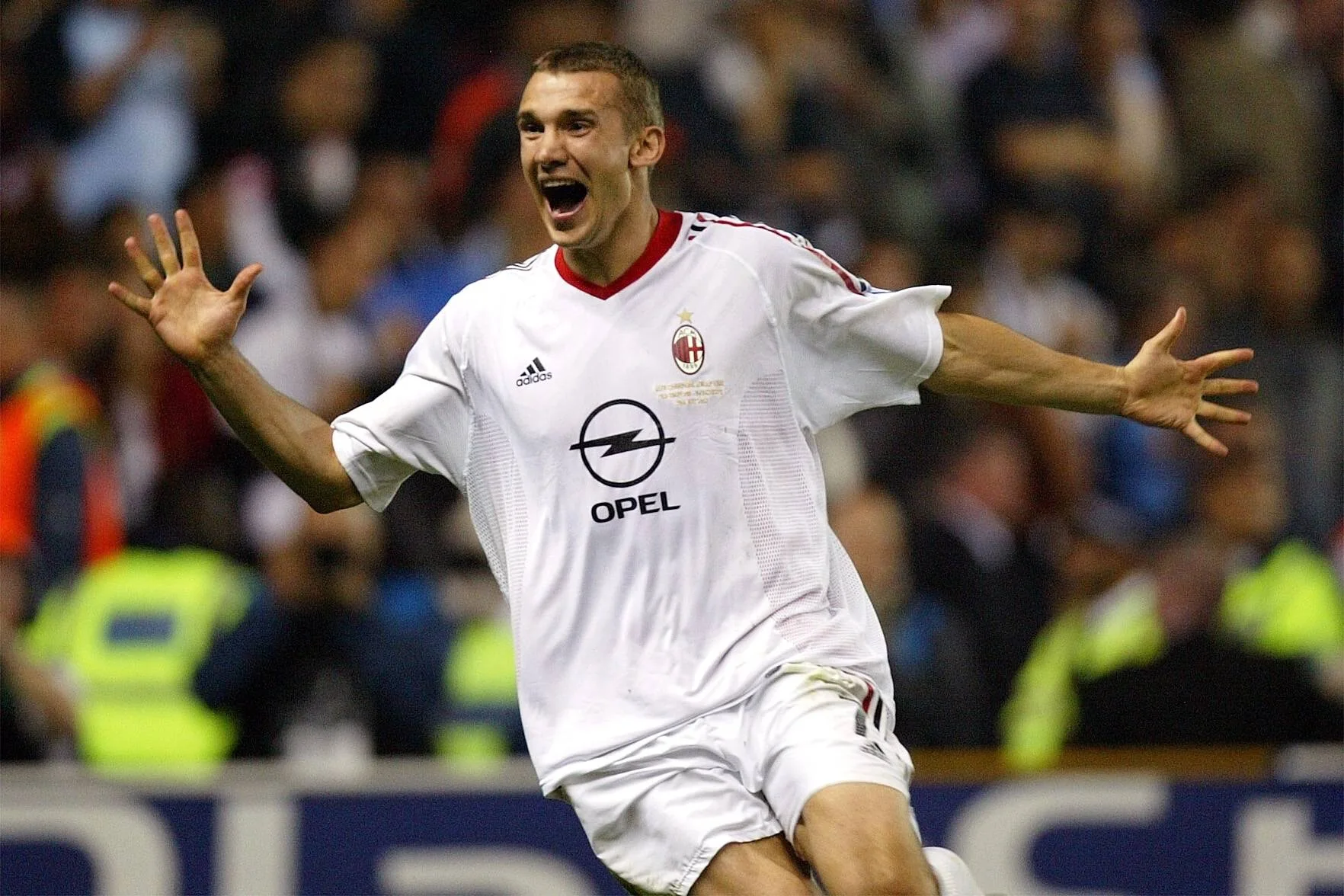
The Ukrainian is wearing a white adidas shirt with red and black accents. Opel runs across the chest. The images of the decisive penalty and the celebrations that followed are among the best-known moments in Milan’s recent history.
But white had meant something special to the club long before that night. Milan had won their first European Cup in white back in 1963. Further titles followed in 1989, 1990 and 1994, when the Rossoneri wore other suppliers’ kits. With the win in Manchester, Milan had celebrated five of their six European Cups in white.
By then, the colour was widely seen as a lucky charm. But two years after Manchester, the story took a painful turn.
In 2005, Milan met Liverpool in the Champions League final in Istanbul. The Rossoneri led 3-0 at half-time. Liverpool drew level within six minutes and went on to win on penalties. Milan had worn white that night too.
When the two sides met again in the 2007 final in Athens, the memory of Istanbul was still fresh. Milan were officially designated the home team and could have played in their traditional red and black. The club chose white anyway.
UEFA reported on the deliberate choice ahead of the final and traced it back to the five European titles won in white. Defeat in Istanbul had evidently not shaken the club’s faith in the white shirts.
Once again, the Athens shirt was white, with red and black details and the three adidas stripes. By now, bwin was the name across the chest.
Filippo Inzaghi scored both goals in the 2-1 win over Liverpool. Milan won their seventh European Cup and avenged the defeat in Istanbul. Maldini lifted the trophy into the Athens night sky, and Kaká finished the competition as top scorer.
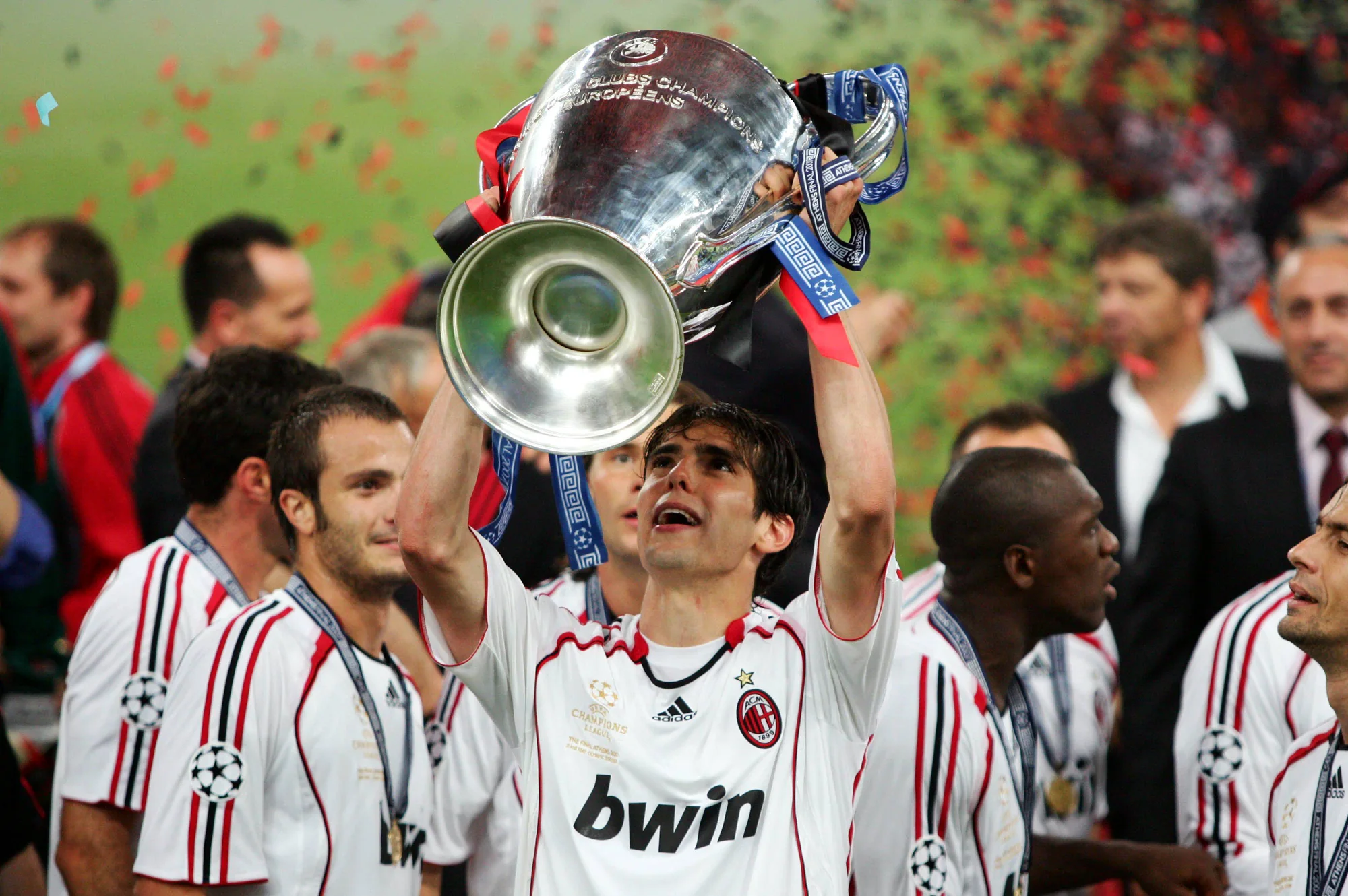
The decision to wear white had paid off. And adidas was once again part of one of the greatest moments in Milan’s history.
AC Milan and adidas: The End of an Era
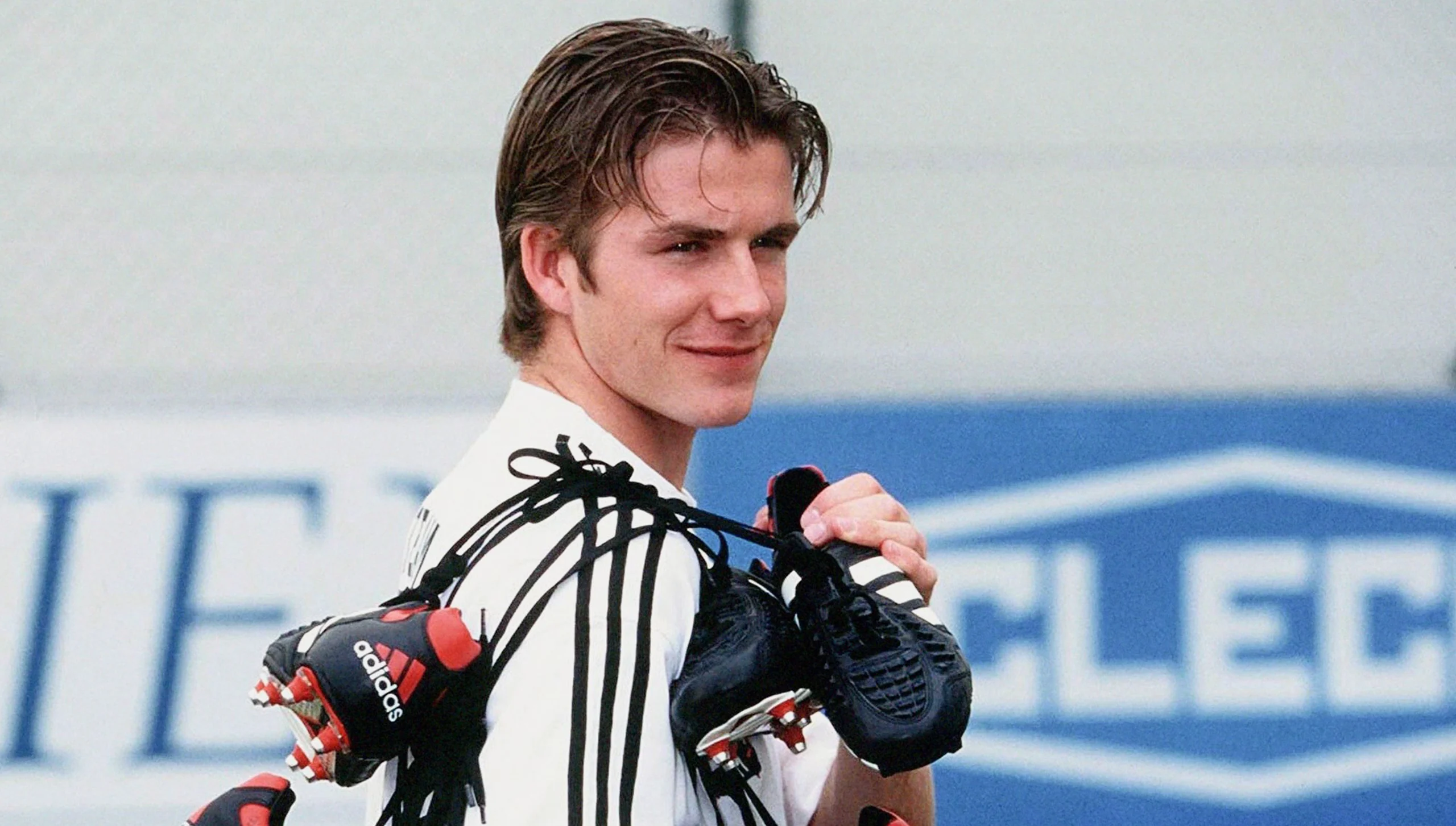
The partnership also carried Milan through the years after the triumph in Athens. Kaká won the Ballon d’Or in 2007, Ronaldinho joined in 2008 and David Beckham wore the red-and-black shirt during two loan spells.
In 2011, Zlatan Ibrahimović led the club to the league title alongside players such as Thiago Silva and Alexandre Pato.
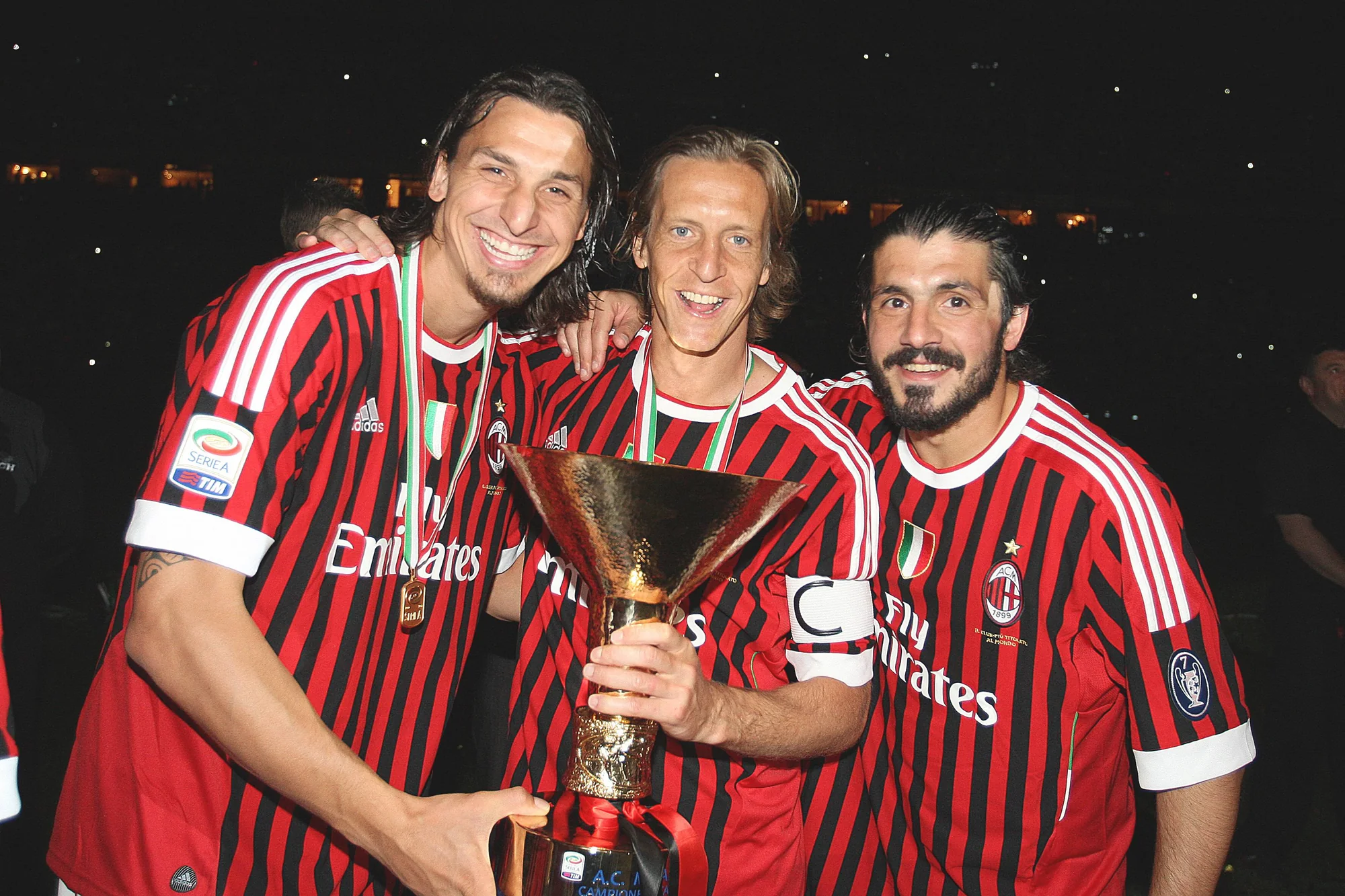
In 2018, the 20-year partnership came to an end. Puma took over as kit supplier and saw Milan through a period of rebuilding. By winning the league in 2022, the club wrote another successful chapter in its history without adidas.
Milan won in white with different suppliers, lost one of the most dramatic finals in their history wearing it and, two years later, chose the colour again anyway. Adidas did not create this tradition. But the images of Shevchenko in Manchester and Inzaghi in Athens have made sure that the three stripes remain part of it to this day.