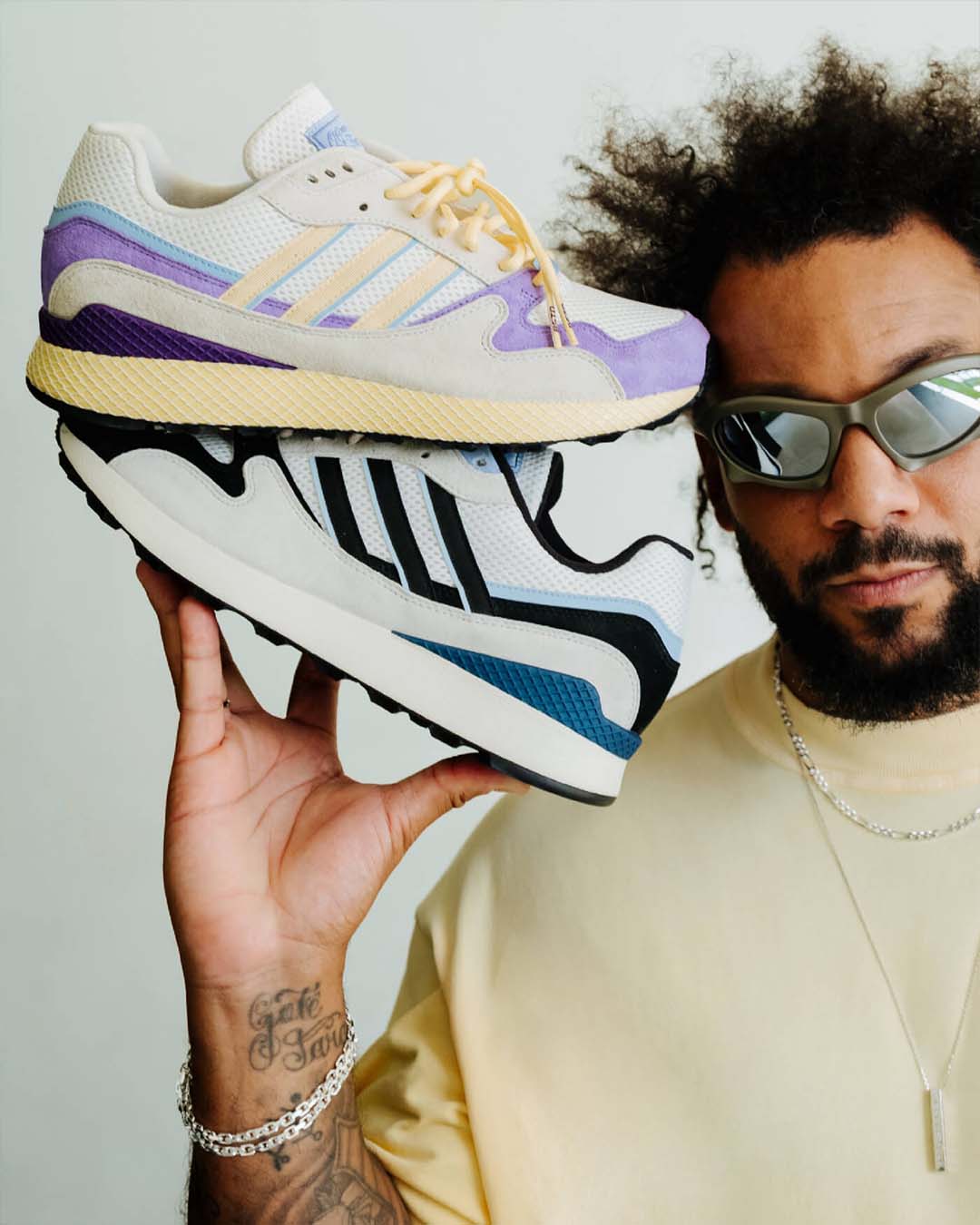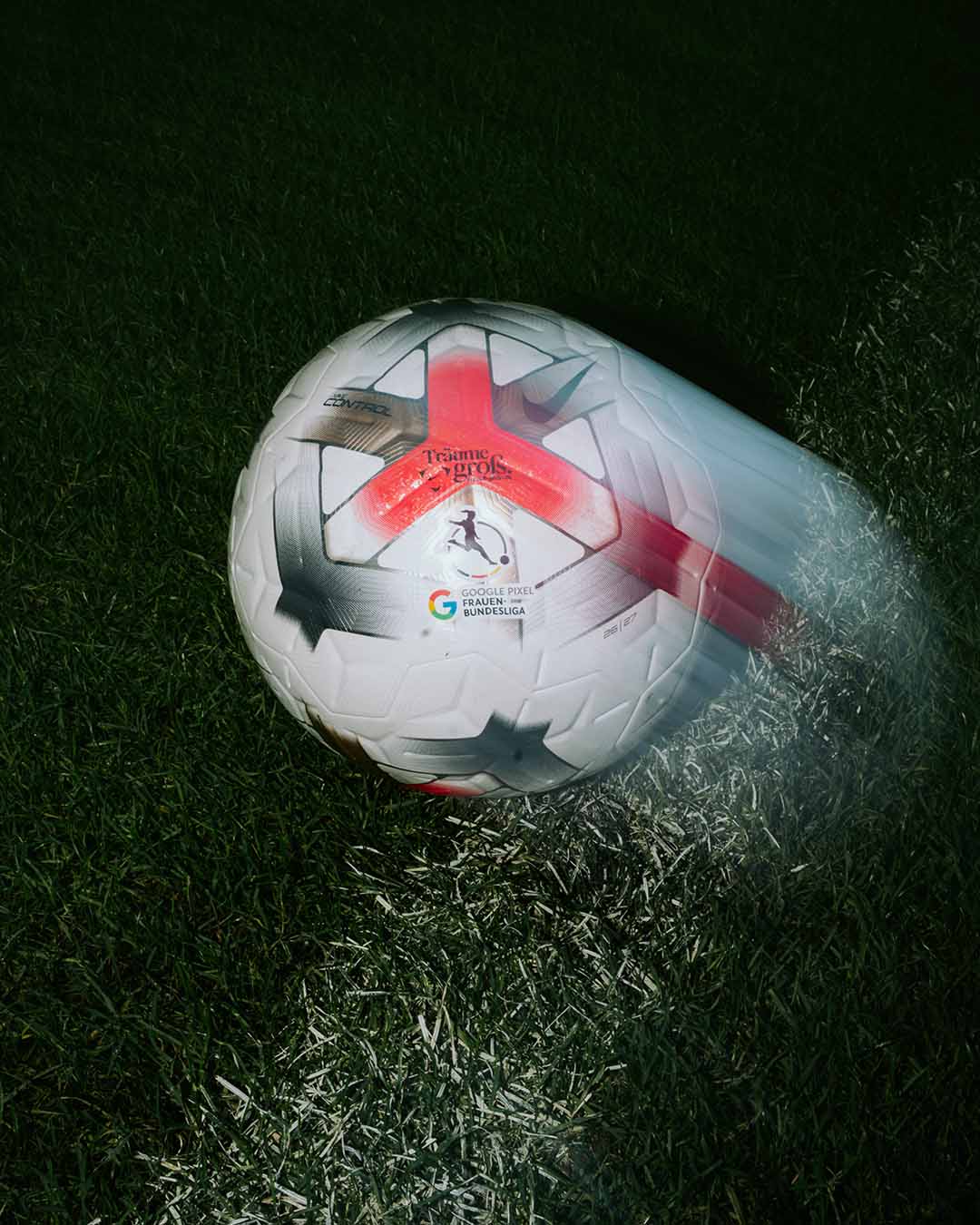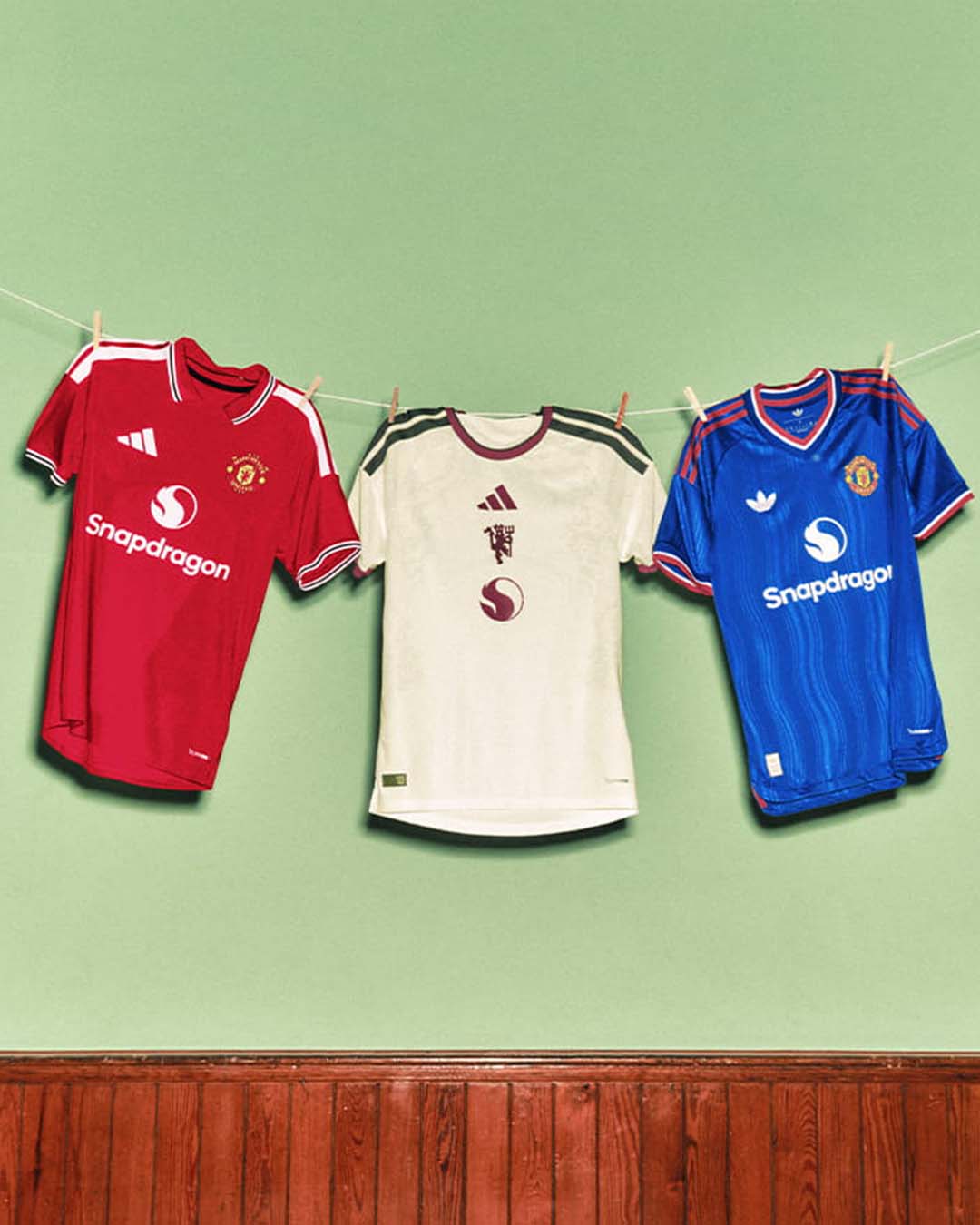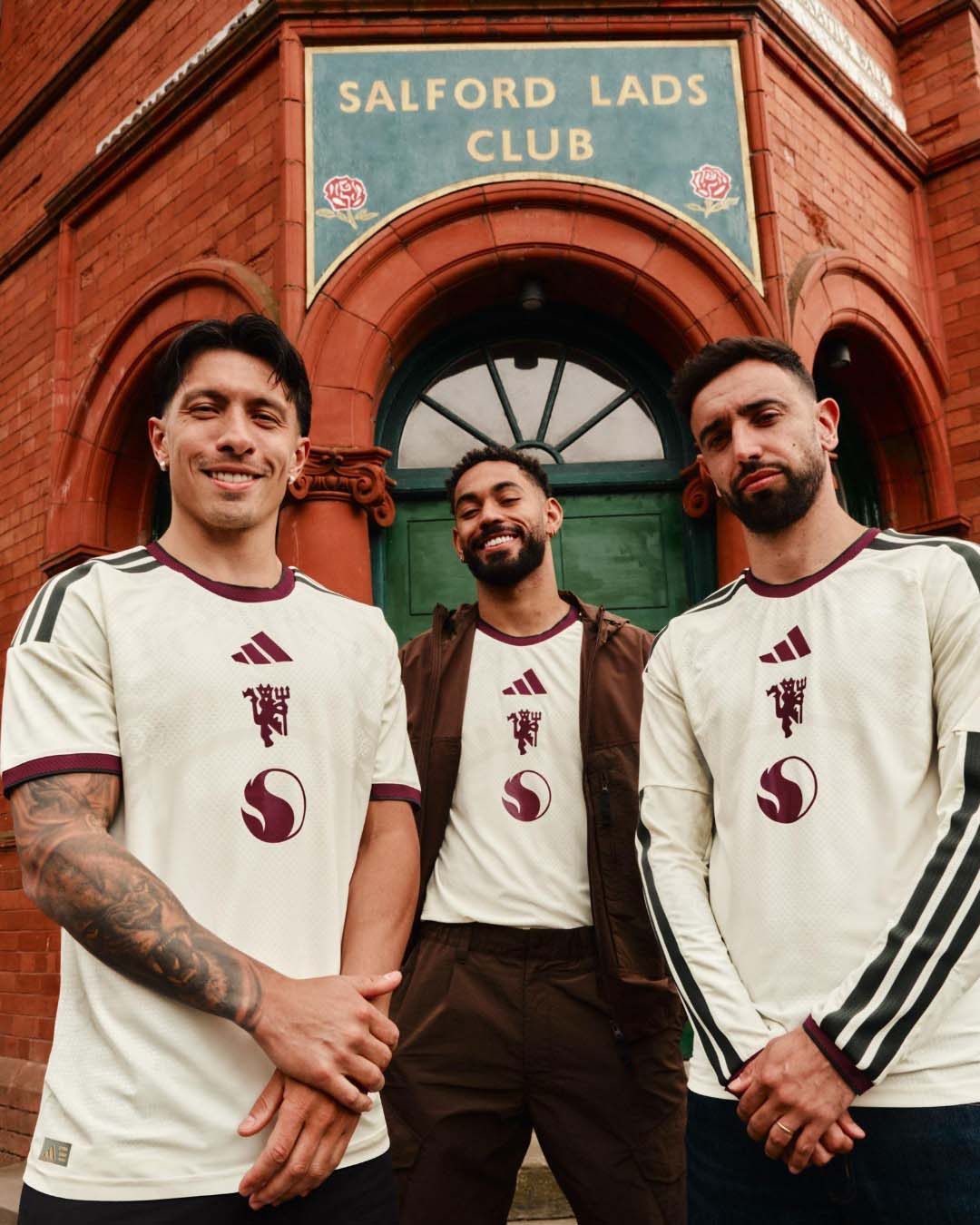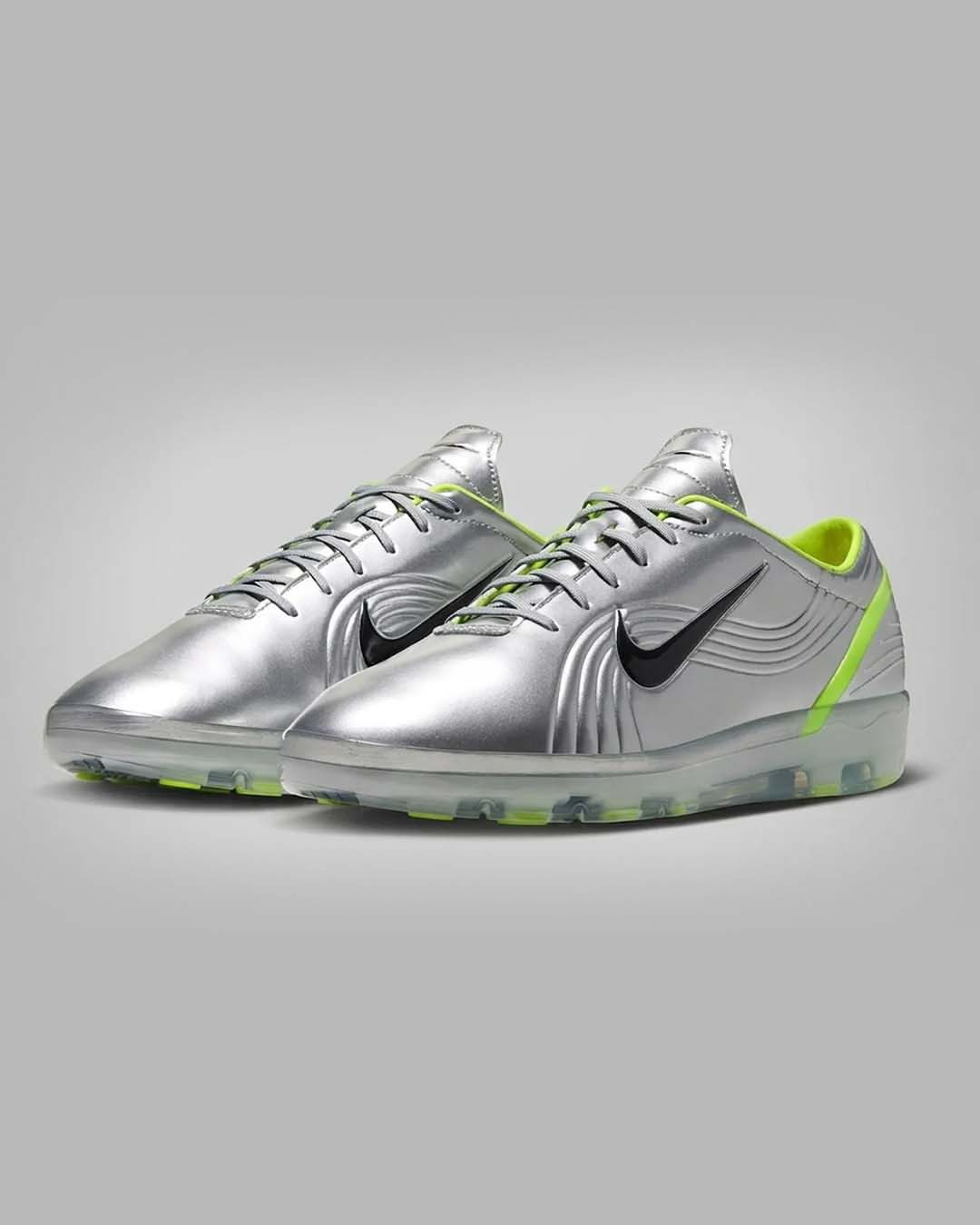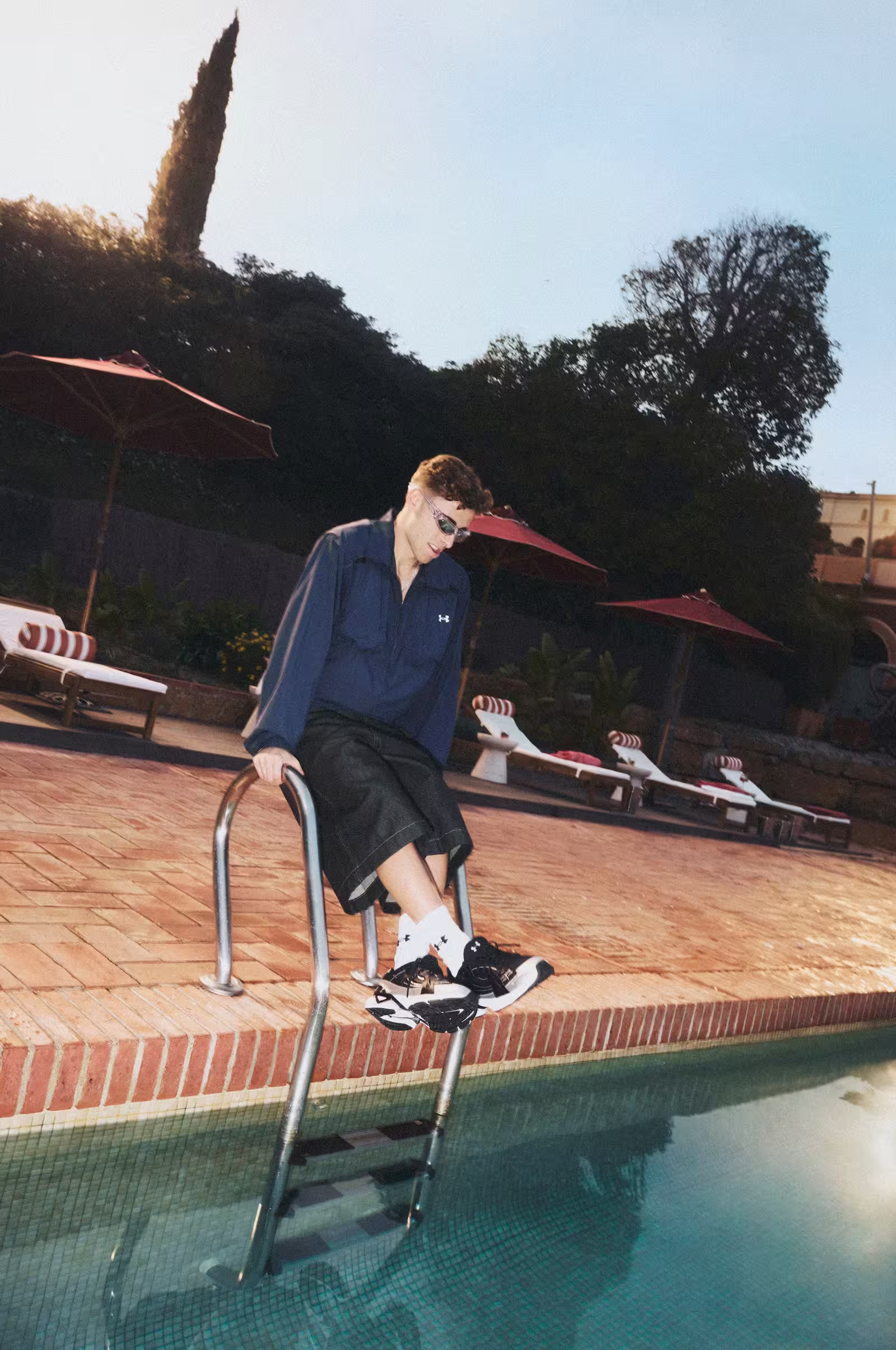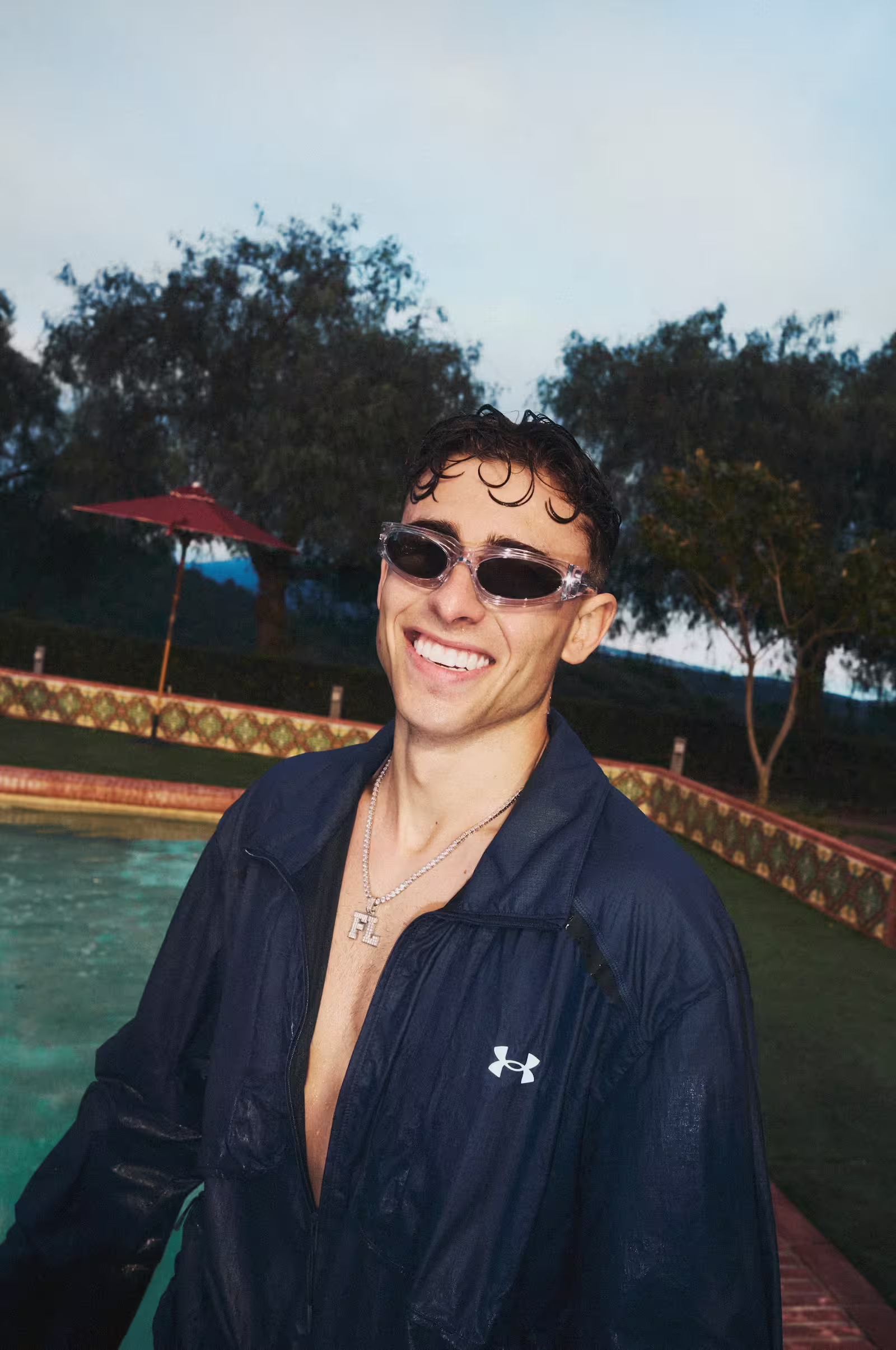




























Arte Antwerp, Prada, Wales Bonner, Stone Island, KidSuper, Off-White: more and more fashion labels are designing football boots that professionals actually wear on the pitch. Why do boots hold such appeal for them?
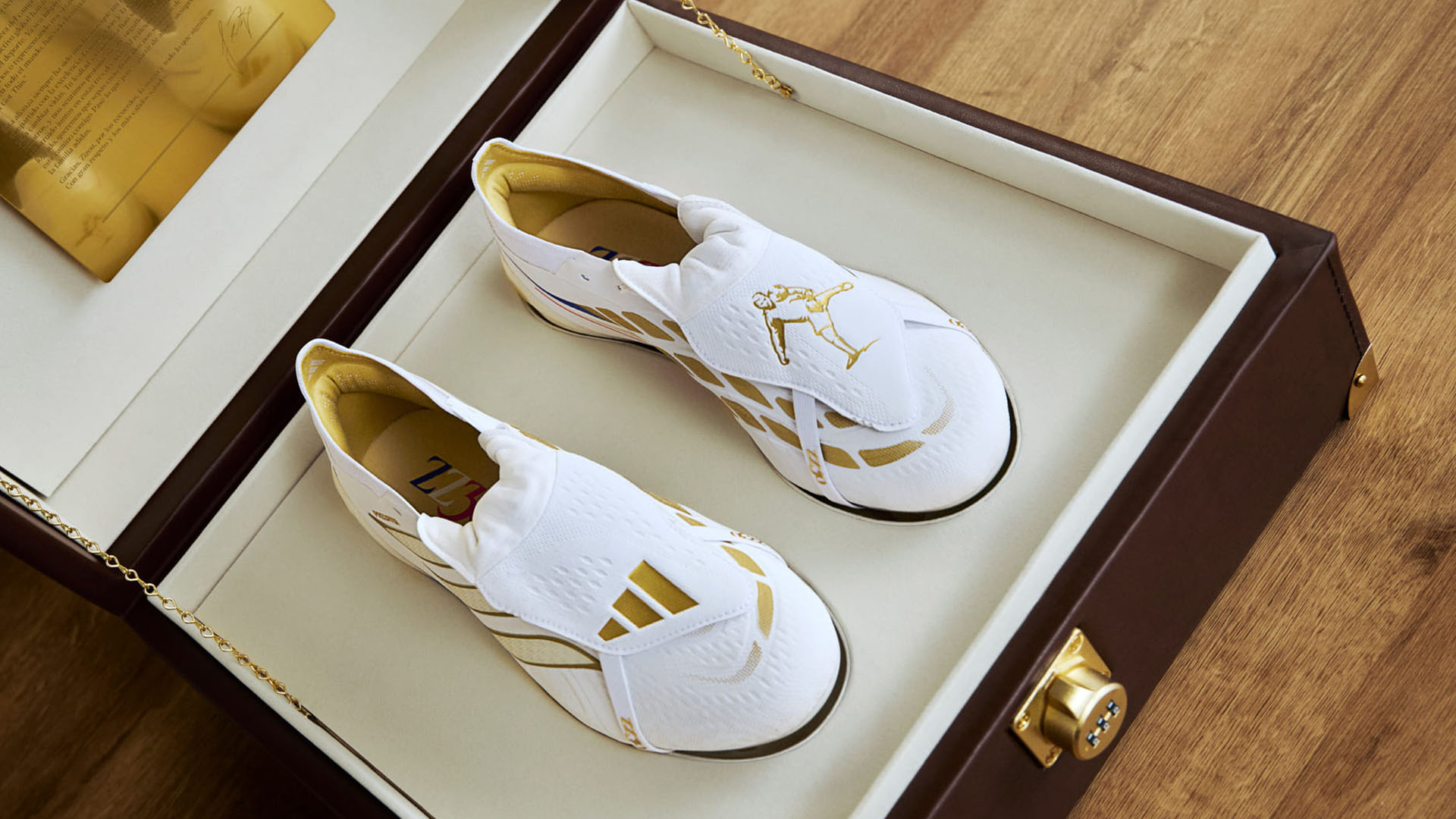
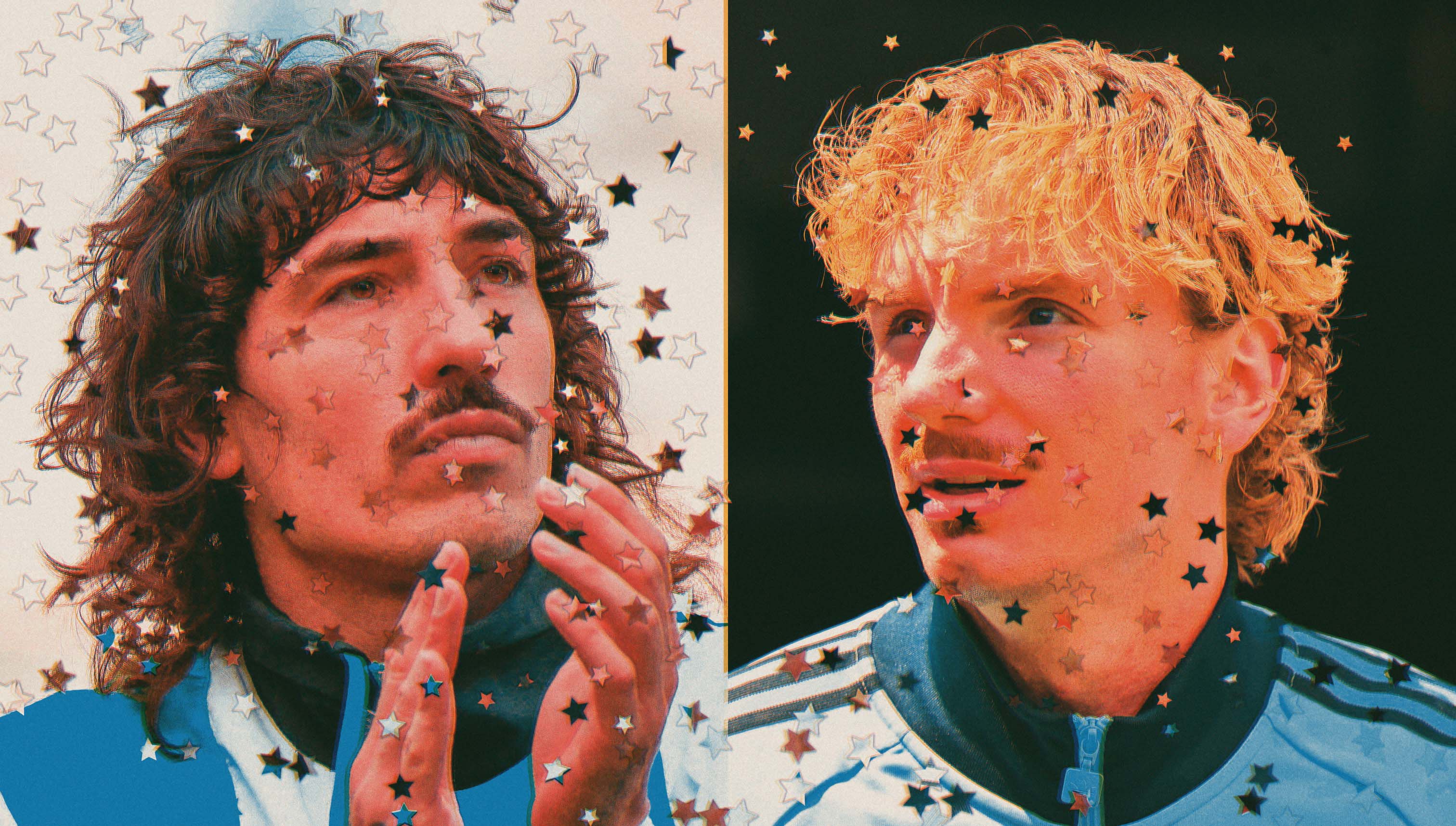
When Manchester City faced Porto in the Champions League, Rayan Cherki wore a silver F50 with a bold Arte logo running down the side. The boot is part of a collaboration between adidas and the Antwerp label.

Arte isn't the only fashion label whose designs have appeared on a current football boot in 2026. Wales Bonner, Stone Island, Patta and KidSuper have all worked with sportswear brands on boots built for the pitch.
So why football boots specifically? The story starts almost three decades earlier.
How Fashion Found the Football Boot
In 1998, Jil Sander teamed up with PUMA. Elements of the KING football boot and the EASY RIDER running shoe were combined into a single lifestyle model. The football boot's silhouette became the basis for a shoe made for the street.
Eight years later, Yohji Yamamoto took it further. The Japanese designer worked with adidas on the +F50 Tunit, a contemporary performance boot made for the pitch. The pair had already launched Y-3 together three years earlier. Working with artist Taishi Hayashi, they created four versions themed around a dragon, a tiger, an eagle and a wolf.
In 2013, Yamamoto returned to the F50. A pair of Japanese guardian lion-dogs stretched across the upper. David Alaba wore the limited edition for Bayern Munich. A fashion designer's work had now made it onto a professional pitch.
From Virgil Abloh to Prada: New Kinds of Collaboration
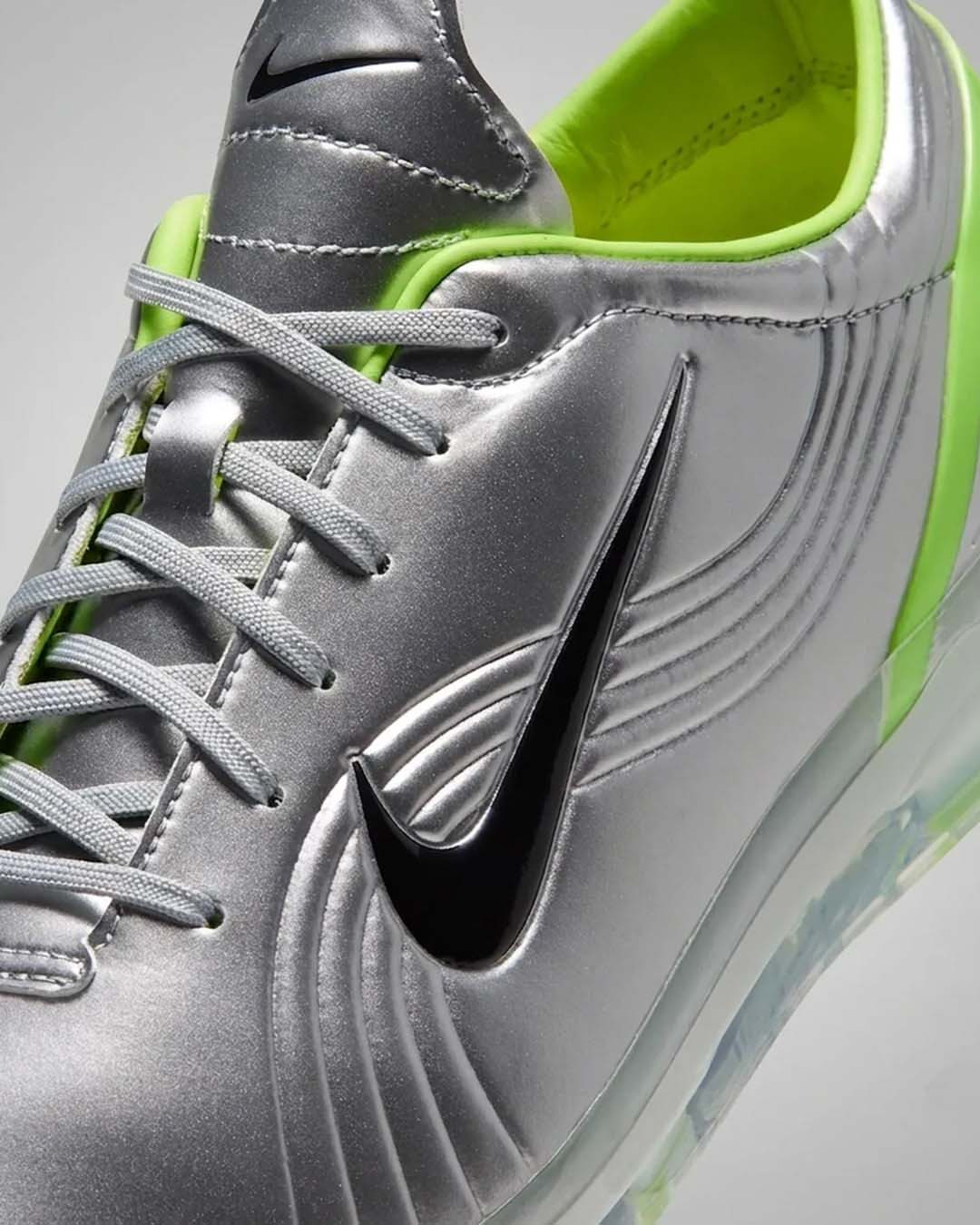
In 2018, Nike brought in two high-profile designers to work on the Mercurial. Kim Jones designed a Superfly 360 for Cristiano Ronaldo, and Virgil Abloh followed just weeks later. Lettering, graphic markings and dots at different contact points on the foot defined Abloh's orange Mercurial. Kylian Mbappé wore a version customised for him on the pitch.
Abloh's Mercurial followed a formula that was already well established in sneaker culture: a familiar silhouette, a designer's signature, a limited run and a high-profile wearer.

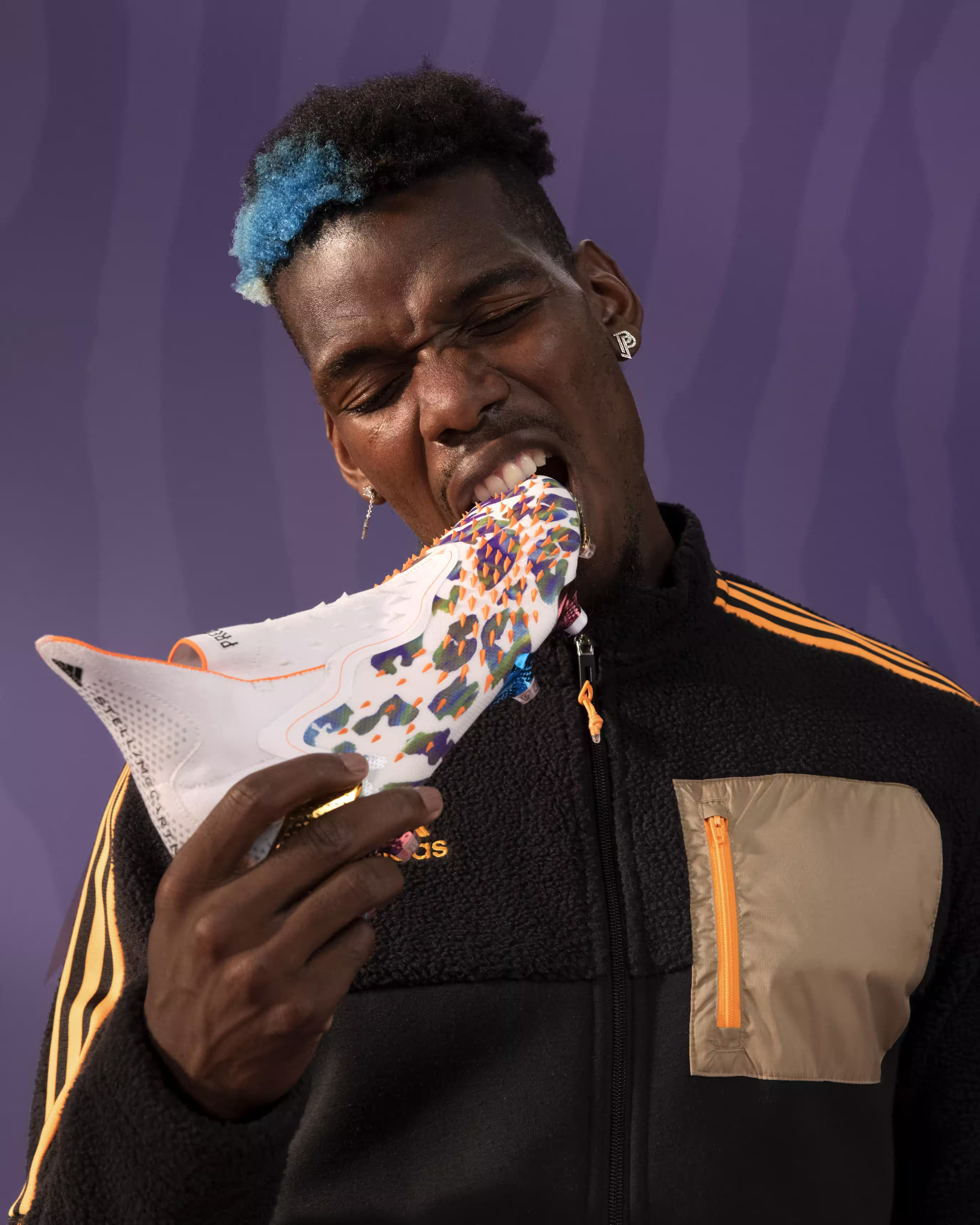
In 2021, adidas, Stella McCartney and Paul Pogba jointly developed the Predator Freak Vegan. adidas presented the limited edition as its first fully vegan football boot. Materials and components had to meet both vegan standards and the demands of play. Pogba was involved in developing the boot rather than simply wearing the finished product.
In 2023, Prada widened the collaboration to three adidas performance lines at once: Predator Accuracy, Copa Pure and X Crazyfast. Leather, the red Linea Rossa stripe and a largely monochrome palette tied the three boots together visually.
What Fashion Labels Bring to the Boot
In 2025, BAPE brought its ABC Camo to the Predator and F50. By 2026, collaborations like these had become far more frequent.
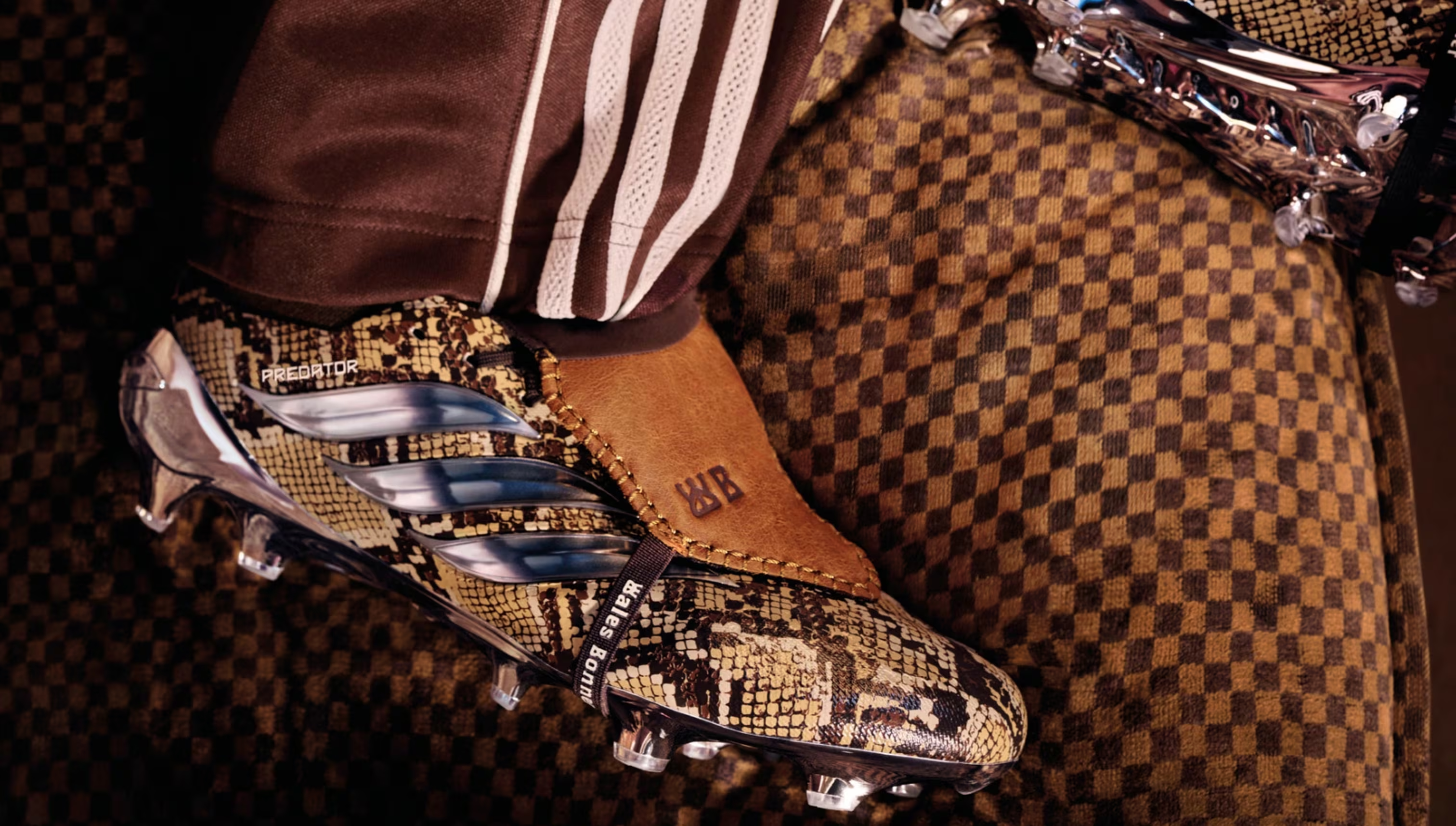
Wales Bonner gave the adidas Predator a snakeskin print and a fold-over tongue in cognac leather. On Stone Island's New Balance Furon, a heat-reactive graphic changes appearance with temperature.
KidSuper took Neymar himself as its starting point. Working with PUMA, the label created a FUTURE for the Brazilian featuring a phoenix, a nod to the setbacks and comebacks in his career. Patta brought its signature wave graphic to the Nike Mercurial. Travis Scott's Cactus Jack worked with Nike on a Phantom 6, which Erling Haaland later presented at the World Cup. Dolce&Gabbana worked with Diadora on a Brasil finished in leopard-print pony hair.
A pattern, a material, a label's own graphic, or a player's story: any of these can become the starting point.
What Makes Football Boots So Appealing to Fashion Labels
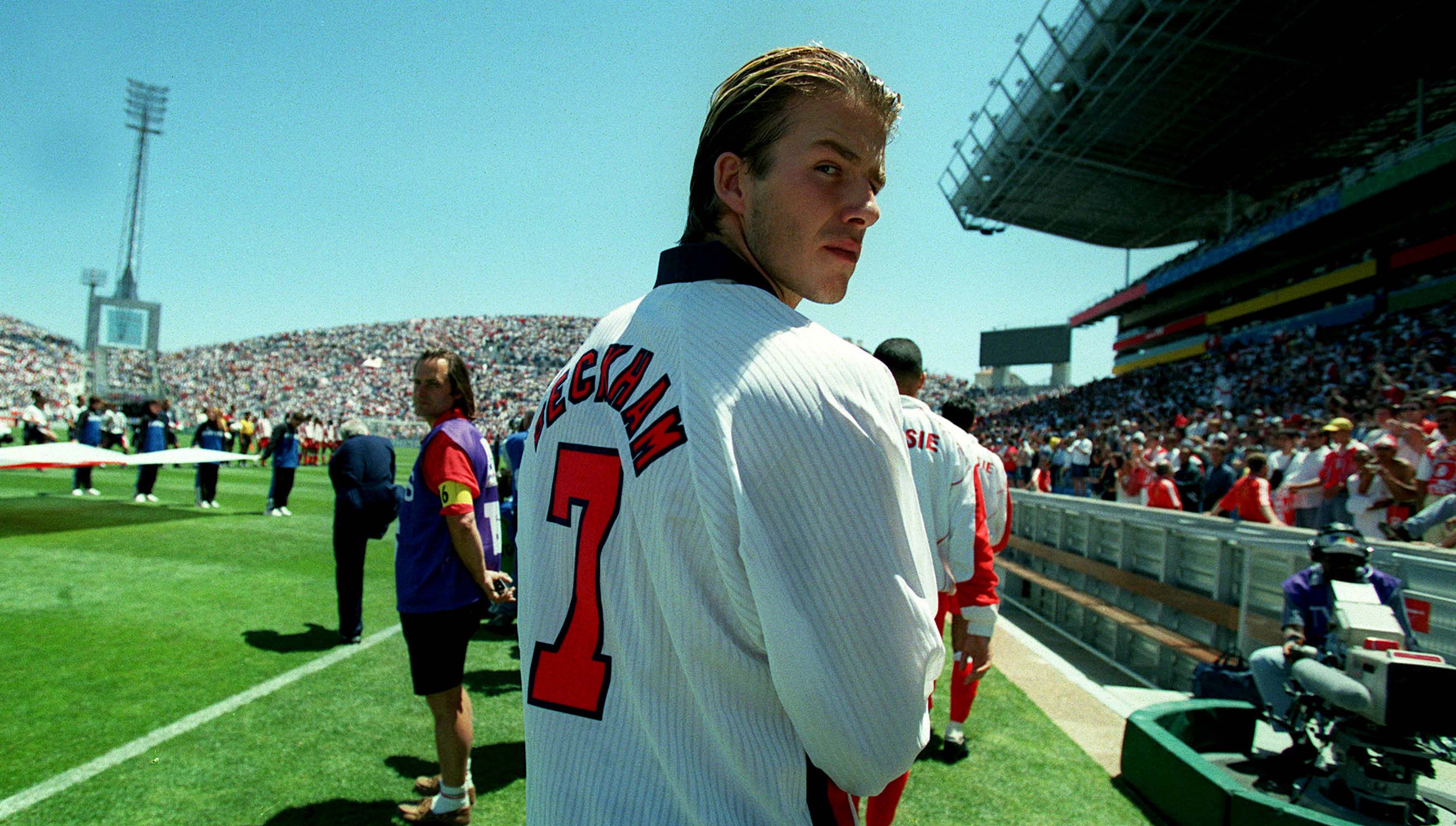
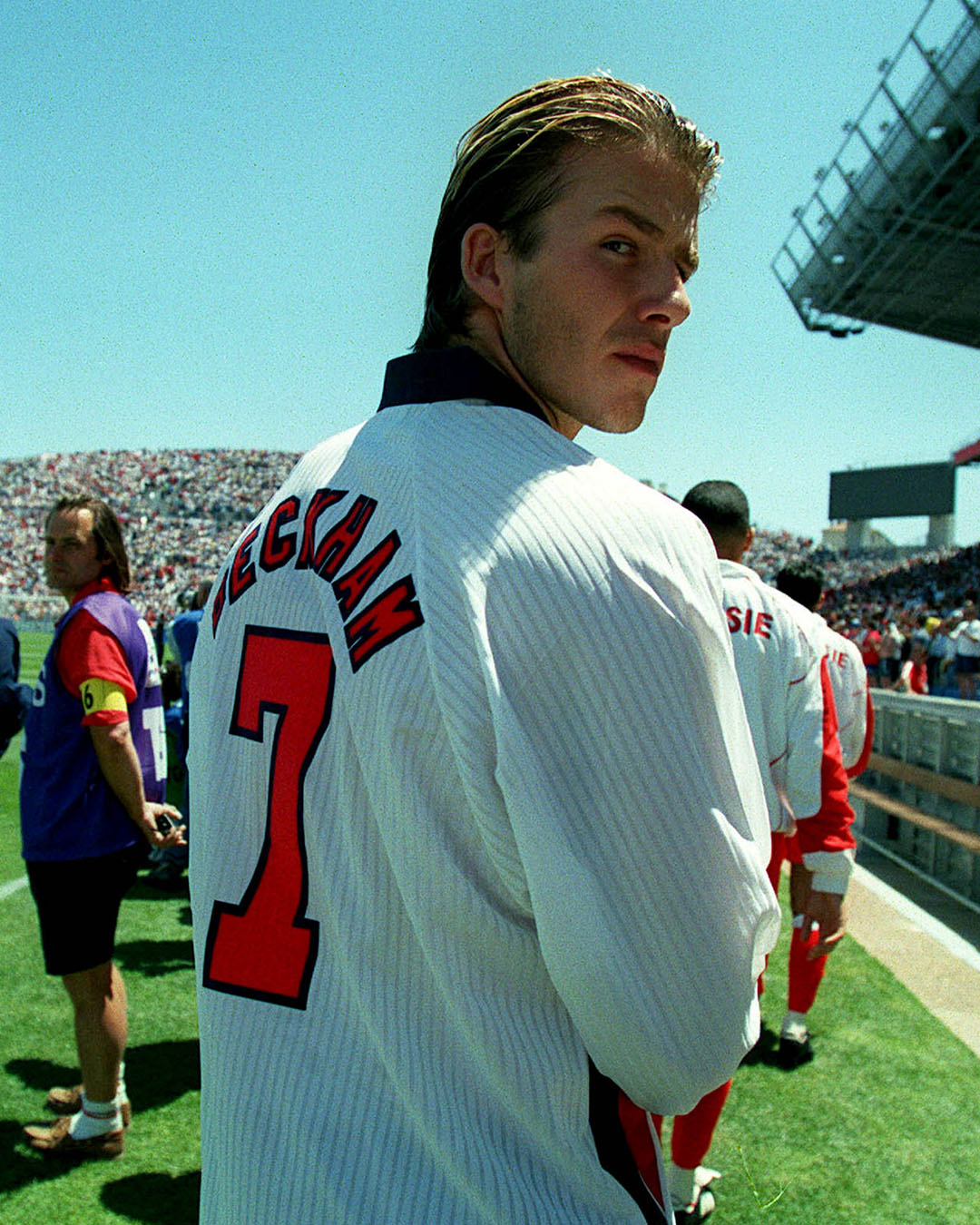
The Predator, the Mercurial and the F50 have been familiar to football fans for decades. Zinédine Zidane and David Beckham defined the Predator; Ronaldo Nazário and Cristiano Ronaldo made the Mercurial famous worldwide. These boots are already tied to particular players, tournaments and eras. For fashion labels, that is attractive because they can apply their own design to a product that already comes with recognition and history within football.
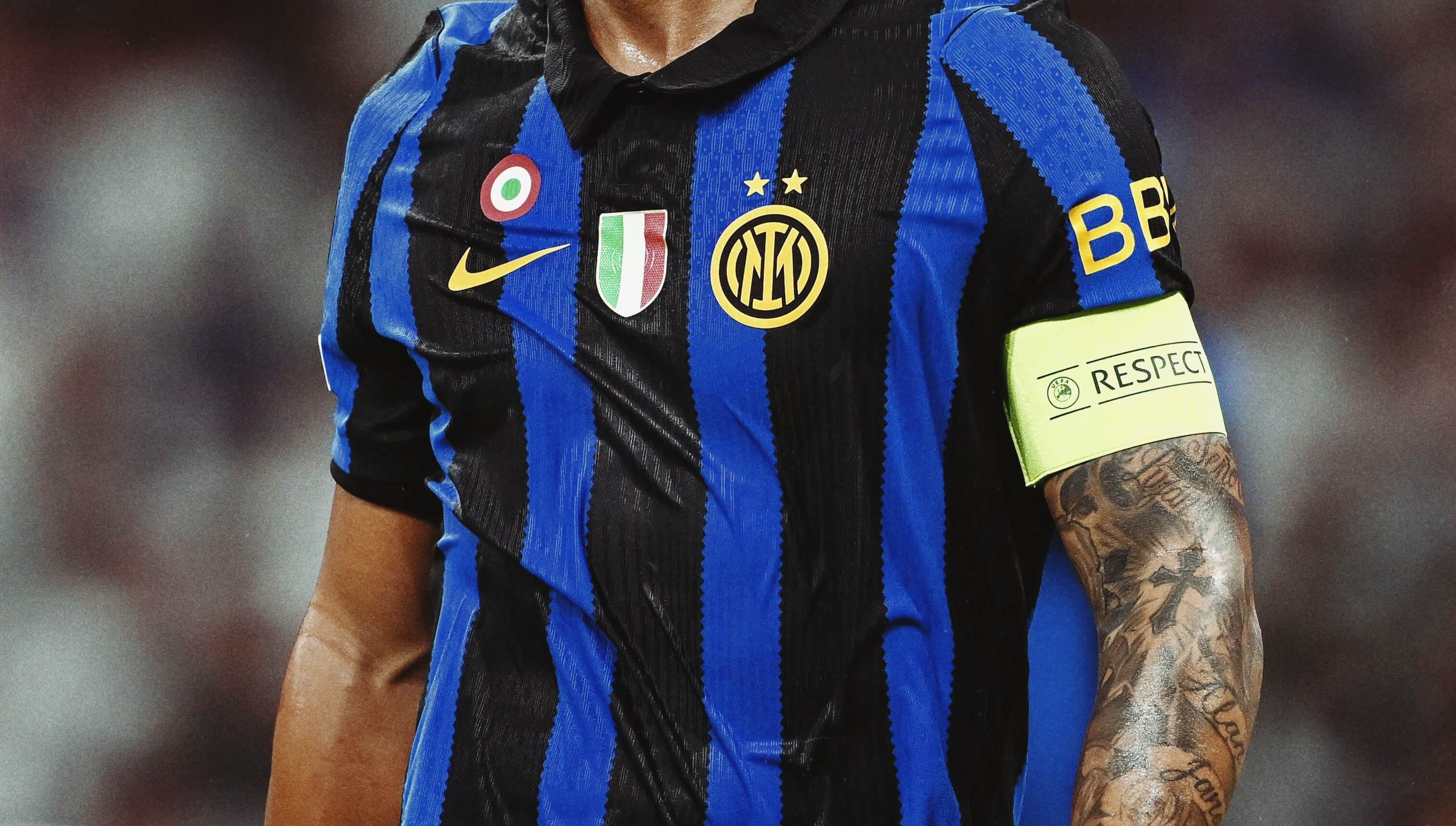
At the same time, football boots offer more room than the shirt. Kit suppliers and sponsors on a shirt are determined by a club’s contracts, with those spaces usually committed for longer periods. Many professionals, however, have individual boot deals with brands that do not necessarily also supply their club.
There is more flexibility during a season, too: players can repeatedly switch between new colourways and special-edition boots. Special shirts and occasional collaborations with fashion brands exist as well, but they remain rare.
Then there is the connection to the individual player. The collaboration can be tied to their personal image. A brand can select an athlete whose style and public image align with its own. Together with the player’s boot supplier, it can create a special model and gain visibility directly on the pitch through that player.
In 1998, Jil Sander took elements of the football boot onto the street. Almost three decades later, Rayan Cherki wore an F50 with a large Arte logo on the side in Porto.
There would have been no room for it on his shirt.