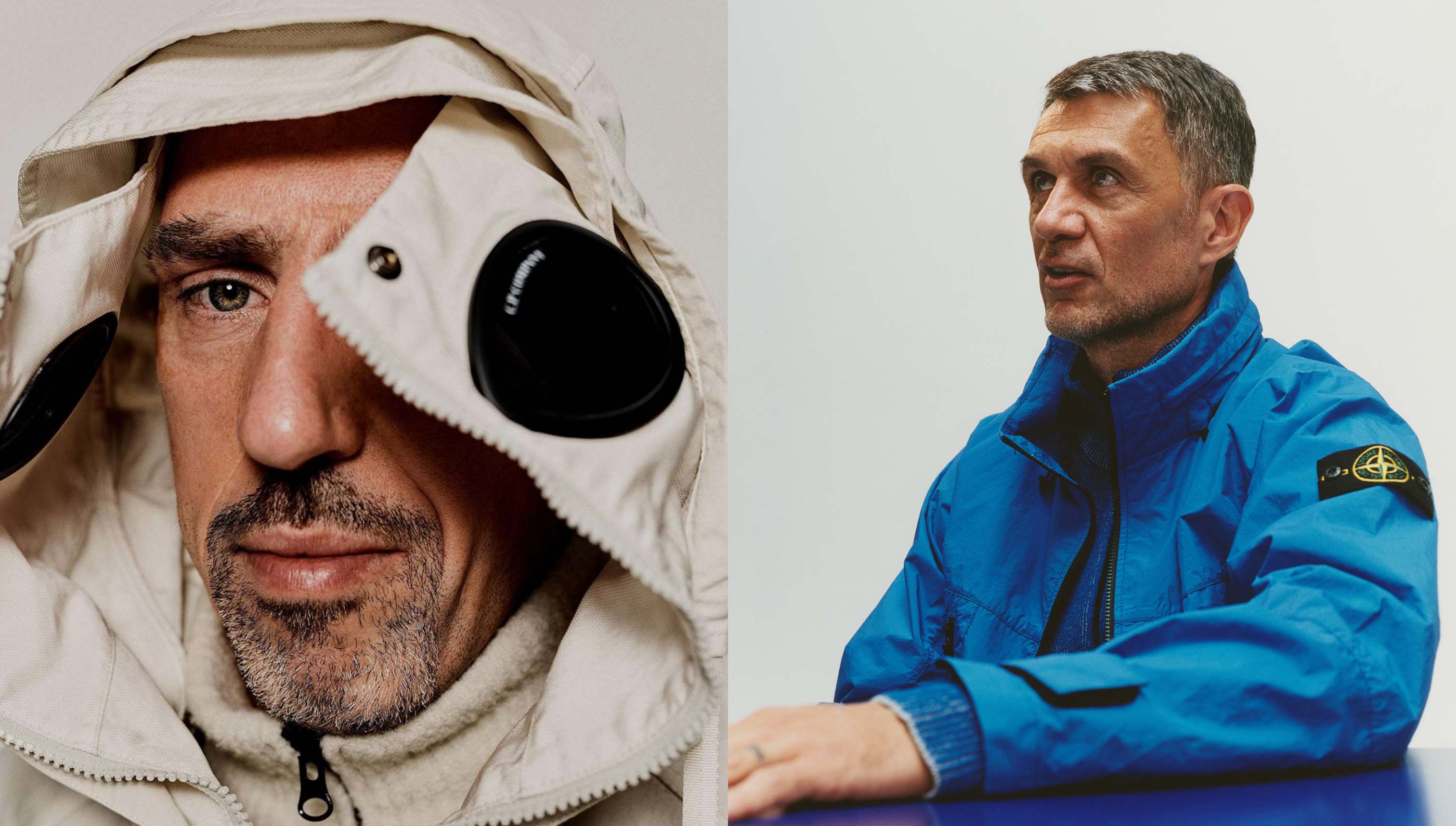

























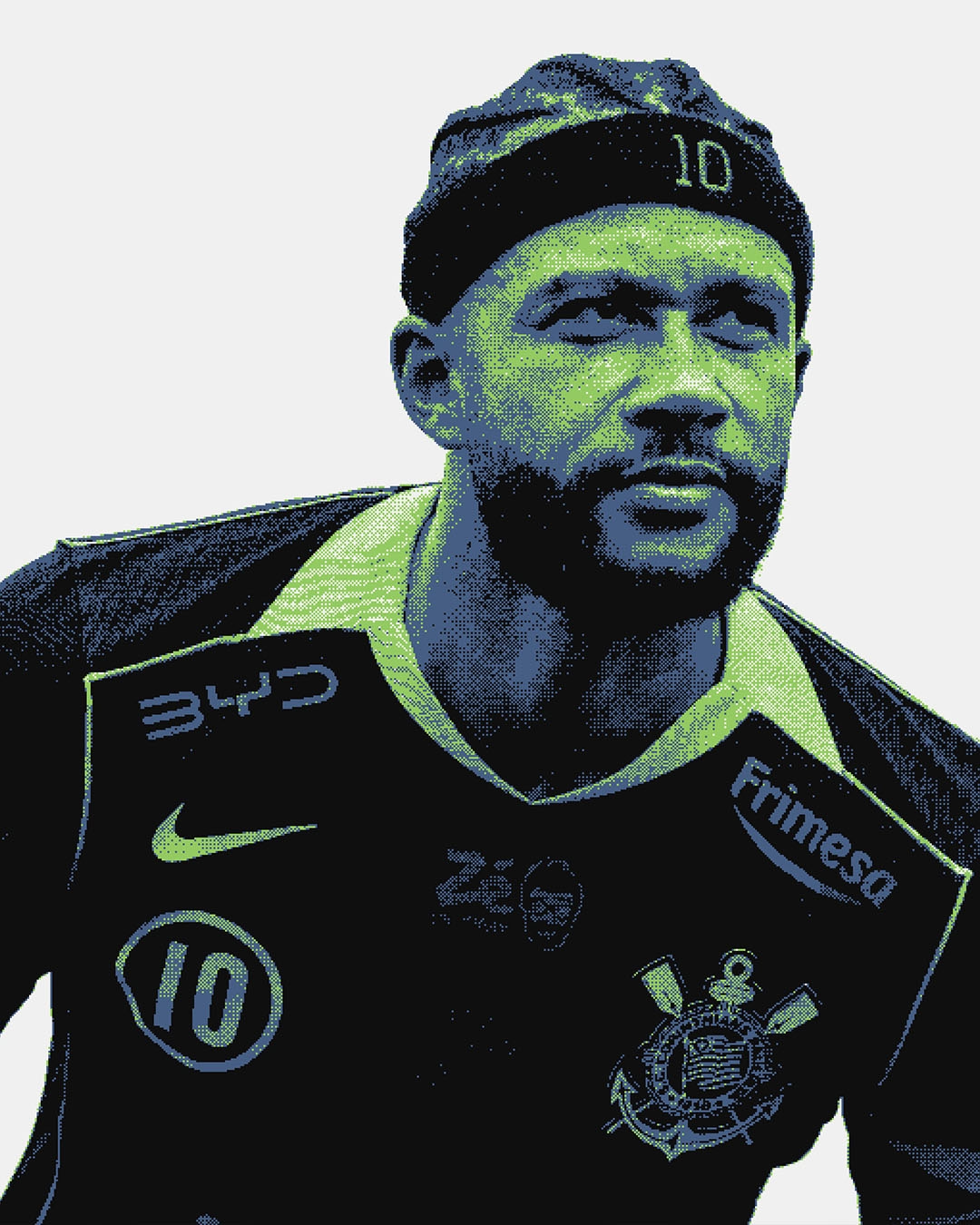
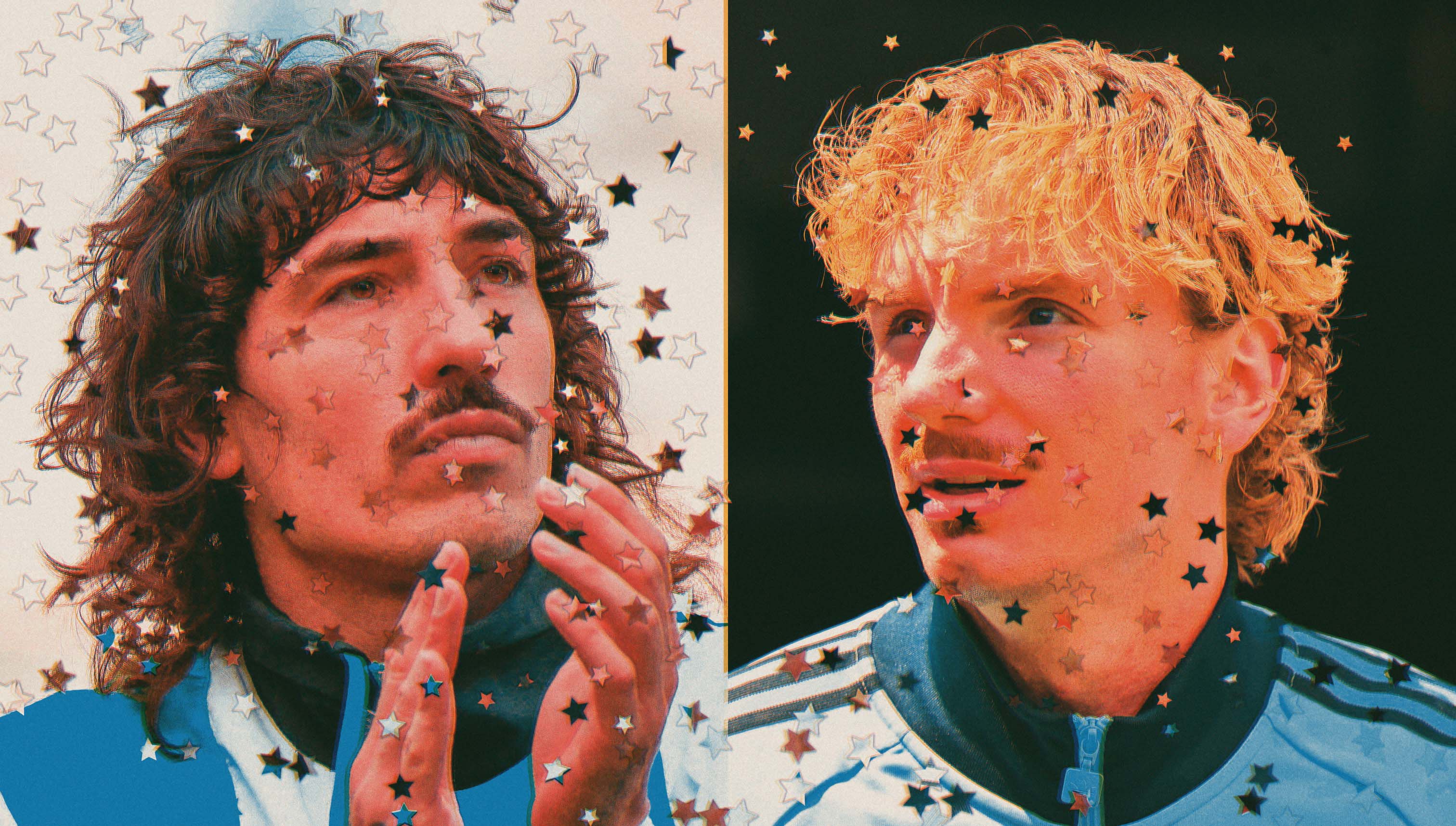




Roberto Baggio, Franck Ribéry, Paolo Maldini, Hidetoshi Nakata: C.P. Company and Stone Island keep turning to familiar faces from football for their campaigns. But what has actually connected these two Italian brands to football for decades – and why do these particular names fit them so well?
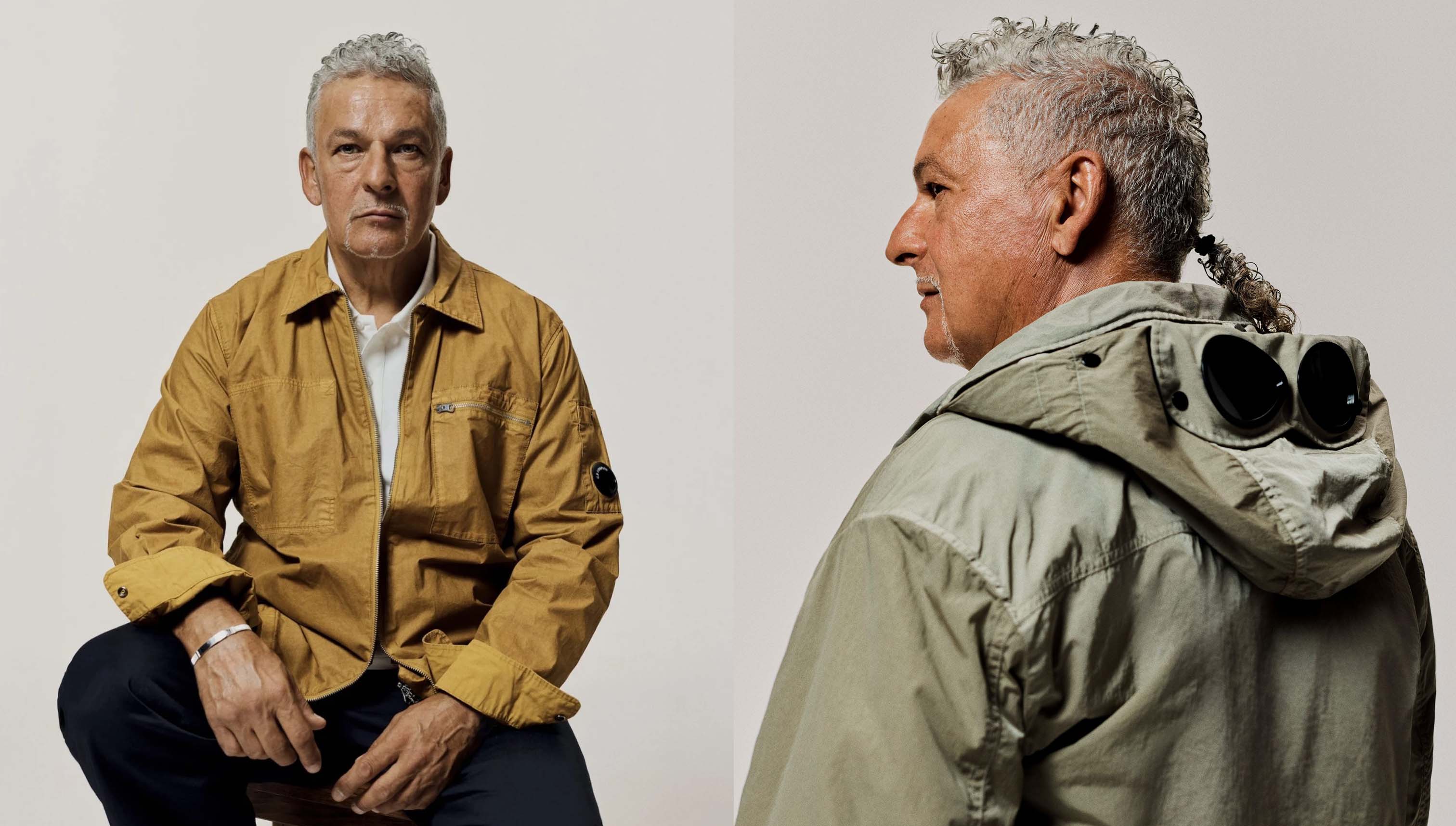
Roberto Baggio is the face of C.P. Company's current campaign. Shortly before him, Franck Ribéry had fronted one for the brand. Stone Island turned to Paolo Maldini this spring, having previously worked with Hidetoshi Nakata.
Four names from different generations, two Italian brands – and a connection to football that began long before these campaigns.
How C.P. Company and Stone Island Found Their Way to the Terraces
The story of both brands begins with Massimo Osti. In 1971, the Italian designer founded the label Chester Perry in Bologna, initially known for printed T-shirts. Following a trademark dispute, Chester Perry was renamed C.P. Company in 1978. In the years that followed, functional clothing, new materials and dyeing techniques defined Massimo Osti's work.
Stone Island followed in 1982 – born from an unusual material: a double-sided, resin-treated fabric used for truck tarpaulins. Because it was initially too stiff for clothing, Massimo Osti subjected it to an intensive stone-washing process. The resulting fabric, “Tela Stella,” was made into seven coats and jackets in six colours. The project differed so clearly from his other work that it earned its own name: Stone Island.
Around the same time, in the early 1980s, the style on the terraces of British football grounds began to shift. The emergence of a distinct fashion culture on the terraces is documented by contemporary sources: in July 1983, the British music and style magazine The Face devoted four pages to the new way football fans were dressing. Names like Fila, Sergio Tacchini, Ellesse and Lacoste feature in it.
C.P. Company and Stone Island found their audience in this environment too. Yet according to the brands themselves, their ties to football were never the result of a deliberate marketing strategy.
Lorenzo Osti, son of founder Massimo Osti and today the brand's president, told Highsnobiety in August 2023 that C.P. Company had never deliberately targeted football fans. Stone Island chairman Carlo Rivetti described a similar relationship with the sport to SoccerBible in December 2016: the brand had neither pursued football nor distanced itself from it. “We were chosen,” as he put it.
Lorenzo Osti explained how C.P. Company became popular in Britain to Highsnobiety in June 2024: in the 1980s, Liverpool and other English clubs began travelling internationally, and their fans travelled with them. On those trips, they could come across clothing that was still largely unknown back home. C.P. Company was already available internationally by then: in 1981, the brand was sold in 500 shops in Italy and a further 200 abroad.
The travels of British football fans played an important role for Stone Island too. In Italy, the brand was worn by the Paninari, among others – a fashion-conscious youth scene that emerged in Milan. British fans encountered it on their trips to Italy and brought it back home.
In casual culture, knowing your clothes mattered too. Who recognised a brand before everyone else did? Who knew which model they were wearing, and where to get it?
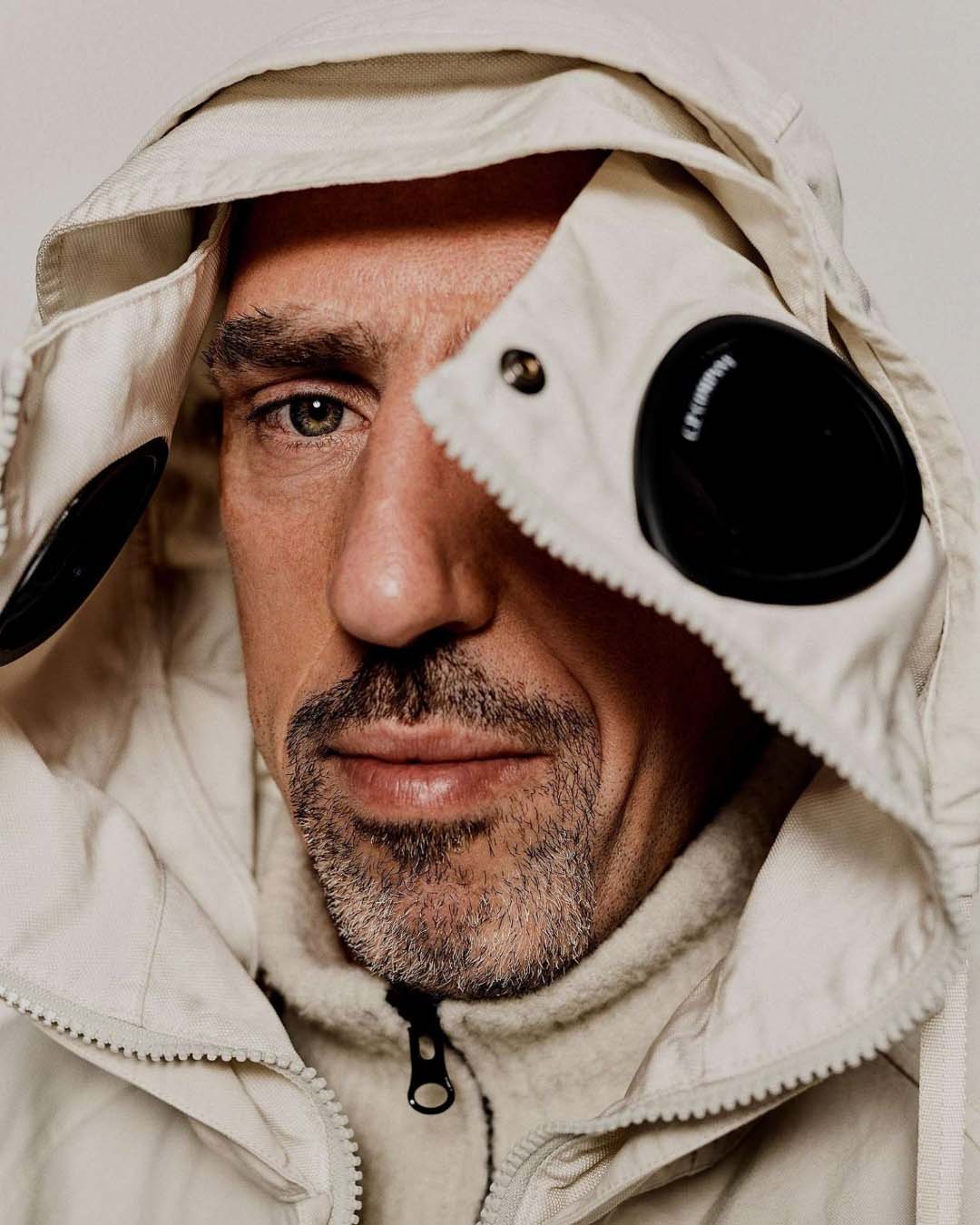
Over time, each brand became recognisable by distinctive details: Stone Island by the compass patch on the upper arm, C.P. Company by the lenses built into the hood of the Goggle Jacket.
This history also includes overlaps with the hooligan scene. Casual culture can’t be reduced to that, though. What emerged on British football terraces developed over the decades into a much broader fashion and subculture.
Today, this history forms the backdrop to the campaigns featuring Baggio, Ribéry, Maldini and Nakata. But why these four in particular?
Why Baggio and Ribéry Fit C.P. Company
For Baggio, the answer begins in Bologna. But the connection goes further: as the 1993 Ballon d'Or winner and a defining figure of the Italian national team of the 1990s, he's among the best-known players of that era in Italian football. He spent only one season in Bologna, scoring 22 league goals in 1997/98. Nearly three decades later, the city also features in his C.P. Company campaign: together with Lorenzo Osti, Baggio visits the brand's archive.
Baggio had already appeared on the cover of the fifth issue of the brand's magazine, “Arcipelago,” in 2024. The interview was conducted by his daughter, Valentina. The new campaign picks up where that left off – this time in Bologna. But Baggio isn't the only former footballer C.P. Company has turned to recently.

In July 2026, the brand released its Autumn/Winter campaign with Ribéry. He spent his defining years at Bayern Munich: twelve seasons in Munich, nine German titles and the 2013 treble. Towards the end of his career, he also played in Italy, first for Fiorentina and then for Salernitana. C.P. Company described his appearance as a continuation of the brand's own relationship with the international football community.
Why Stone Island Turned to Maldini and Nakata
Stone Island, for its part, features former footballers in its “Community as a Form of Research” series, which brings together people from different cultural fields. Nakata was part of the Spring/Summer 2025 campaign, Maldini followed for Spring/Summer 2026. For the portraits, the subjects answer questions compiled by curator Hans Ulrich Obrist.
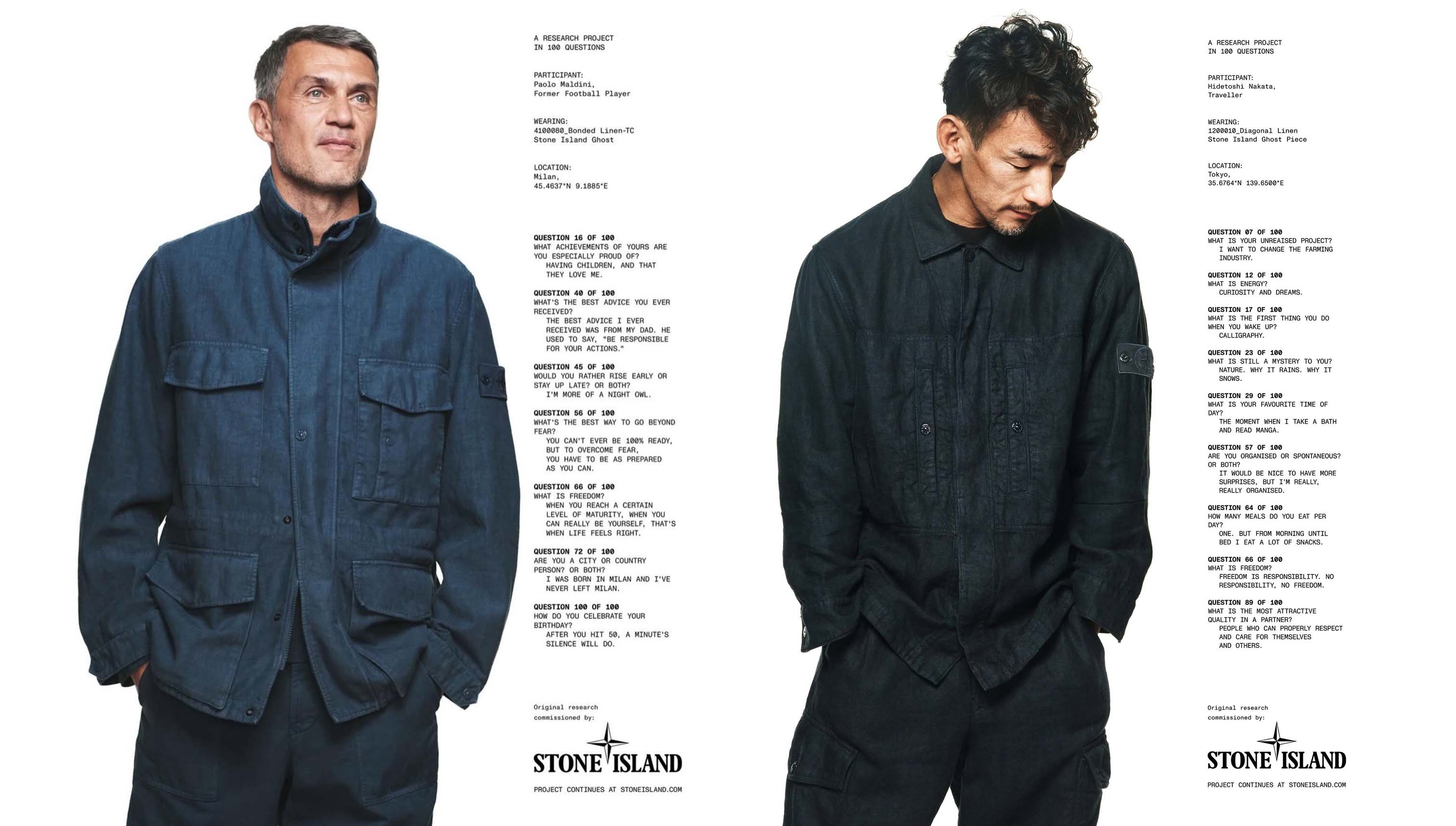
Maldini spent his entire professional career at AC Milan – 25 seasons that made him one of the great names in Italian football. For Stone Island, Maldini represents a football history that reaches back to the era when the brand itself became part of football culture.
Nakata brings a different story. He played in Italy and England, represented Japan at international level – and had already fronted a Calvin Klein campaign back in 2010.
Why These Football Icons Work So Well for C.P. Company and Stone Island
Fame alone doesn't explain the impact of these names. The audiences C.P. Company and Stone Island reach today matter too.
Stone Island chairman Carlo Rivetti told Sabukaru in 2017 about a younger generation that had since found its way to the brand and felt the same way about Stone Island as people from the 1980s. CEO Robert Triefus described an important customer type for the brand, the “Navigator,” to Business of Fashion in July 2026, as typically 35 to 55 years old – though for him, attitude matters more than age. Lorenzo Osti, too, spoke to Streetwear Jobs in 2020 about a “more mature audience” alongside younger customers at C.P. Company.
That makes it easier to understand why these particular names work so well: Baggio, Maldini and Nakata shaped football in the 1990s and 2000s, while Ribéry's best years stretched well into the 2010s. By then, C.P. Company and Stone Island had long been part of European football and casual culture.
For part of their audience, both belong to the same decades: Baggio, Ribéry, Maldini and Nakata on the pitch, C.P. Company and Stone Island on the terraces. Decades later, the campaigns bring those memories back together.