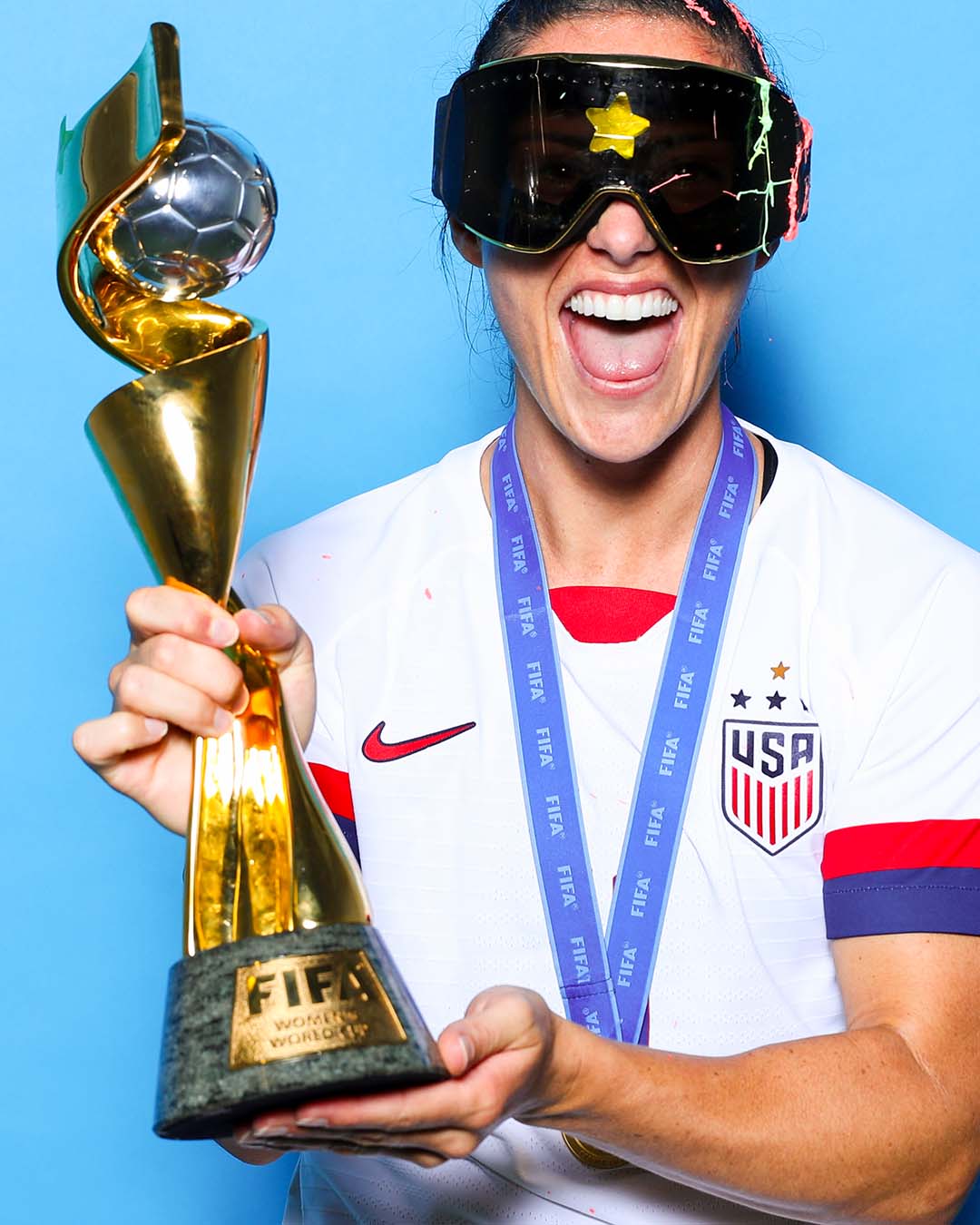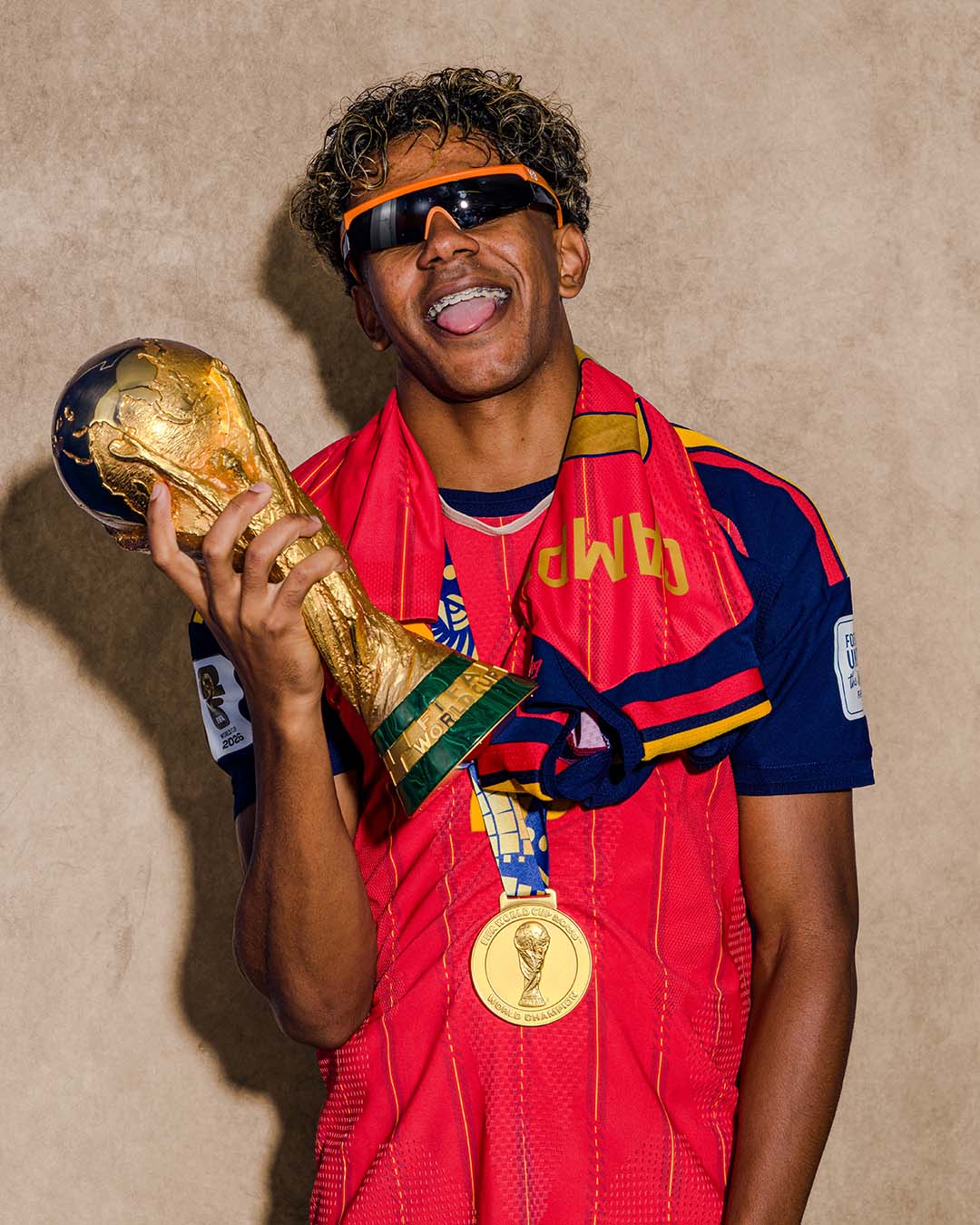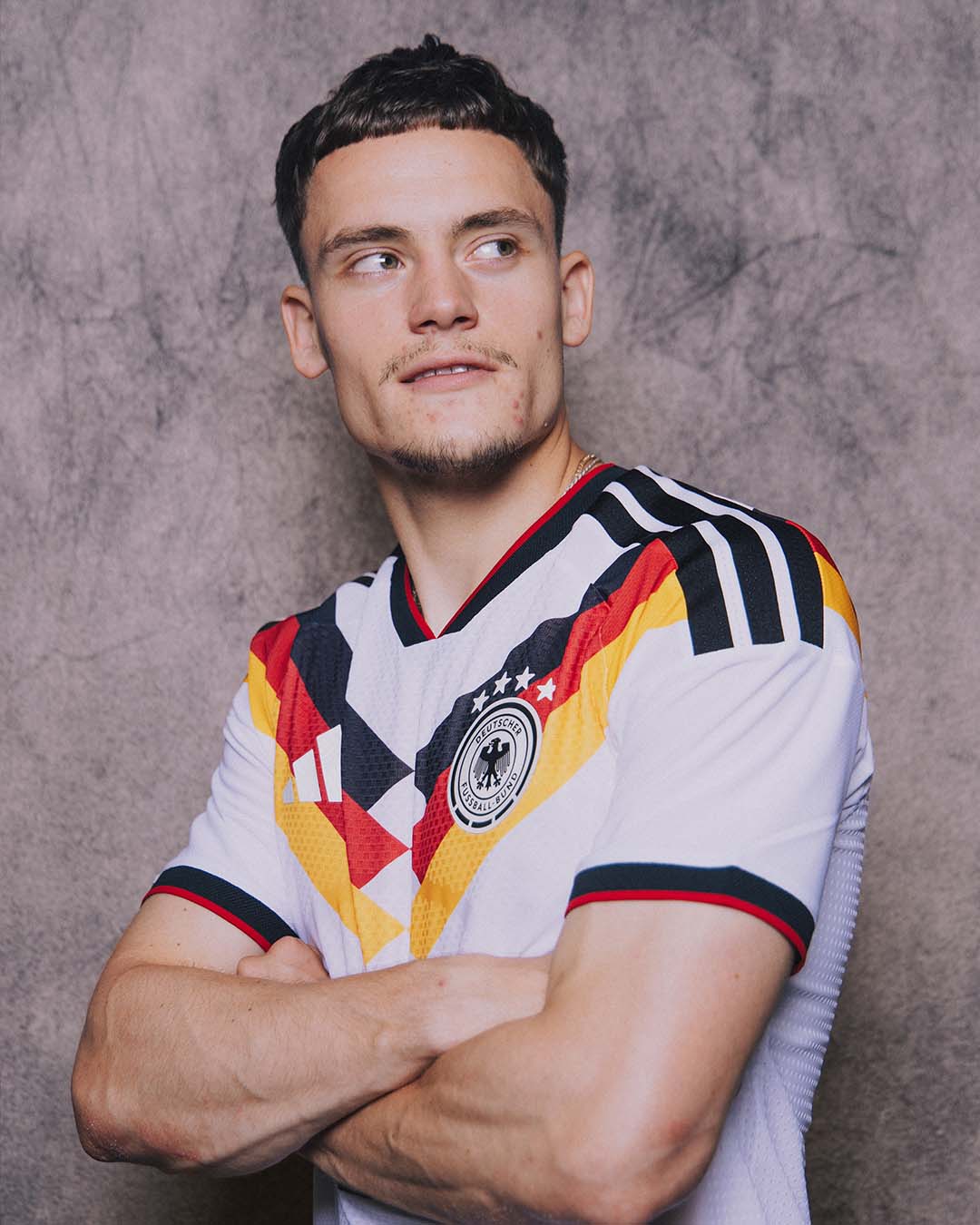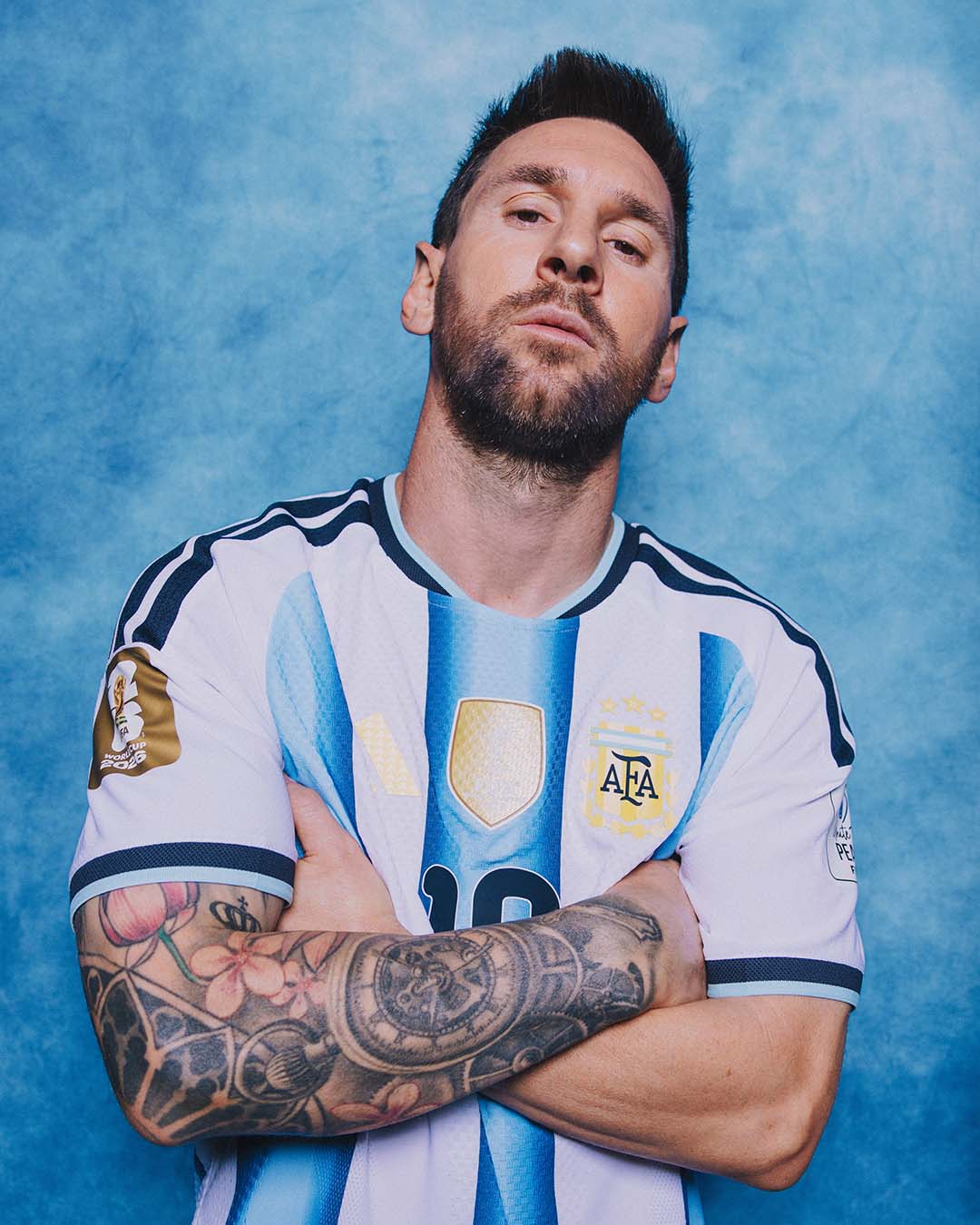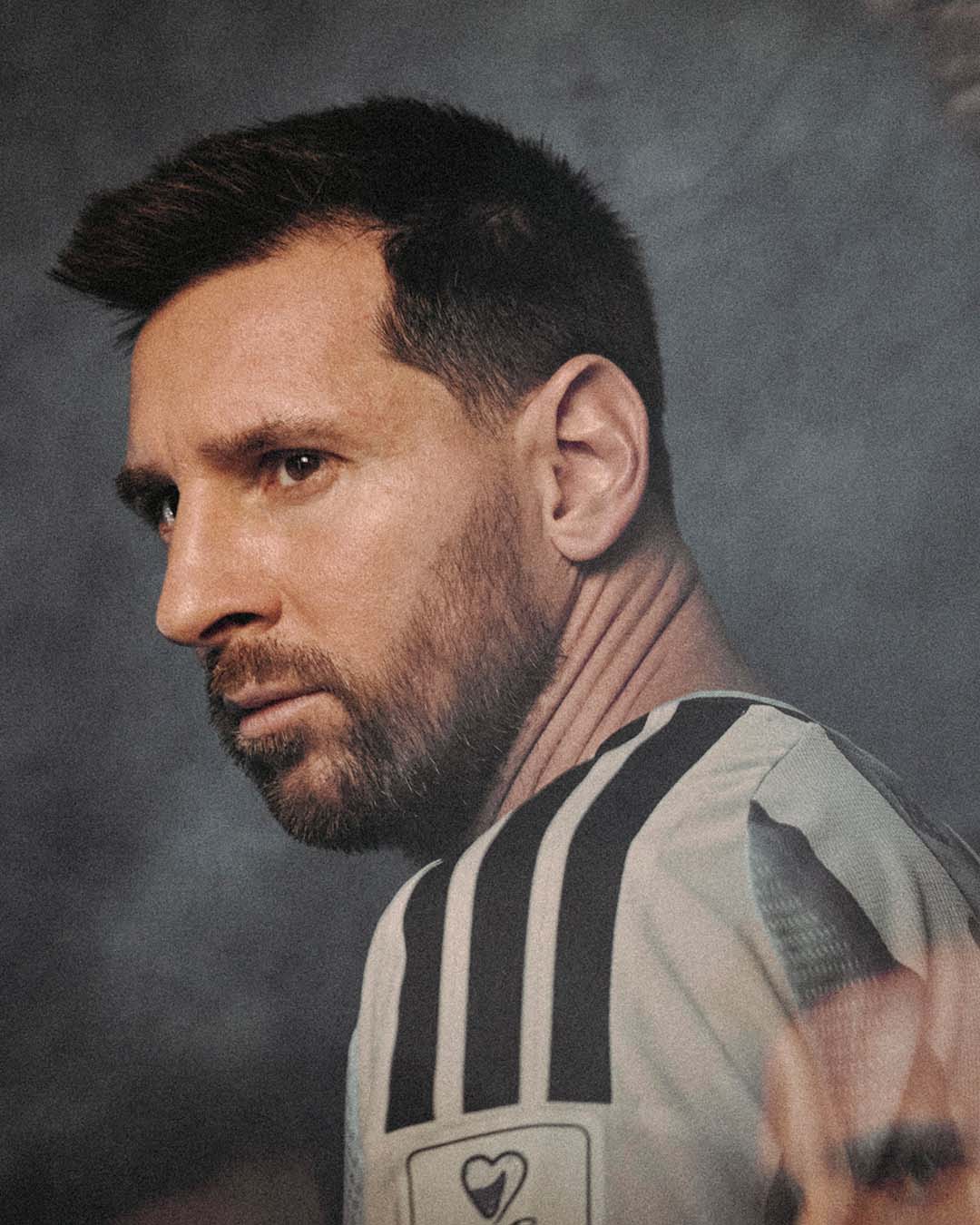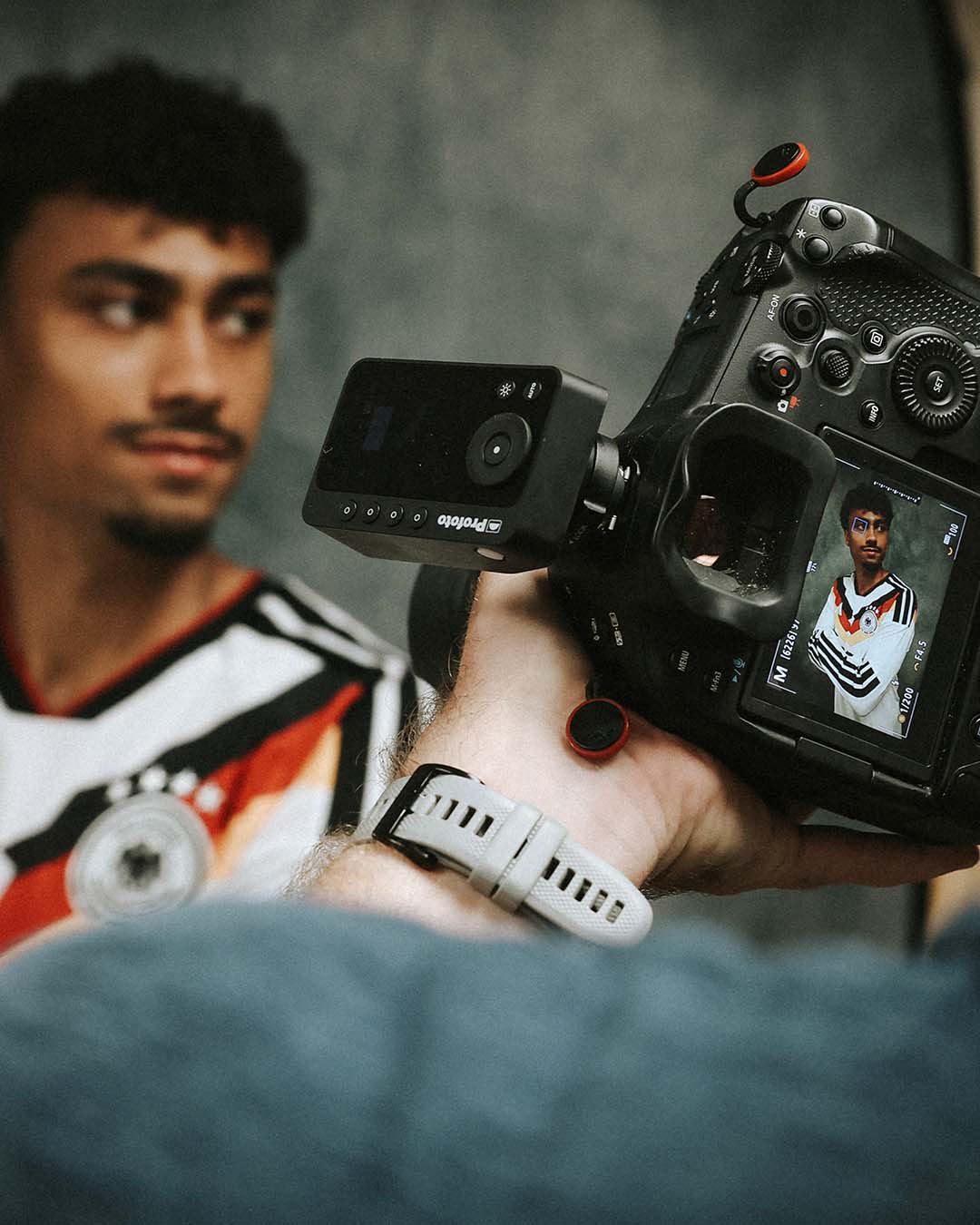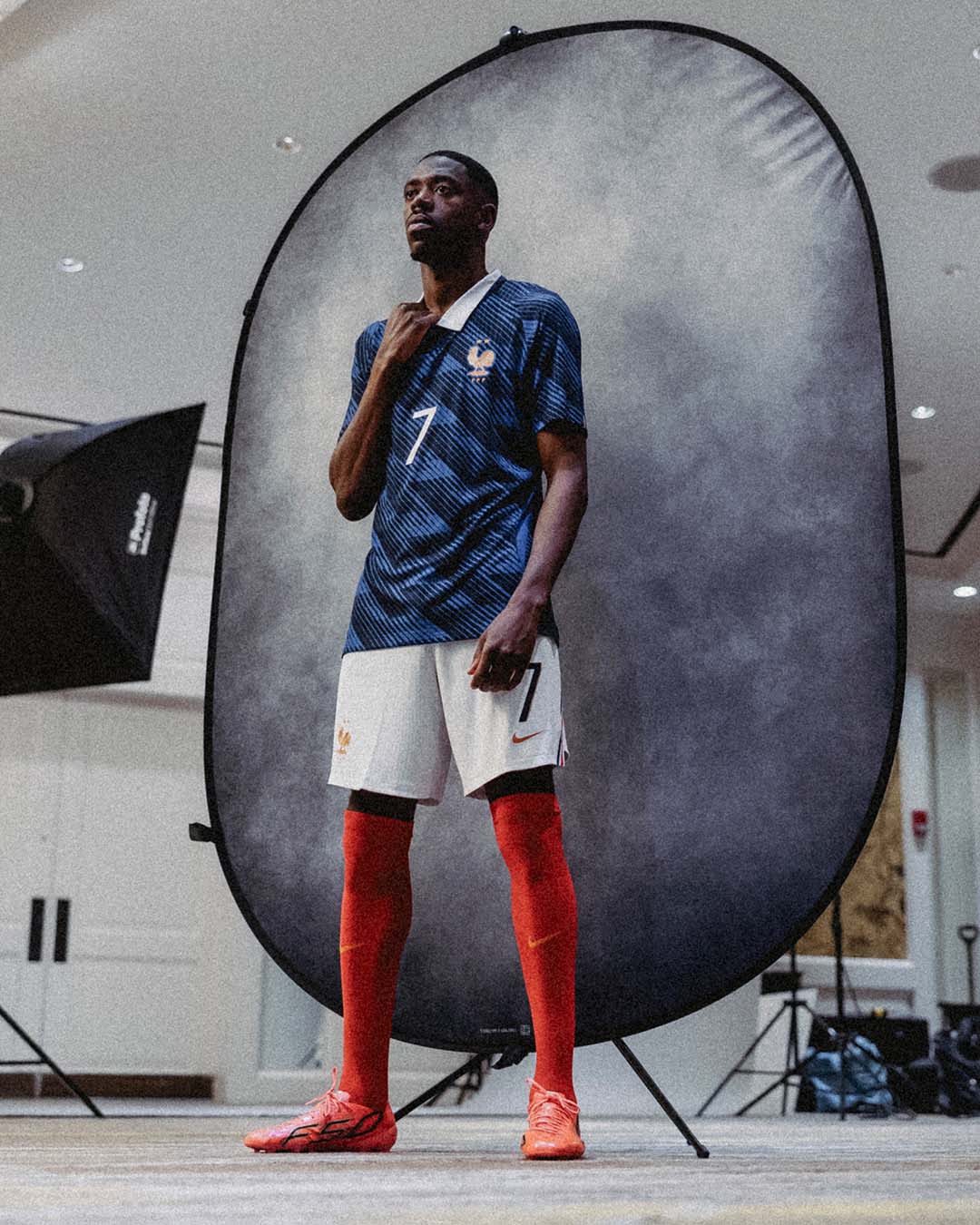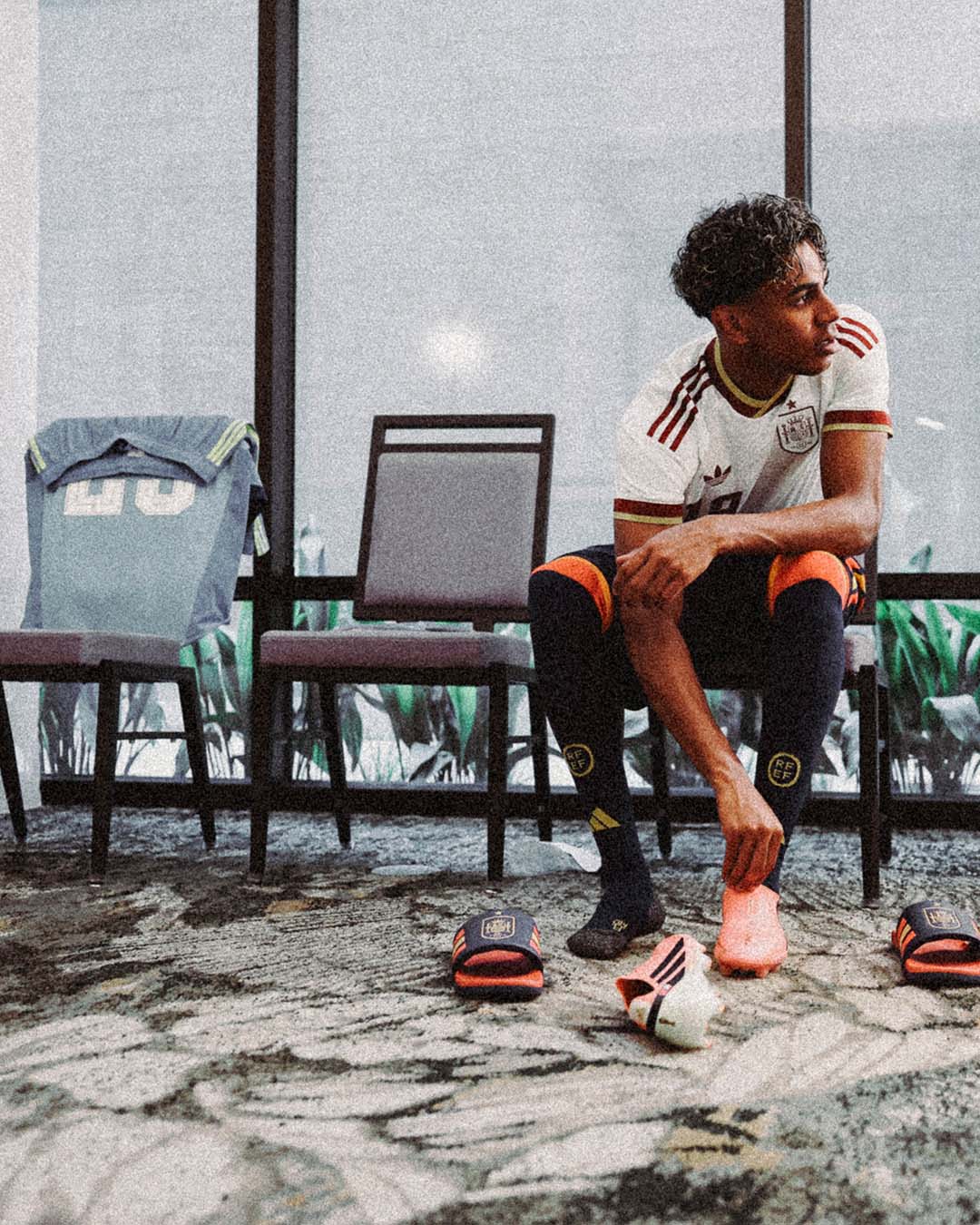



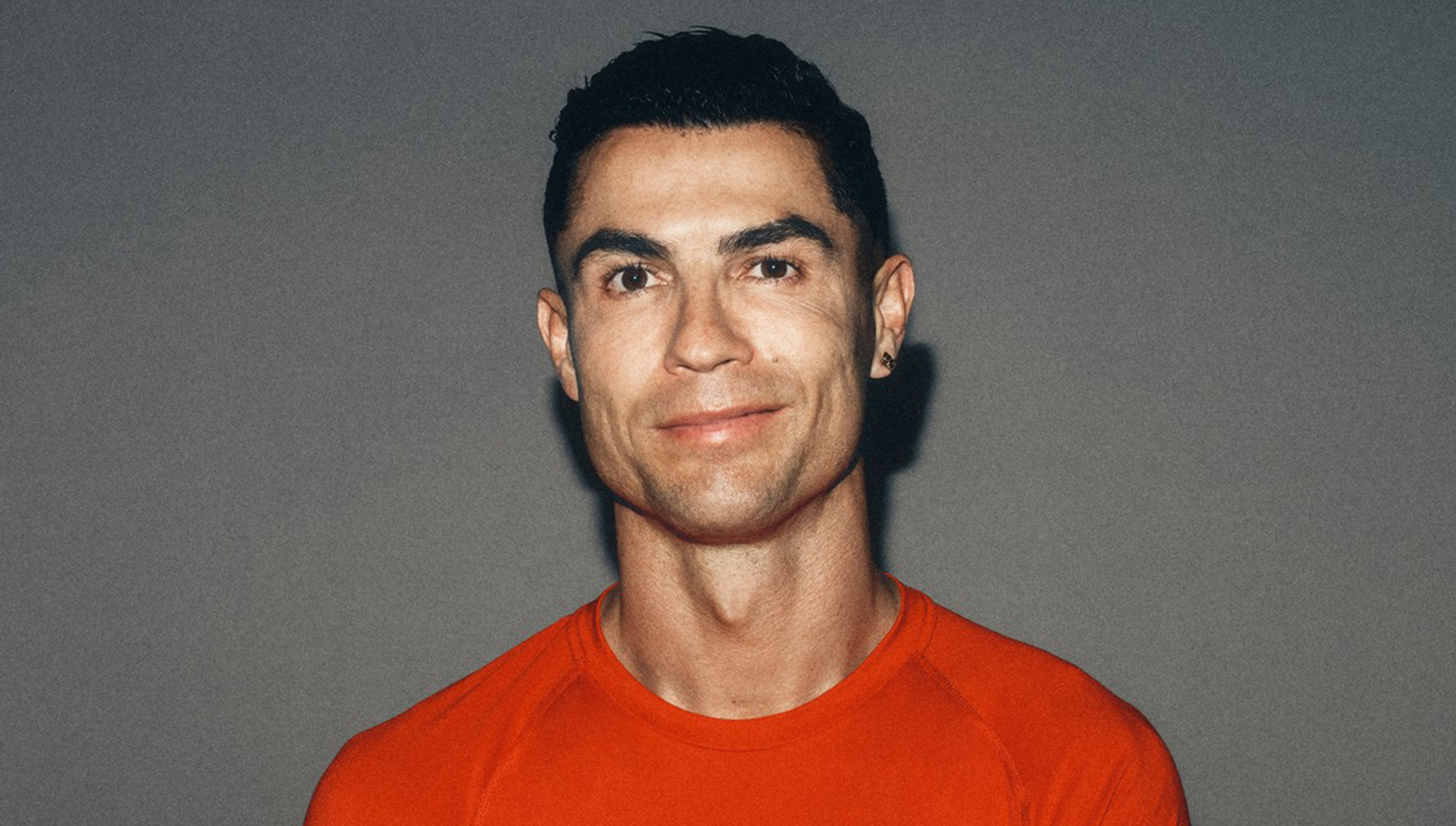
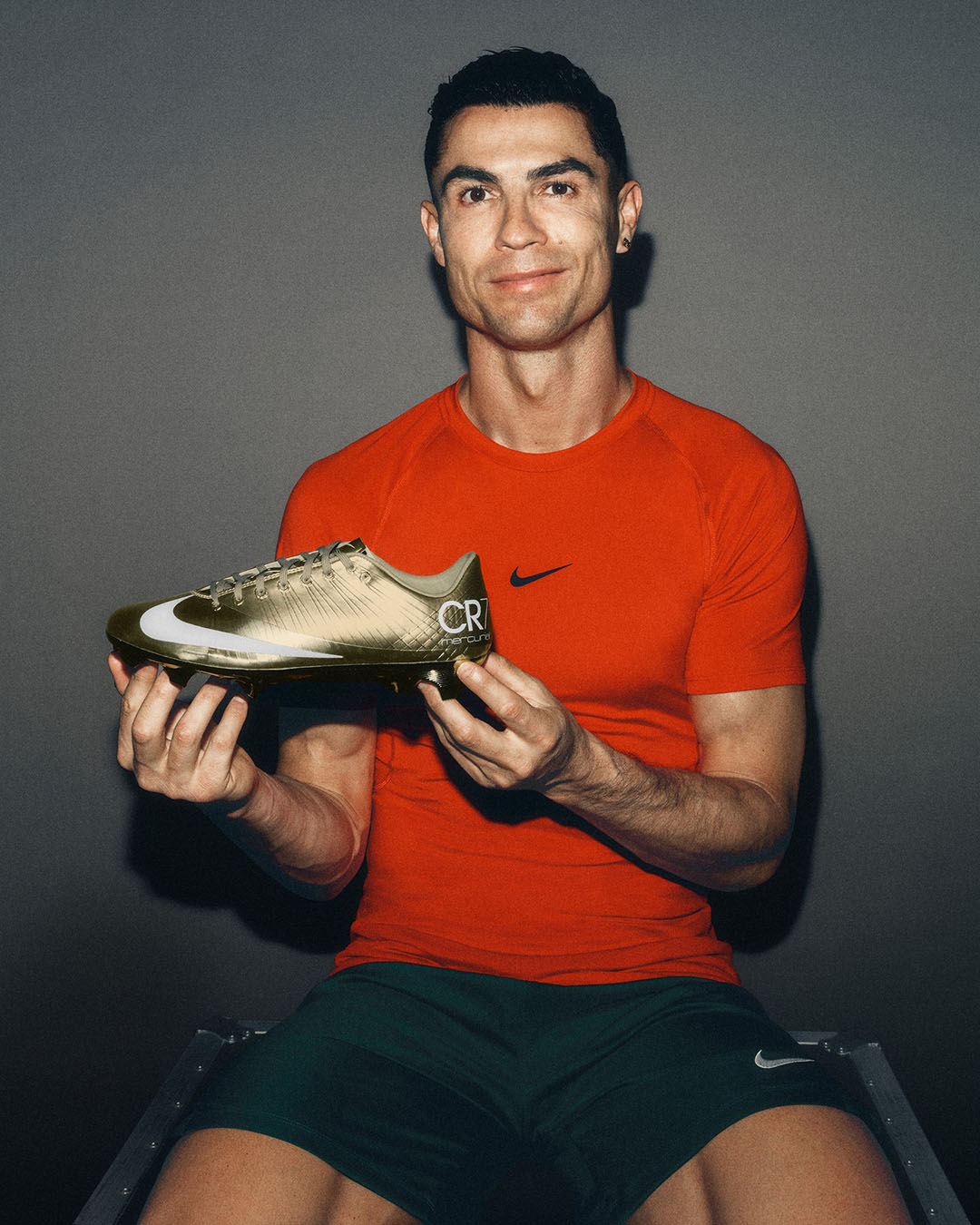





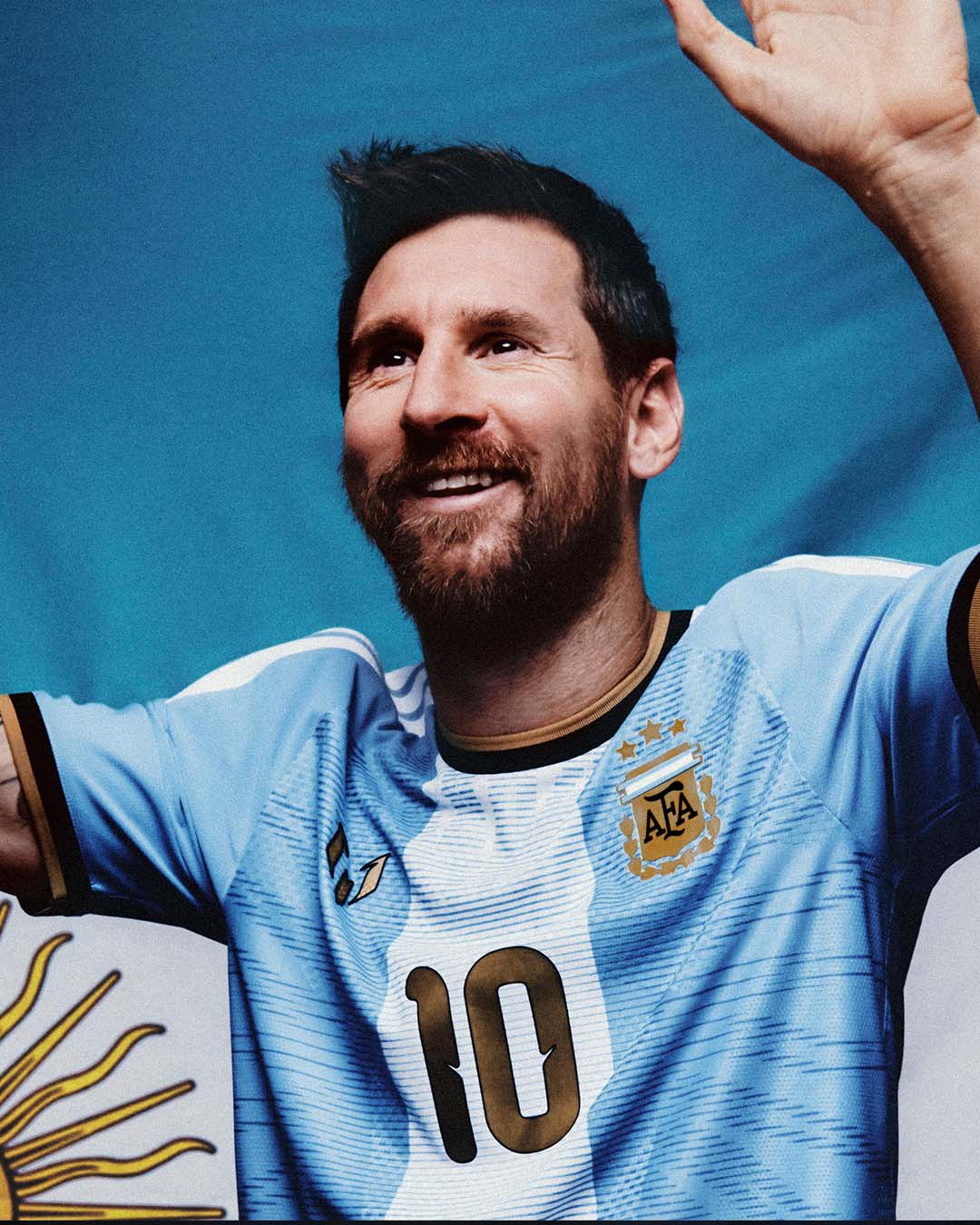


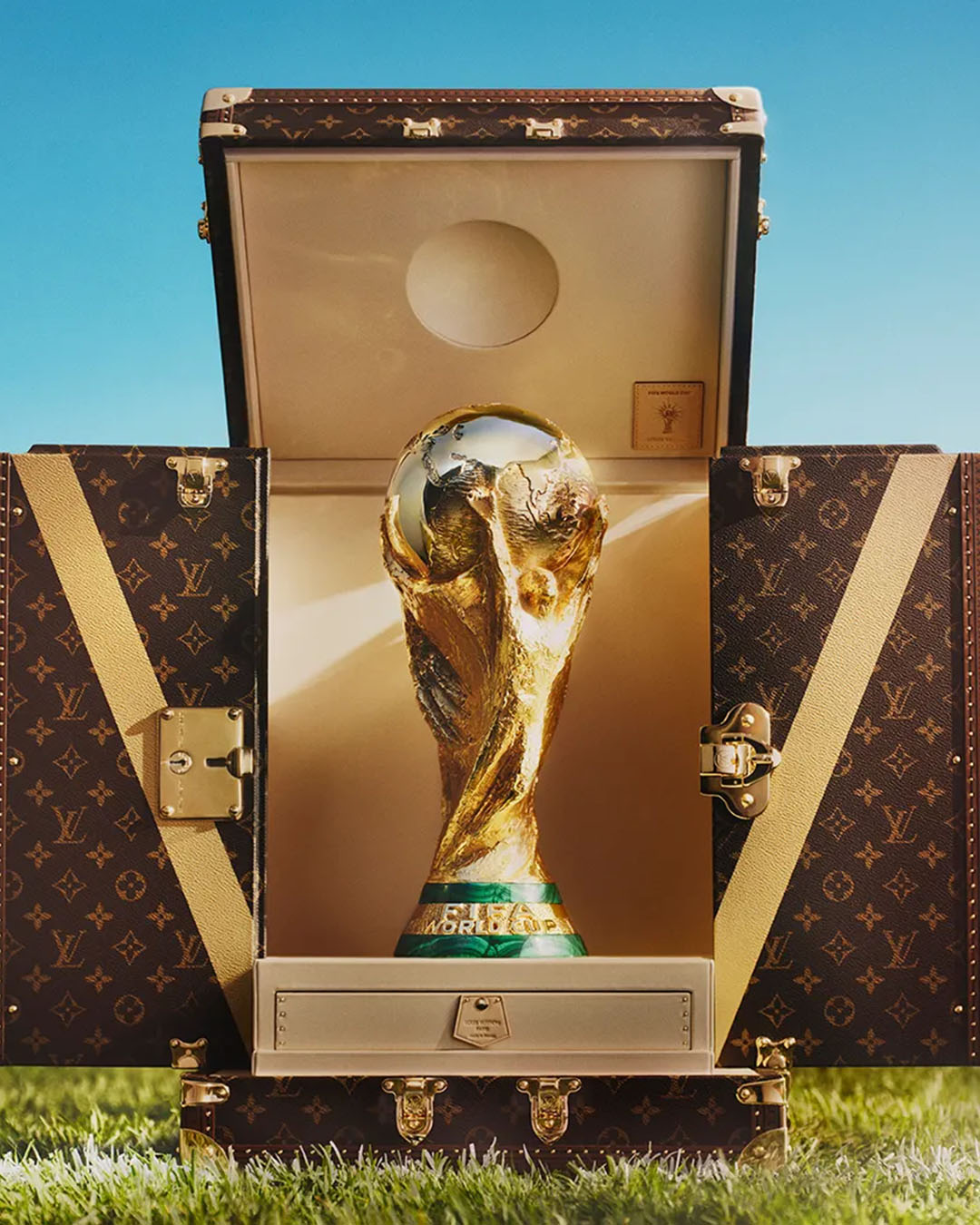


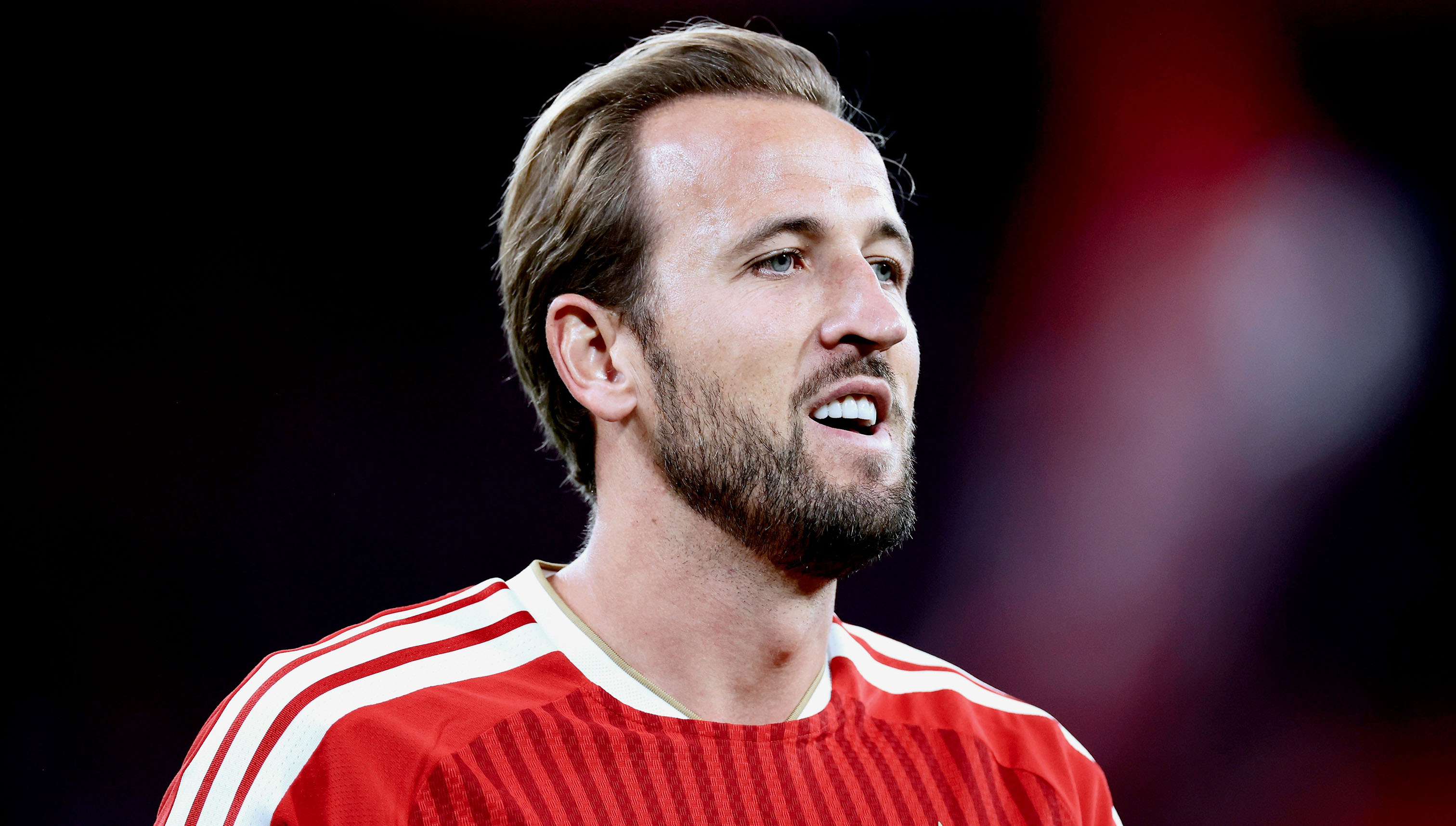

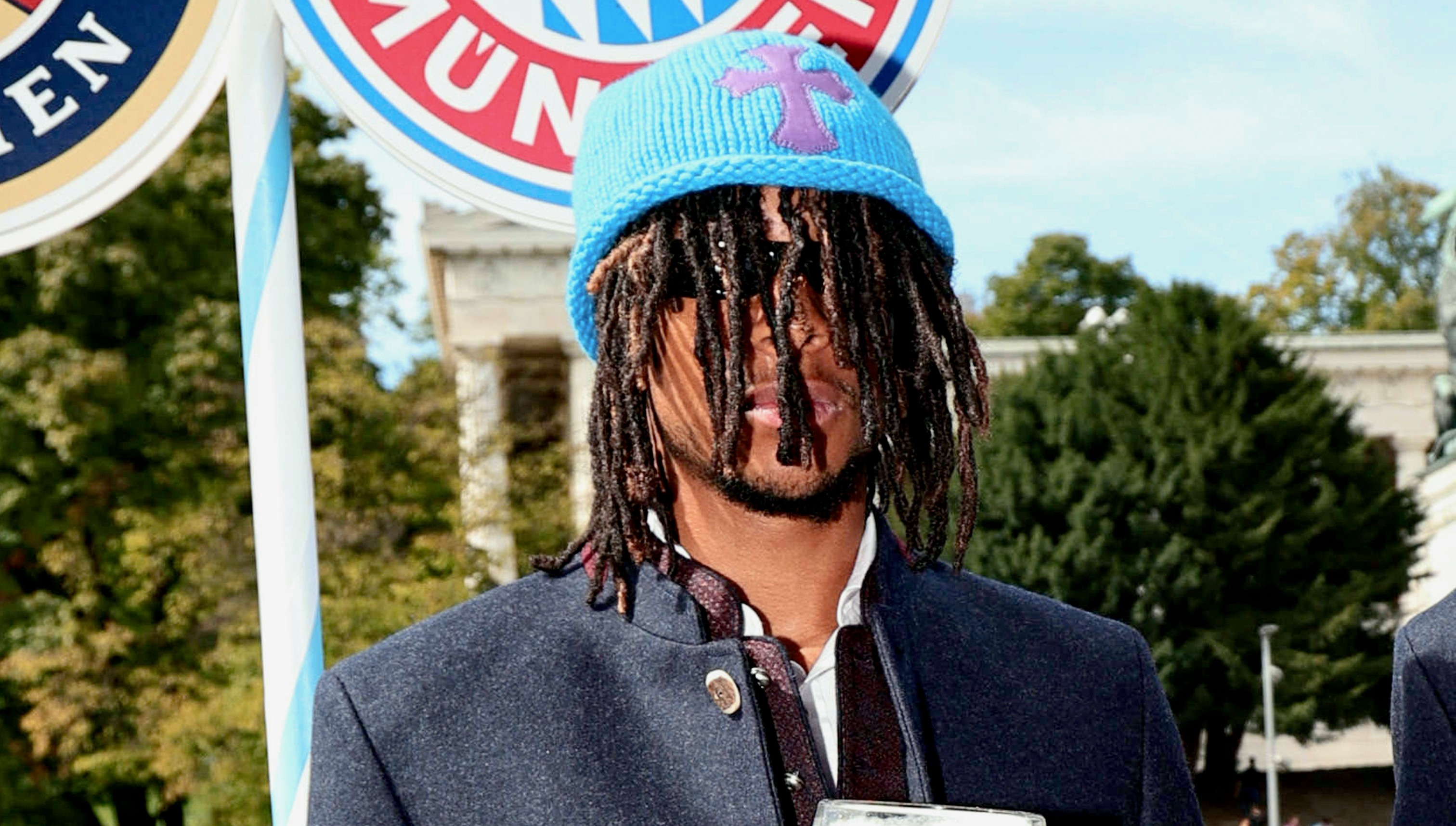




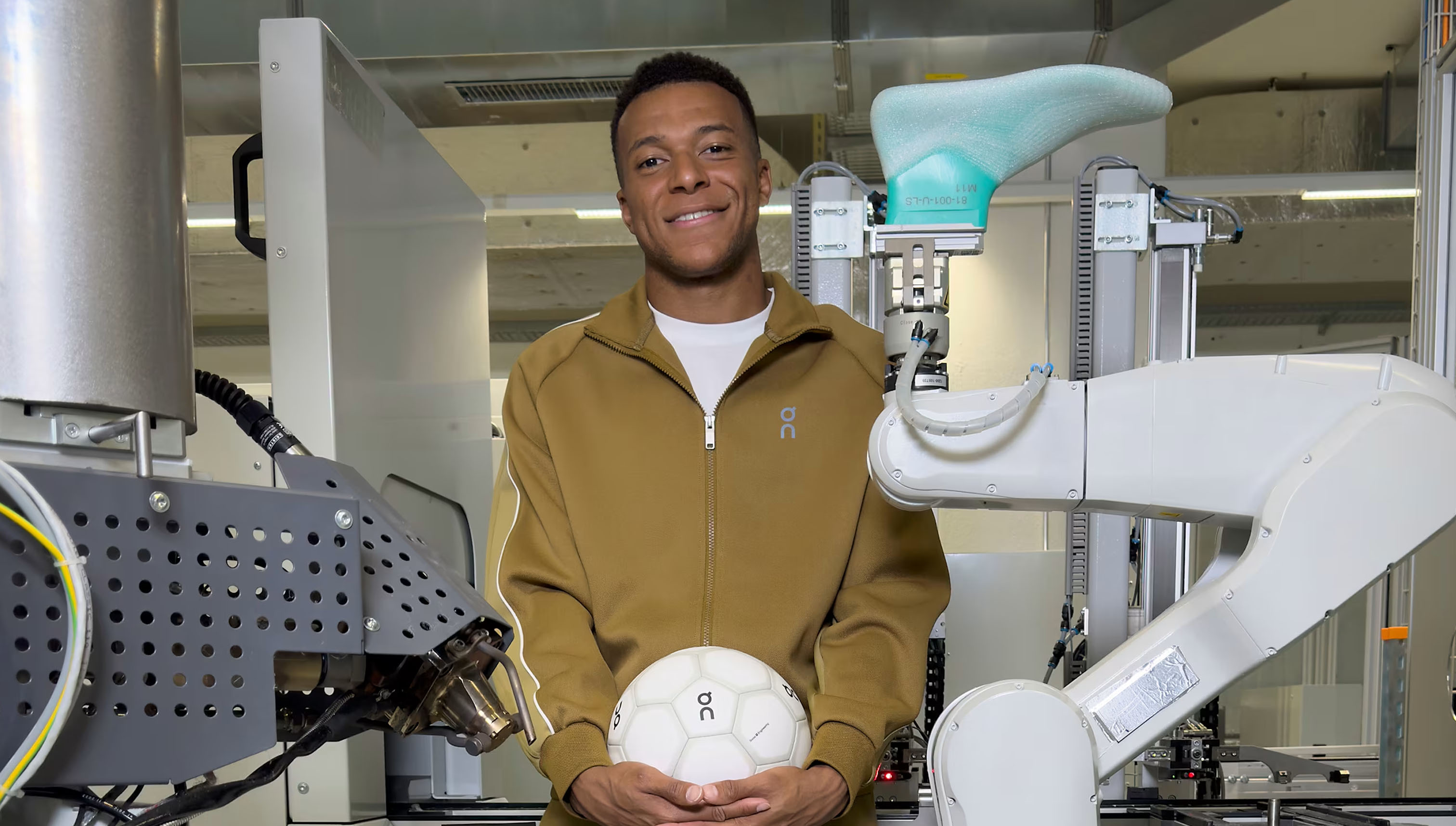
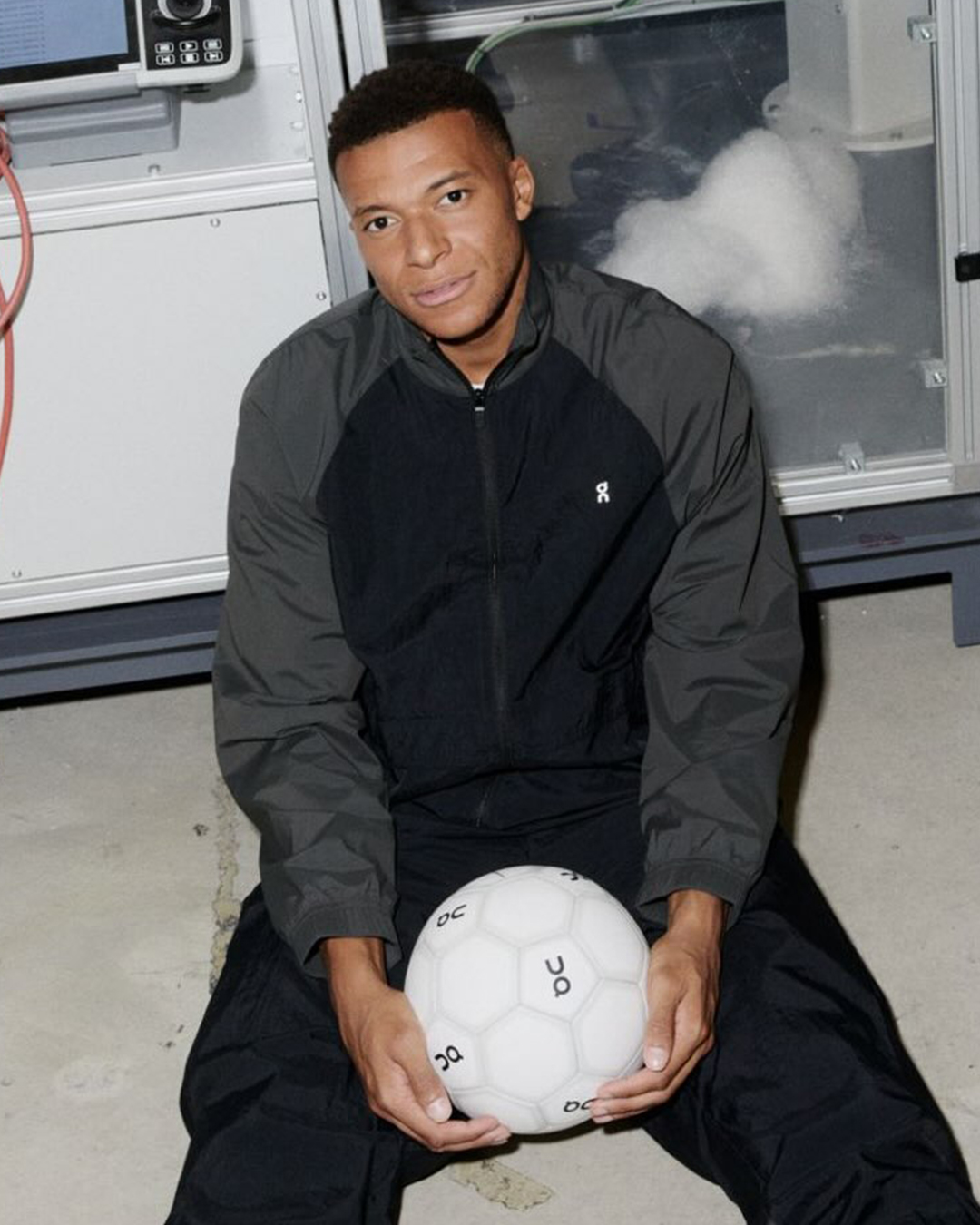
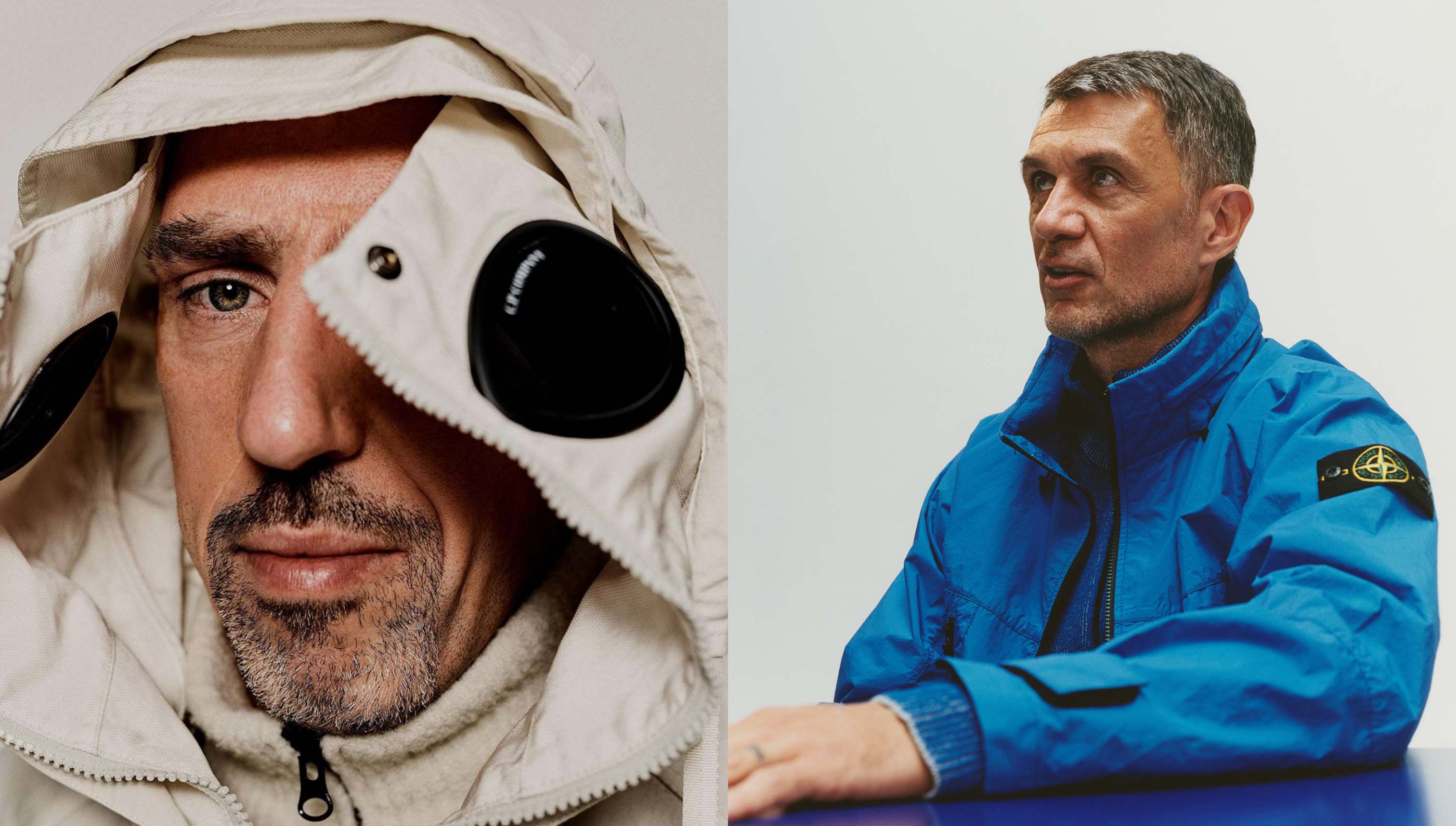
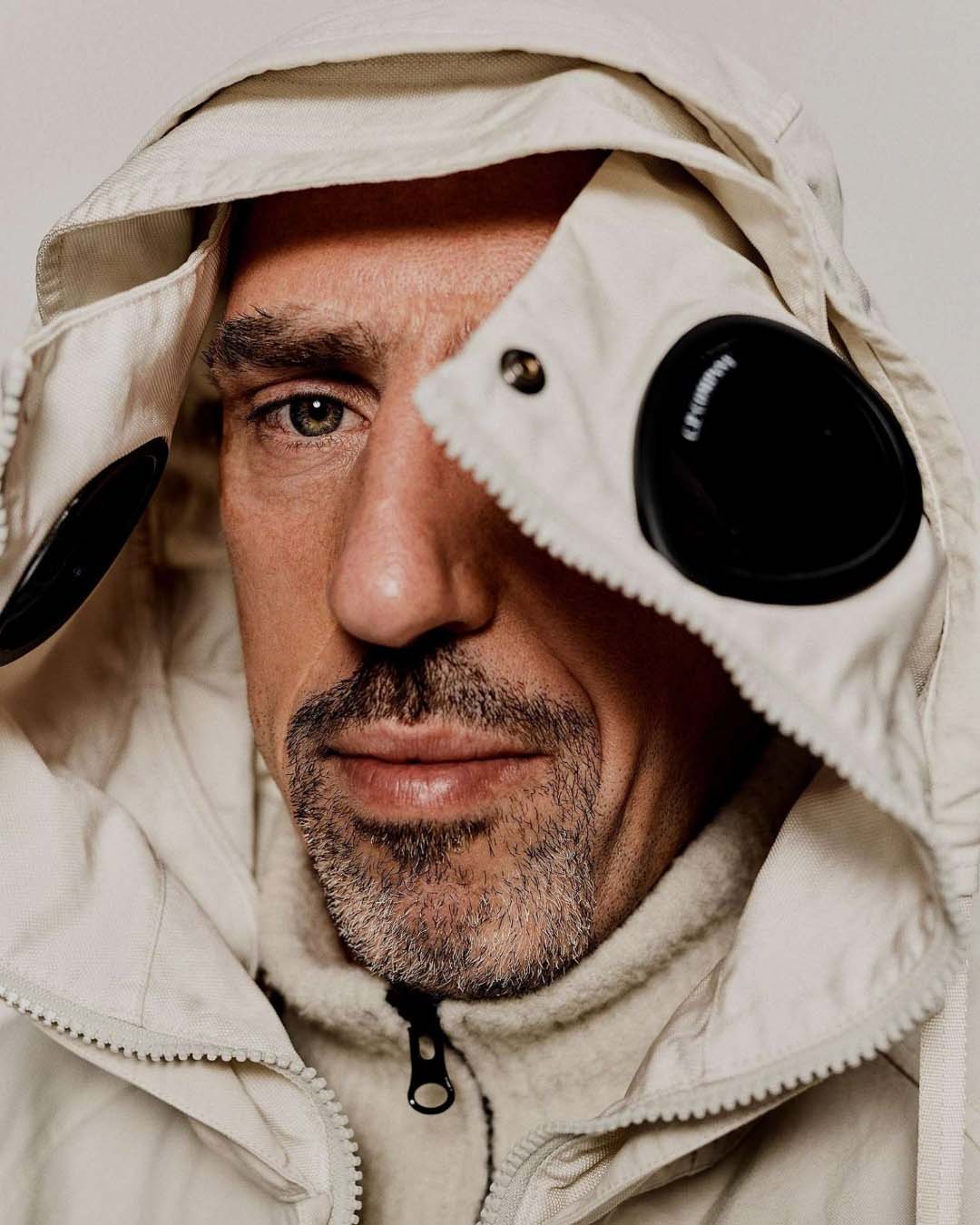




Hotel corridors as studios, four minutes per superstar, a coach who refused to pose: Matthias Hangst of Getty Images explains how the official World Cup portraits are made, and why they look so different today.
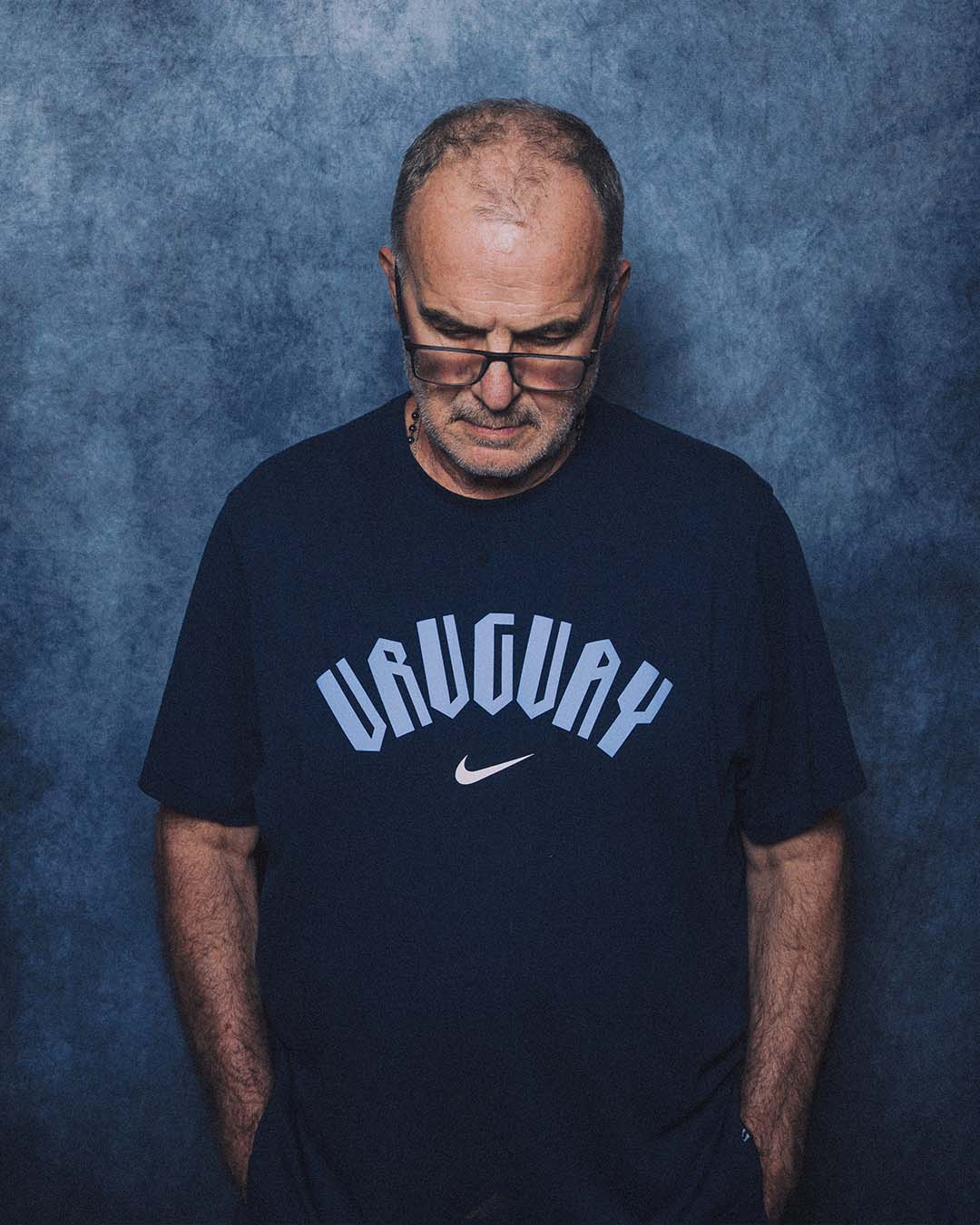
Marcelo Bielsa had no interest in being photographed. At the official portrait shoot for the 2026 World Cup, Uruguay's head coach refused to look into the camera; the image was published anyway and travelled around the world. When journalists asked him about it, Bielsa replied drily: "I'm not a model."
Of all things, this anti-portrait became one of the most talked-about images of the tournament. And in a single frame, it tells the story of a fundamental shift in football photography: official player portraits are no longer passport photos, they have become character studies.
Photo Gallery Block
"This image radiates great authenticity," says Matthias Hangst about the shot taken by his colleague Michael Regan. "I think he artfully captured the truth of that moment." Hangst is Director of Sports Photography for EMEA and APAC at Getty Images, FIFA's official photo agency. He himself has covered eleven Olympic Games, photographed both men's and women's World Cup finals, and was on assignment for Getty Images at the 2026 World Cup. He can explain how these images are really made, and why they look so different today.
How football portraits at the World Cup have changed
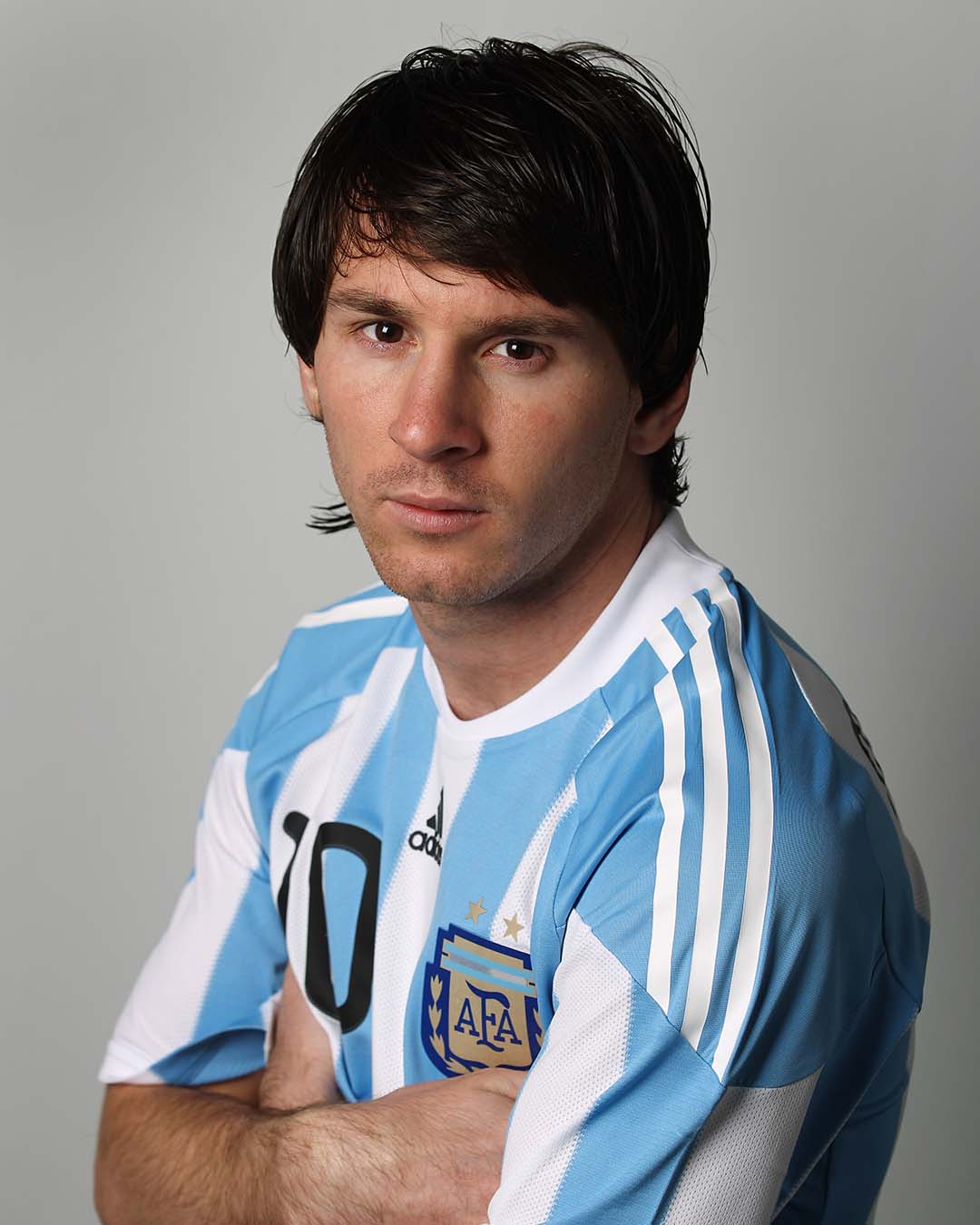
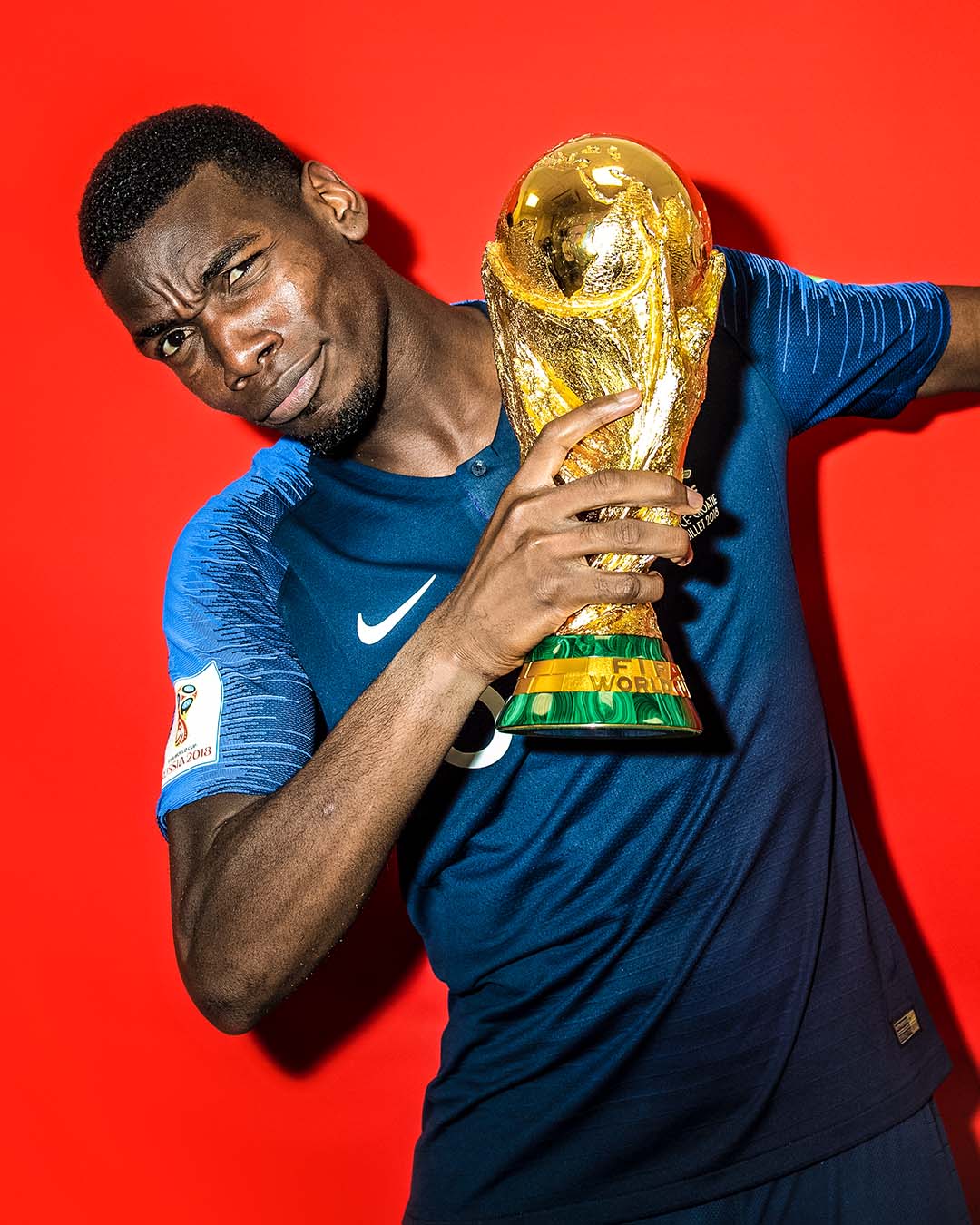
Today's portraits are the result of a deliberate decision. In the past, Hangst says, players tended to be reserved, more interested in playing football, and the images served functional purposes, such as use by the media. By 2018, however, a new generation of players had come of age, active on social media. "Together with FIFA, we decided to change our approach and give the players the opportunity to express themselves."
The outcome was open, and Hangst admits as much: "To be honest, we weren't sure how it would turn out." But the experiment paid off. "The majority of players enjoyed the freedom and brought more of themselves into the shoot."
The result, he says, are authentic portraits that offer a glimpse of character, images that have evolved from purely practical shots into editorial ones. And which, as Hangst puts it, have "in some cases become stories themselves." Bielsa delivered the most recent proof.
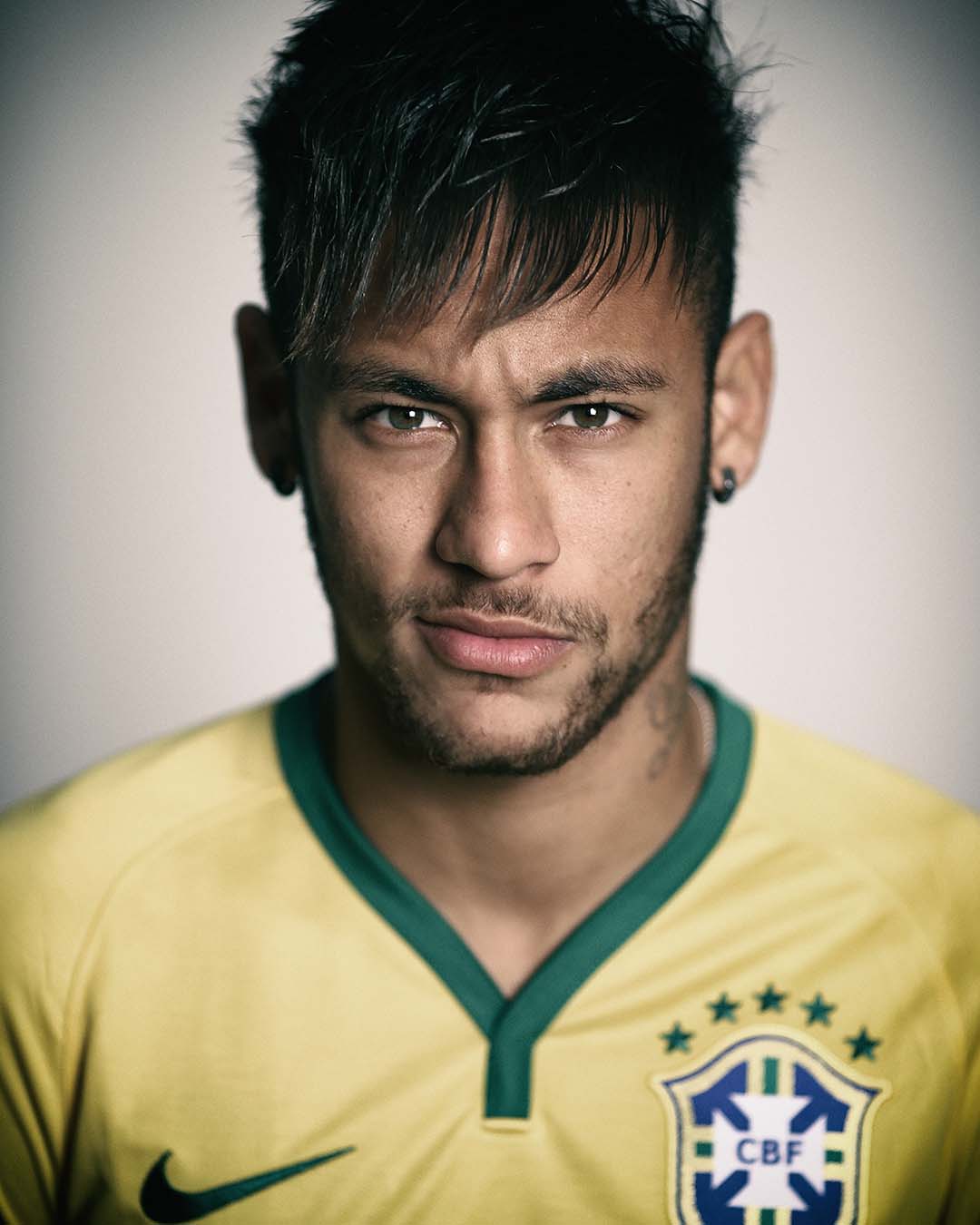
Neymar 2014: the forerunner of the new look
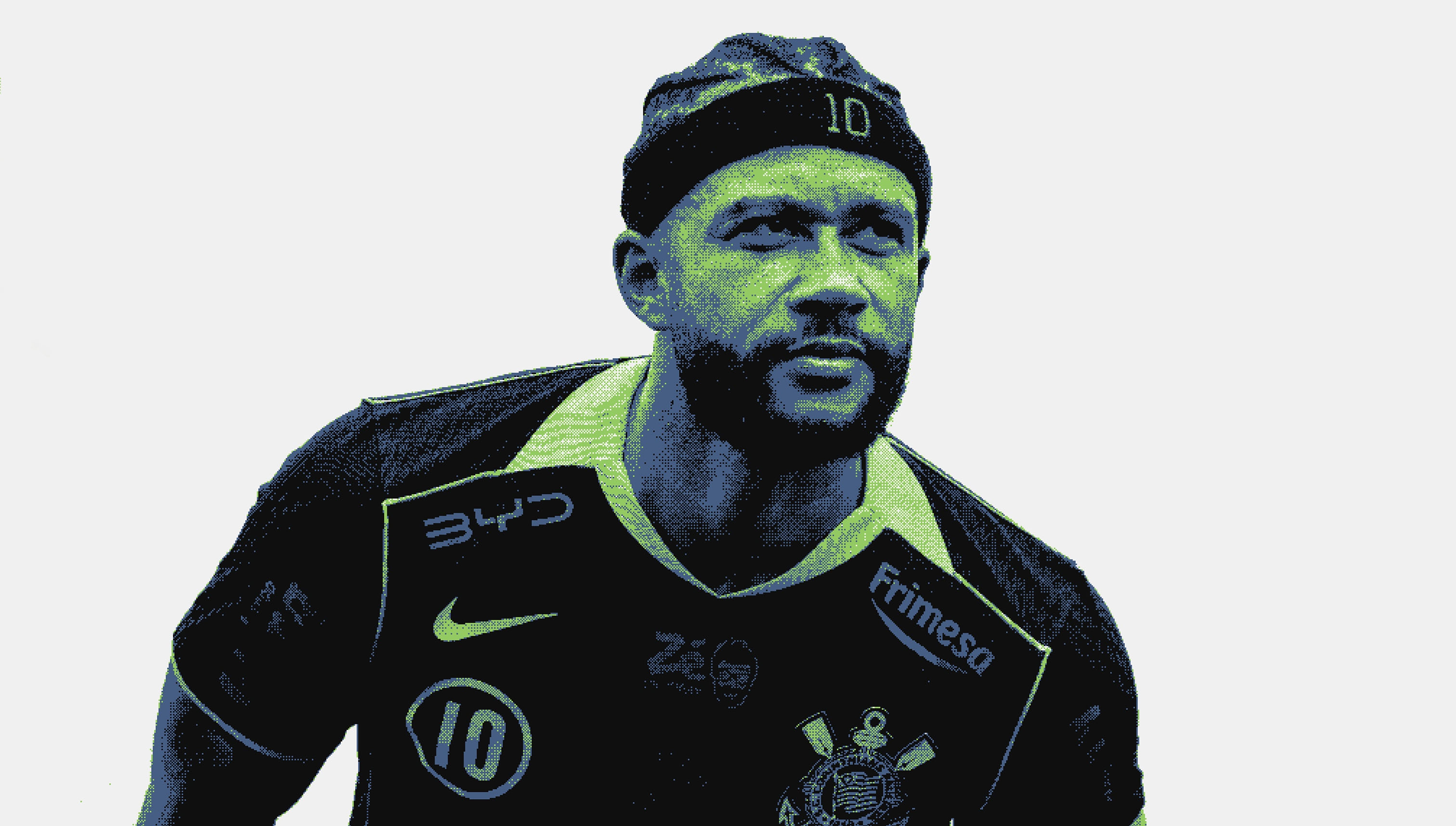
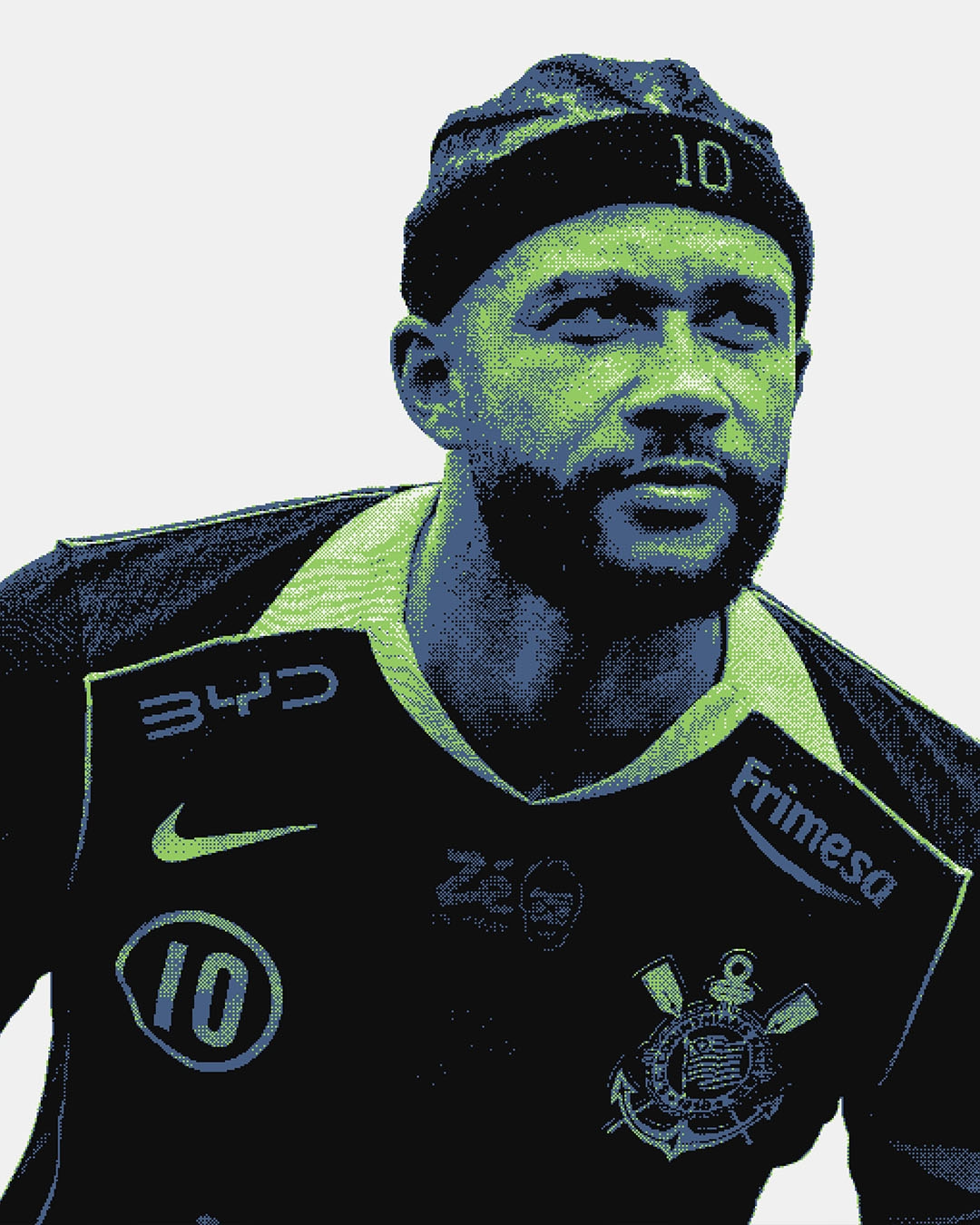
Hangst sees a turning point in an image taken four years before the change of course: Ryan Pierse's Neymar portrait from the 2014 World Cup. The tight crop, the subtle expression, plus a digital filter that gave the image grain and a vignette, for Hangst "an early example of how we moved away from the usual celebratory player portrait and took more creative, more authentic paths."
The curious thing: in 2014, nobody wanted this look. Among sports clients, from brands to media, this kind of image wasn't popular back then, Hangst recalls. Today it's the other way around, with audiences increasingly drawn to images that feel real and offer a glimpse behind the scenes. The slightly raw, grainy look is now achieved through photographic technique combined with individual editing styles, because Getty Images encourages its team "to be photographically innovative and present audiences with images they haven't seen before."
Hotel room, corridor, corner: how the official World Cup portraits are made
There is little glamour to be found behind these scenes, though. Getty Images has been shooting the portraits of every World Cup participant since 2010, for Hangst above all "a logistical and creative challenge": the Getty Images photo teams travel across the regions to portray the players of every participating nation, and the shoots take place wherever there's space. In a hotel room, in a corridor, in the corner of a room.
The dimensions are considerable: 1,296 players and coaches stood in front of the camera for the 2026 World Cup, and with at least 20 shots per person, around 26,000 images were taken. Each protagonist gets three to four minutes, split across two setups, a larger set for the standard portraits and a smaller, more creative one.
That character becomes visible at all under these conditions is down to his team, Hangst says. The photographers are experienced experts: "they have almost always photographed these players before and know which gestures or other forms of expression they want to highlight." Before every tournament, Getty Images plans the image requirements together with FIFA, and, according to Hangst, with careful attention to who is in front of the camera and how those people want to be portrayed.
Haaland's zen, Bielsa's refusal: character as the new currency
Asked what makes a strong portrait, Hangst has a clear answer: "The best portraits are the ones that express the character of the person in front of the camera." Most of the time, that works with players who feel comfortable in front of the lens.
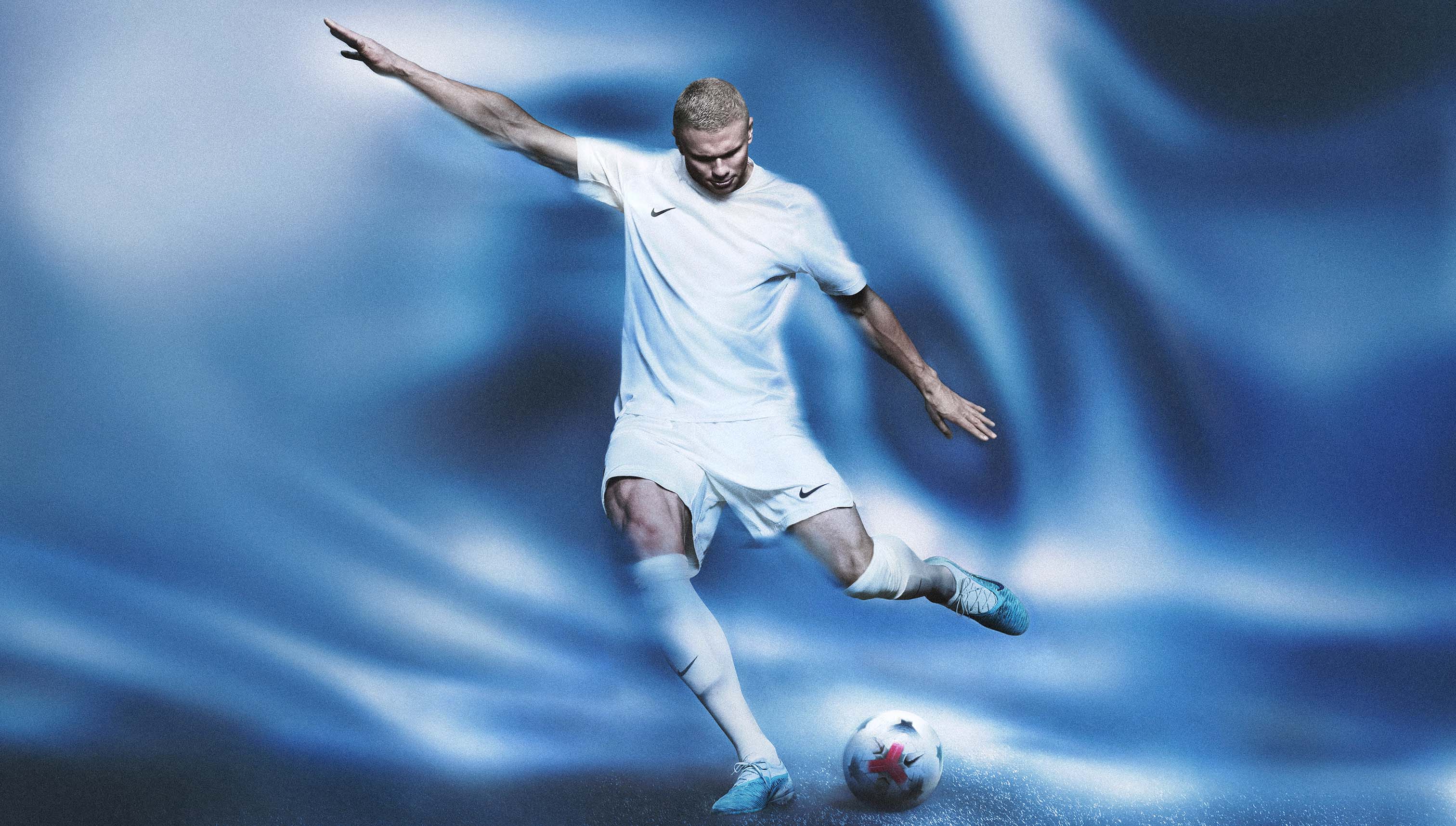
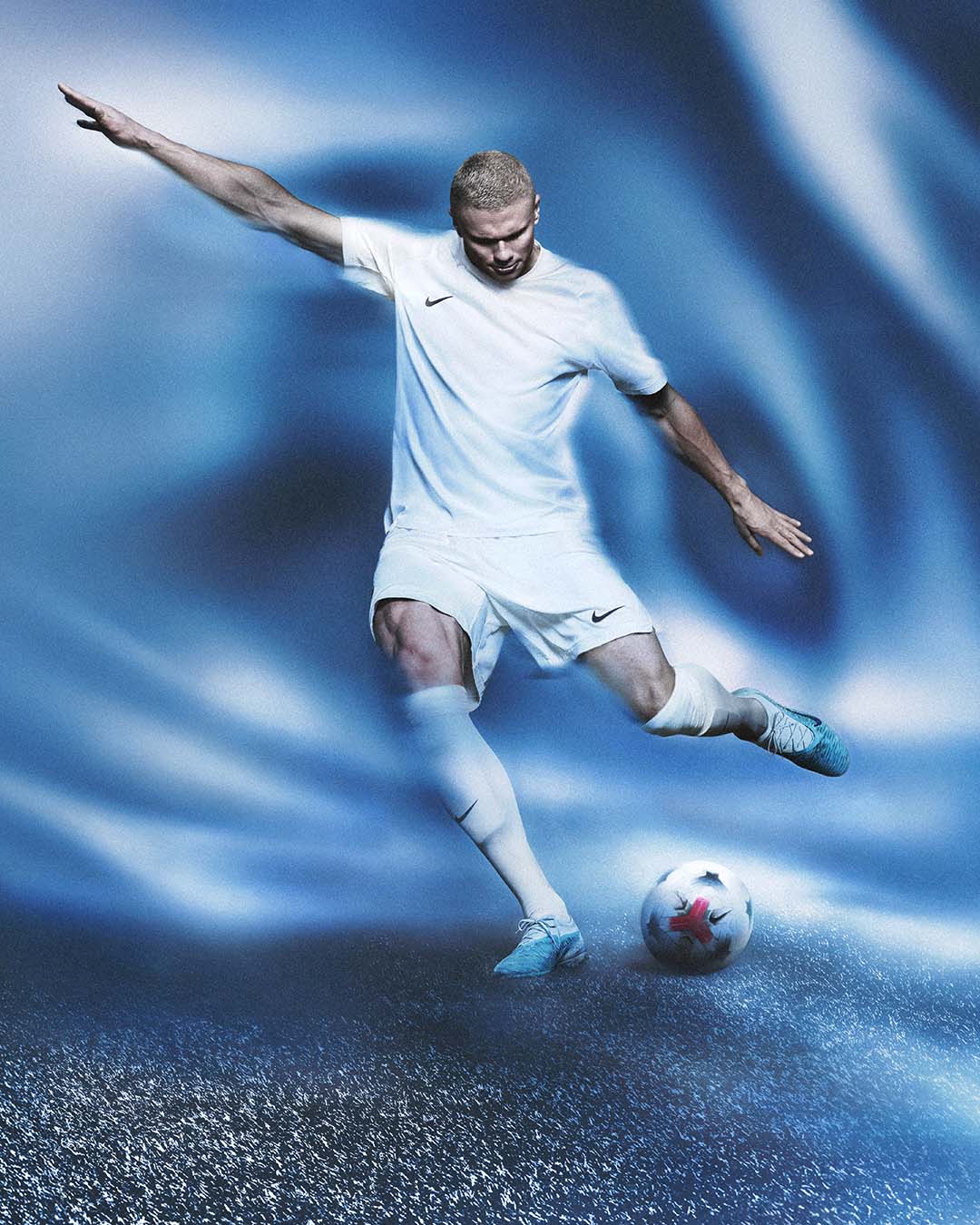
Erling Haaland, for instance, showed his zen celebration for the camera for the first time this year, a gesture he had always declined for such shoots before. The team now actively asks players whether there's something specific they'd like to do for their photo, and many bring their own celebration gestures.
Behind this lies a bigger shift, accelerated by social media. "Through social media feeds, people have become used to images that are less polished but have more character, and that's what they respond to best," says Hangst. Rights holders like FIFA therefore want images that resonate with people and travel far, and that's exactly what the World Cup portraits have achieved.
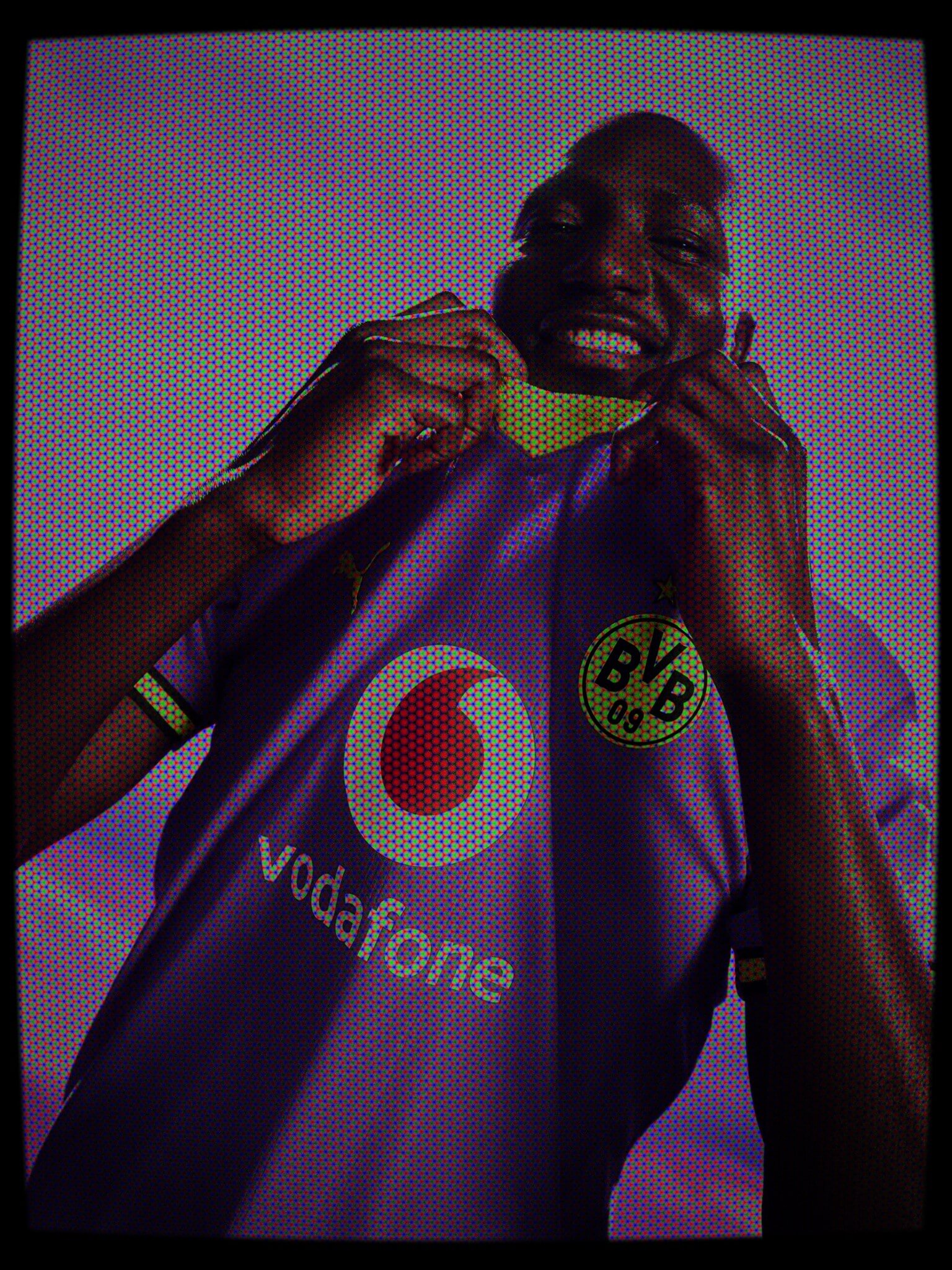
The players, in turn, are keenly aware of their personal brand and the importance of visual elements in building it; their feeds have become platforms of self-expression. Michael Olise recently showed how far that can go: for his Instagram feed, German photographer Lukas Korschan shot the images off an old tube TV, a visual world of its own that has been intensely discussed on social media.
Which brings the story back to Bielsa, the man who wanted nothing to do with any of this. A striking portrait, Hangst says, makes the viewer pause and look longer: "It tells a story." Bielsa's averted gaze did exactly that. Without a single pose.