Julian Brandt and his brother Jannis arrive after a short bike ride, as people in Amsterdam tend to. The October sun is out over the brick houses in the south of the city, and there isn’t a cloud in the sky. It’s warm in the sun, but the shade already has an autumn chill to it. Glorious autumn weather.
Coffees to go in hand, they stand outside the café for a moment, and the conversation soon turns to Amsterdam, to the Dutch way of life and to how it differs from Germany. It’s more than small talk. Julian and Jannis are curious about the wider world and like to dig deeper into the subjects that interest them. Then they set off along the canals and through a park.
Julian is in good spirits and seems relaxed. He has been an Ajax player since the end of July, after seven years at Borussia Dortmund, where he and the club agreed not to renew his expiring contract. He deliberately took his time choosing his next club. He could have gone elsewhere, but opted for Ajax. On the pitch, he’s made a good start with the Dutch record champions: so far he has scored eight competitive goals, and the fans voted one of them their Goal of the Month for September.
He has only lived in Amsterdam for a few months. He knows the city from earlier visits, but this afternoon some of the streets are new to him, too.
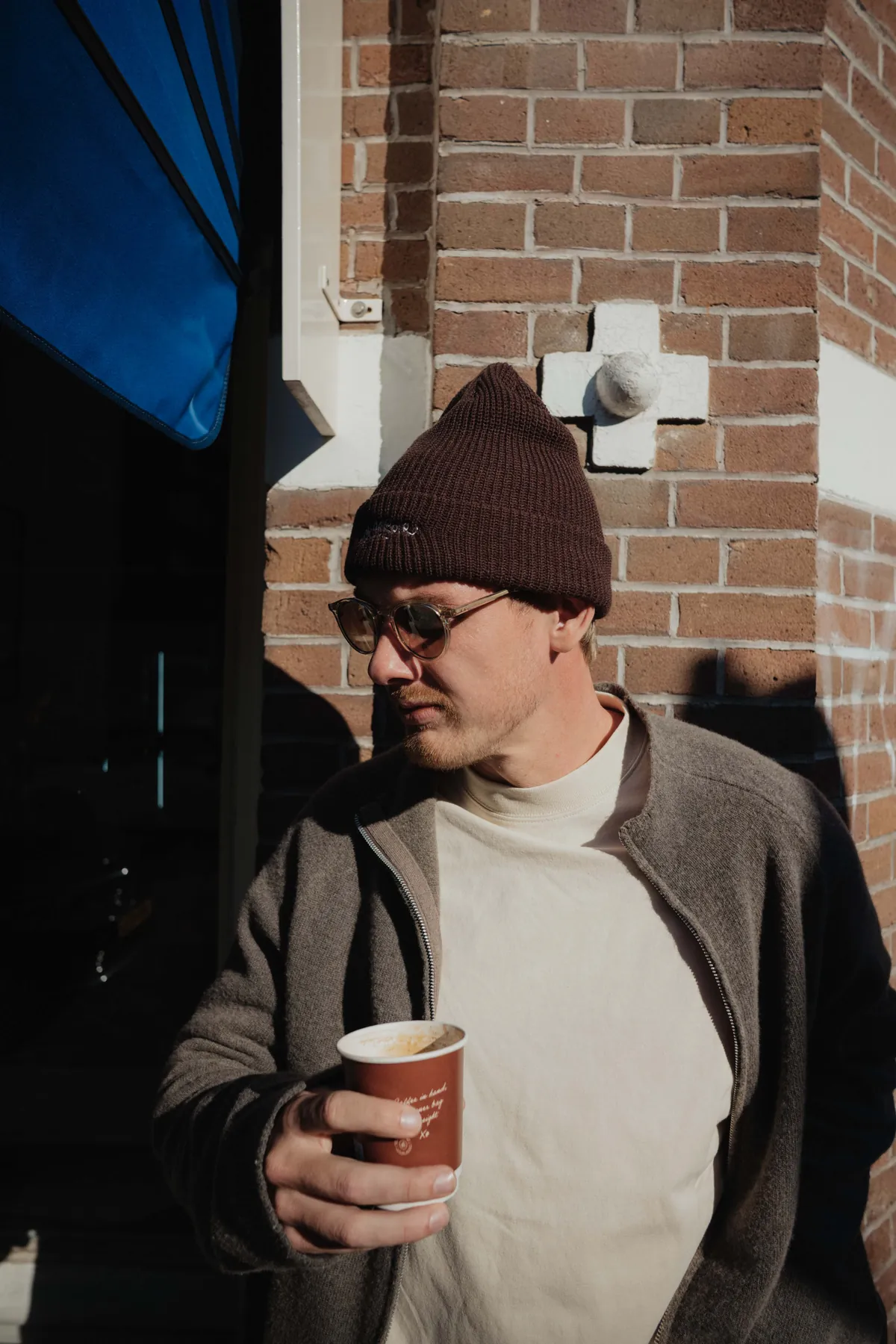

Brandt likes the calm of the people in Amsterdam, the greenery between the houses and the way people dress on the streets. Life here feels less stressed to him; nobody even seems to complain about the changeable weather. He doesn’t want to generalise, though: “I’ve also heard people from the countryside say the city stresses them out massively – I guess it’s always a bit of a matter of perspective.”
He won’t pick out any one corner. “There’s a sense of balance to the whole city, so you feel comfortable wherever you are.” Life away from the training ground also played a part in his choice of club. “The club obviously comes first, but it was important to me that there was also a good quality of life outside football.”
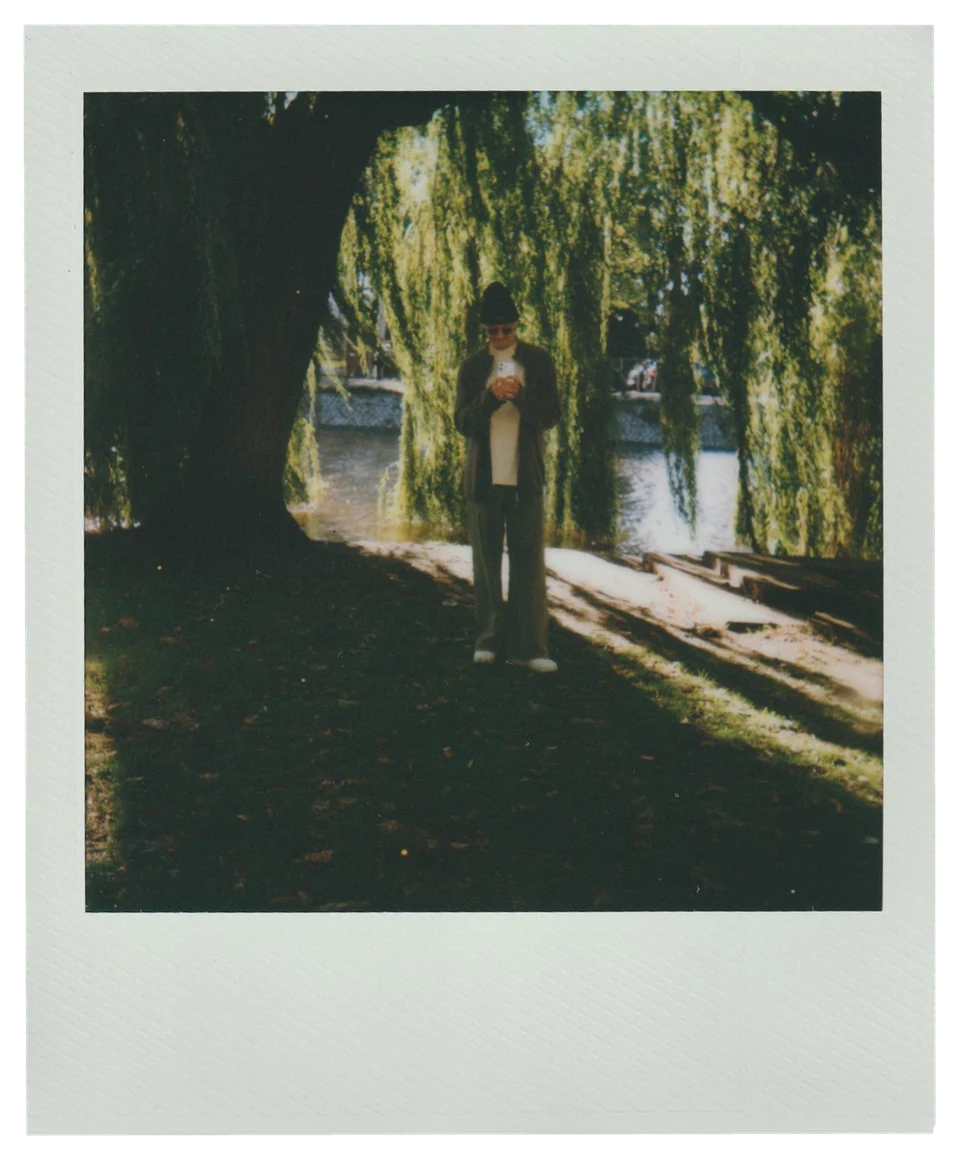


For a long time, what kept him in Germany was the people closest to him. “I think mentally I just wasn’t there yet – I wasn’t ready to feel at home abroad. I had a strong connection to my family, to my brothers, to my friends. That’s why it came later than people might have expected.” He can’t say whether he should have moved abroad sooner.
Either way, he looks back fondly on his seven years in Dortmund. “Dortmund was where I learned the most in my life.” He met “so many top people” there – staff and teammates, but also locals with no professional ties to the club.
“I had everything there: times when everything was going well, and times when I was criticised, rightly or wrongly. Once you’ve been through that, it grounds you in a certain way.”
In June 2025, Brandt spoke to reporters about his role in the team. He had tried, he said, to fit the image of a loud, hard-edged leader. “But in the end I have to say it did me more harm than good.” His strength, as he saw it, was his rapport with everyone in the squad, “young and old”. At the time, he was wearing the captain’s armband at the Club World Cup.
He learned a lot from the directness of people in the Ruhr, he says now, even if it was unfamiliar to him at first. He is from the north – he grew up in Bremen, a few minutes by bike from the Weserstadion – and got to know the Rhineland during his time at Bayer Leverkusen. In Dortmund, he was living in a region where people talk about malochen: hard graft. “There isn’t one single thing that stuck, but there’s a lot I took with me.”
Whenever he arrives somewhere new, the first thing that interests him is how people live there. “It’s always interesting to come to a country, adapt a little, see what the customs are and learn things that are simply different.”


Along the way, Jannis takes photos of his brother. He is a big part of why Julian is interested in photography and videography himself. Jannis works as a photographer and creative director, and the two of them work together on À CE SOIR.
Julian is wearing a dark brown beanie and a greyish-brown zip-up knit cardigan over a cream long-sleeve top, with wide olive trousers, white trainers and sunglasses with a translucent brownish frame. “You have to like that, definitely. But I like it when clothes hang loose and don’t have to fit your body to the centimetre – when they’re allowed to be a bit baggy. That just feels comfortable.”
“I wouldn’t call myself a big fashionista.” He spots things on other people, in pictures or in shops, and if he likes something, he buys it. “I haven’t taken a crash course in fashion.” Ten years ago, he says, he looked completely different.
À CE SOIR began with the idea of putting on events and parties – “just chatting, as you do”. There have already been nights in Cologne, Berlin and Nuremberg, alongside a series of DJ mixes. But the brothers never wanted the project to stop there.
“For me, À CE SOIR is a playground where Jannis and I can express ourselves,” he says. “It’s a fun project, and in the end it’s meant to bring together the good things in life: joy and emotion through music, through clothing, through people connecting over coffee at two o’clock on a Sunday afternoon.”

The range now runs from shirts and hats to espresso cups and a coffee blend of their own. “I think it’s brilliant when ideas turn into a product you can hold in your hand or actually see somewhere.”
He also thinks a lot about how to get the brothers’ ideas across. “And expressing certain emotions through the language of images and video – that really excites me.” He’s equally interested in how people respond: “Just because I like something doesn’t mean my neighbour has to like it too.”
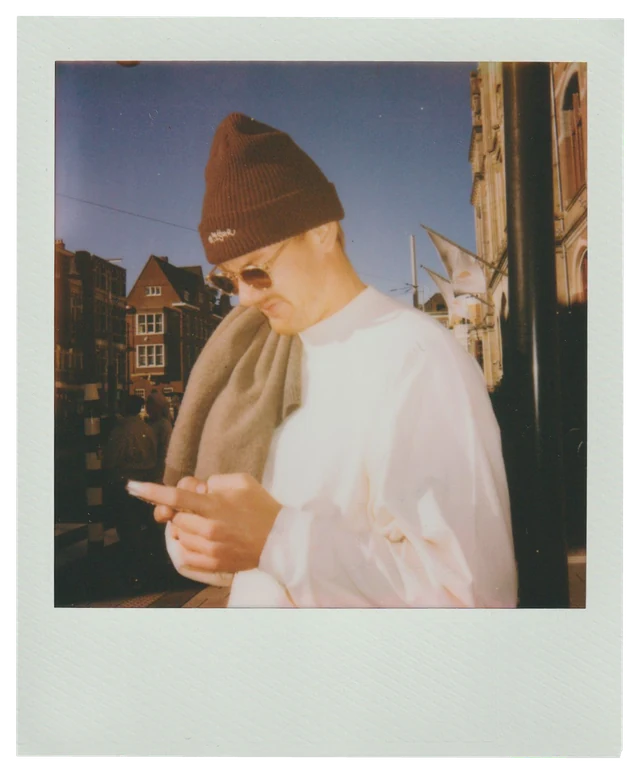

The work regularly takes him into unfamiliar territory: “It involves things I’m not much of an expert in myself, where I’m gaining experience and maybe doing things I’d do differently further down the line.”
He doesn’t name a single role model. He is interested in the biographies of artists, politicians and historical figures – and just as much in people who aren’t famous. “I like to look around, I’m happy to be taught and to learn from others – but I don’t rely too heavily on other people for inspiration.”
Julian would like to bring the different sides of À CE SOIR together in a pop-up. “Just a little space for a few hours, where people who are up for it come along and feel at ease.”


Music is a way for the brothers to connect with other people – people who produce or DJ, sing or play guitar. For Julian, it is “a constant companion”, playing on his headphones, in the car, even when he isn’t doing anything at all. Five songs offer a glimpse of what he’s listening to right now.

RADIO SUPERSUB · Julian Brandt · 5 Selected Tracks
Brandt still talks football after training – when he’s with people who are interested, or when there’s something to discuss. On his own, he doesn’t spend much time on it. But he has no intention of banning it from his evenings altogether.
For him, everyone can decide how much space football takes up in their everyday life. “There is a football bubble. But I believe everyone decides for themselves how much of it they let in.”
Meeting people who have little to do with football is refreshing, he says, because it happens less often in his day-to-day life. But he doesn’t make a principle of it: “Someone isn’t more pleasant or likeable just because they have less to do with football – and vice versa.” And have his interests outside the game changed how he sees his job? “No, not really.”
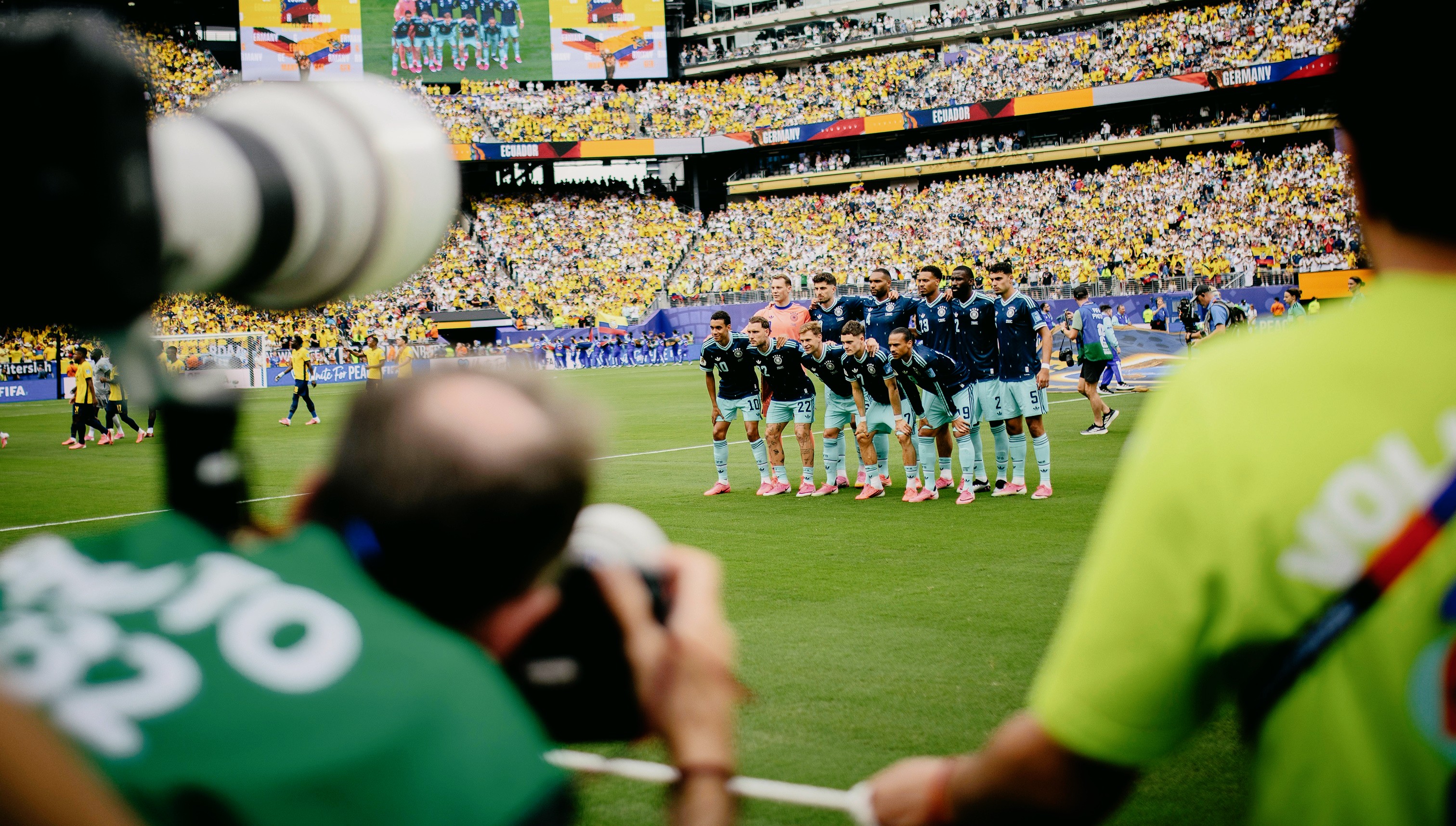
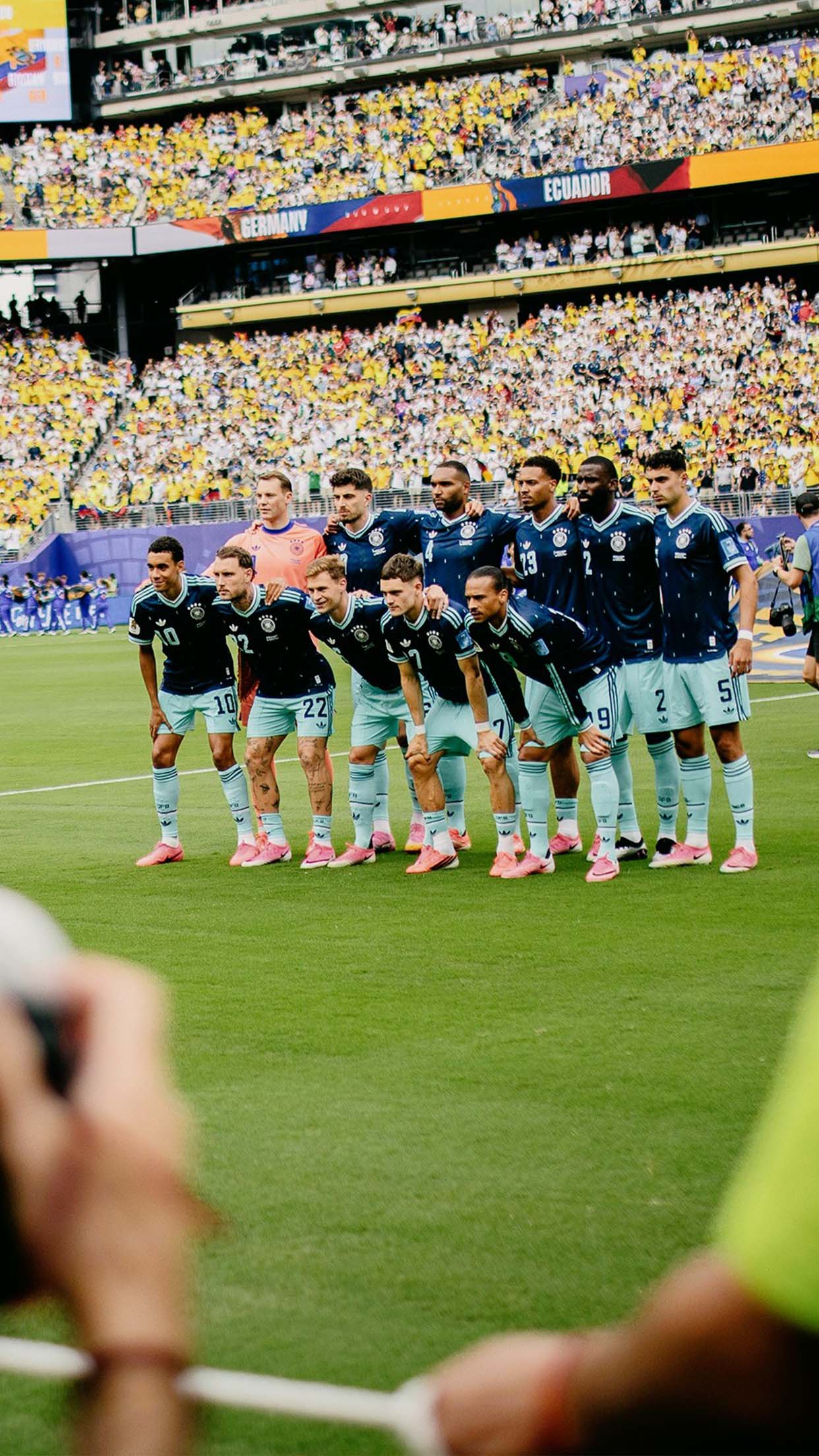
383 Bundesliga games, 82 Champions League appearances and 48 caps for Germany are already on Brandt’s CV. “I still want to win every game.” Looking back on Dortmund, though, other things matter to him too. Two more trophies wouldn’t have made that time any better, he said on the club’s podcast in May, shortly before his last home game.
For the years ahead, he hopes to stay fit and play as many games as possible, so he can enjoy the sport as much as possible.
His career, he reckons, could have another six, seven or eight years in it. “I don’t want to start living in the future and thinking about all that now.” He knows the argument that you should start thinking about life afterwards early on. “But I don’t think that does justice to what you have right now. You should enjoy it until the very last second.” Once it’s over, he may need time to reflect on himself. That moment, he says, hasn’t come yet.

“Honestly, I take a lot of things as they come. It’s not like I’m saying I want to travel the world or that I absolutely have to do this or that. I just follow my nose and see what’s out there.”
He is clearer, though, about what matters more to him now, at 30: “Health, reliability, stability.”
Over the years, he says, you start to think differently about certain things – how people treat each other, for example.
“For me, it’s important to look after yourself, to stay true to yourself, to take care of yourself and do what makes you happy – and not to change who you are for any old bullshit, or put yourself through things you don’t want to do. If you get the feeling you’re in the wrong place, then it’s time to go.”
Credits
Words & Digital Storytelling: Adrian Kühnel
Photography: Jannis Brandt
Concept, Production & Visuals: Marco Michalzik