








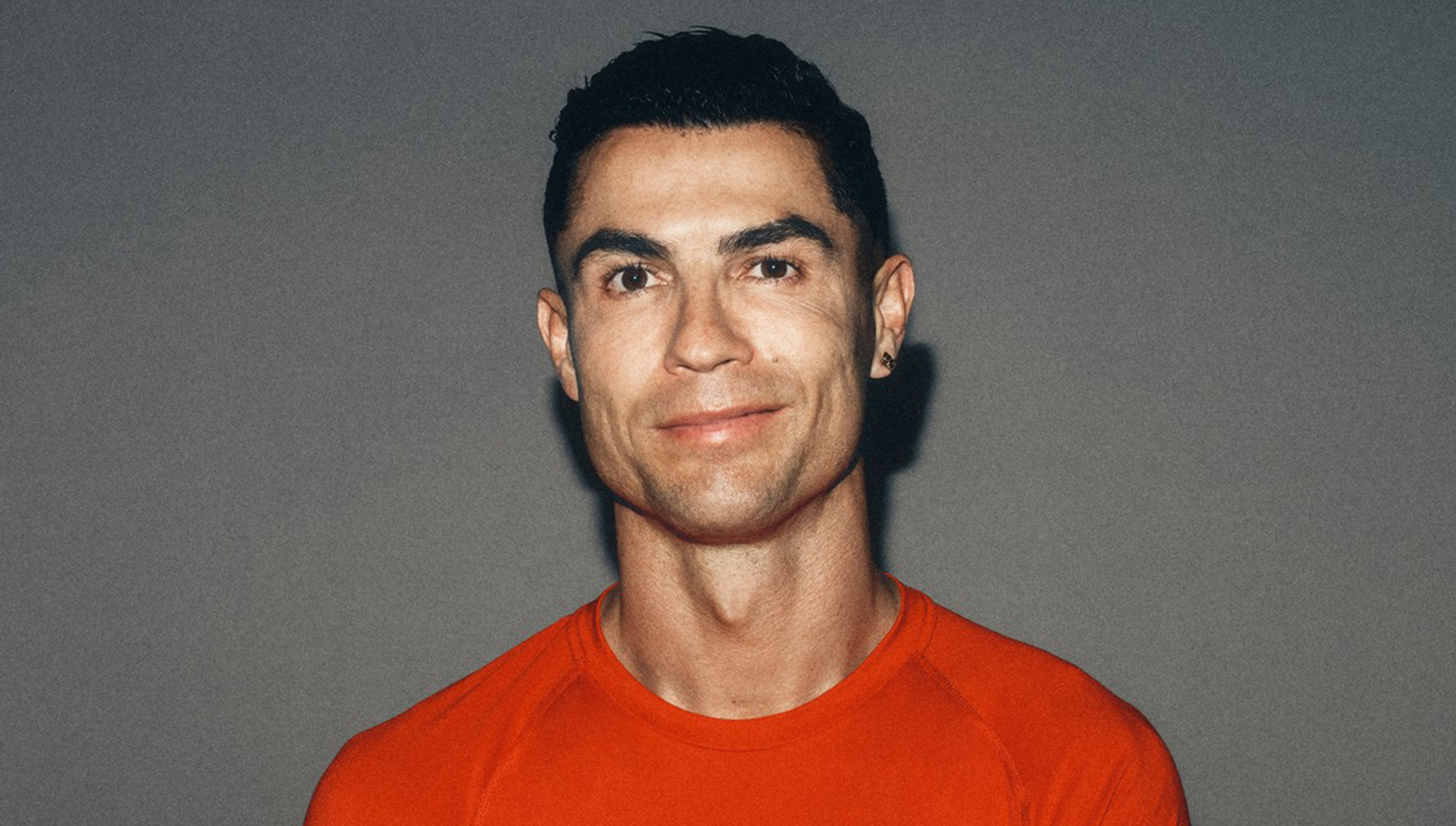
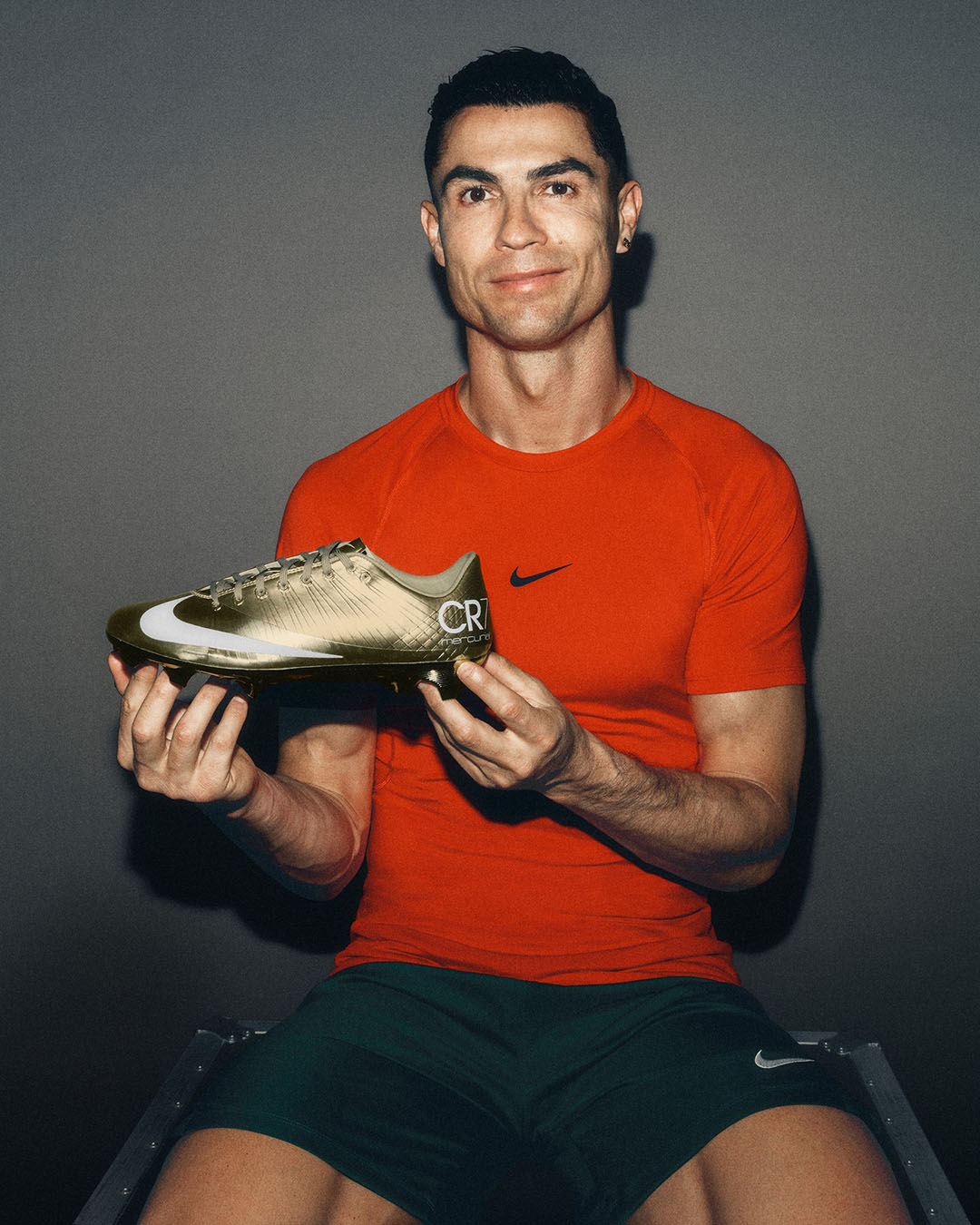

















One minute of playing time, an entire country as his fan club: why Borja Iglesias is Spain's true World Cup hero.
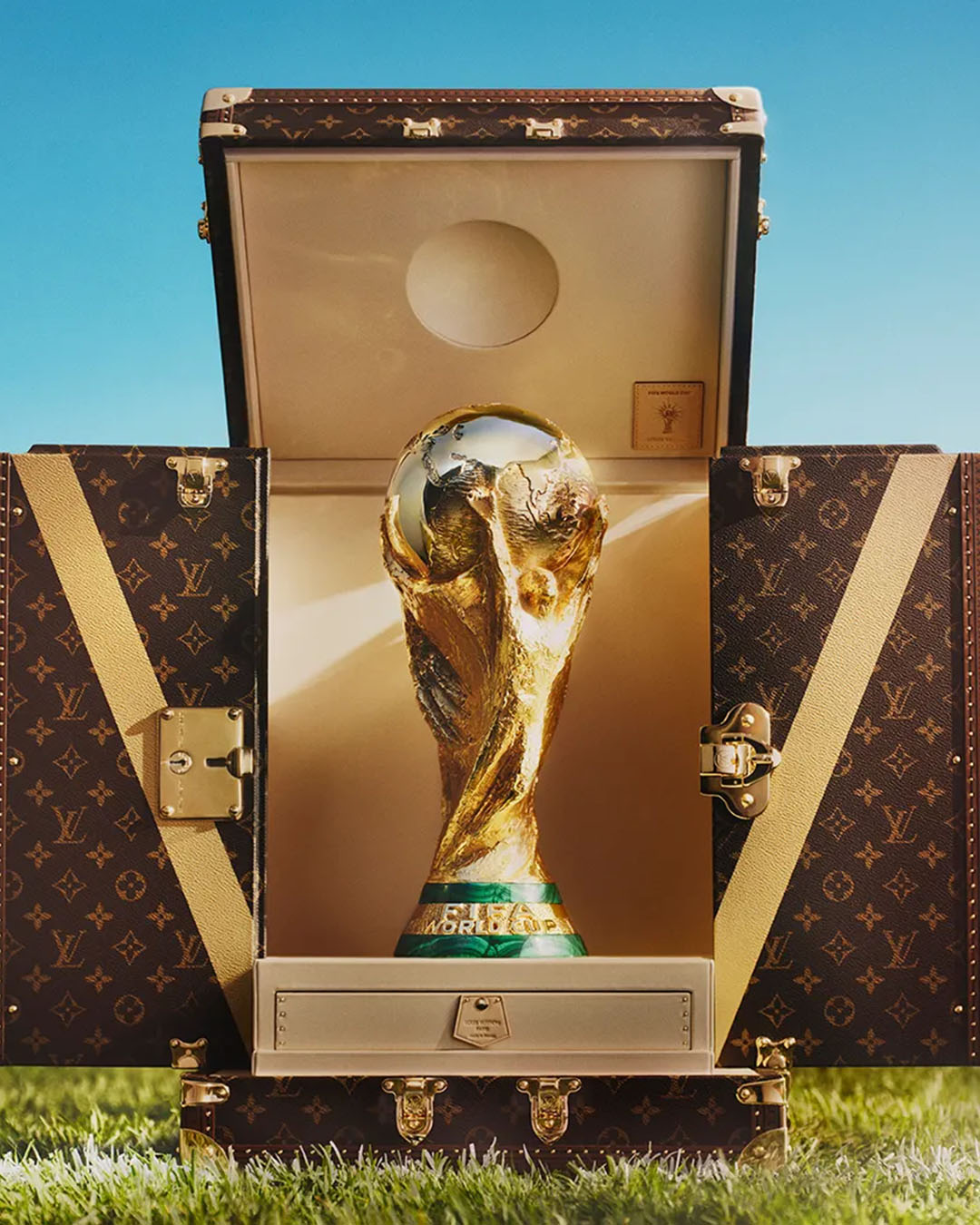
The bus rolls at walking pace through Madrid, past an estimated two million people, and up there, among the world champions, stands a man behind a DJ mixer, the World Cup trophy slung casually over his shoulder. Borja Iglesias is spinning tracks. He played officially one minute at this tournament. On this Monday in July, the city belongs to him.
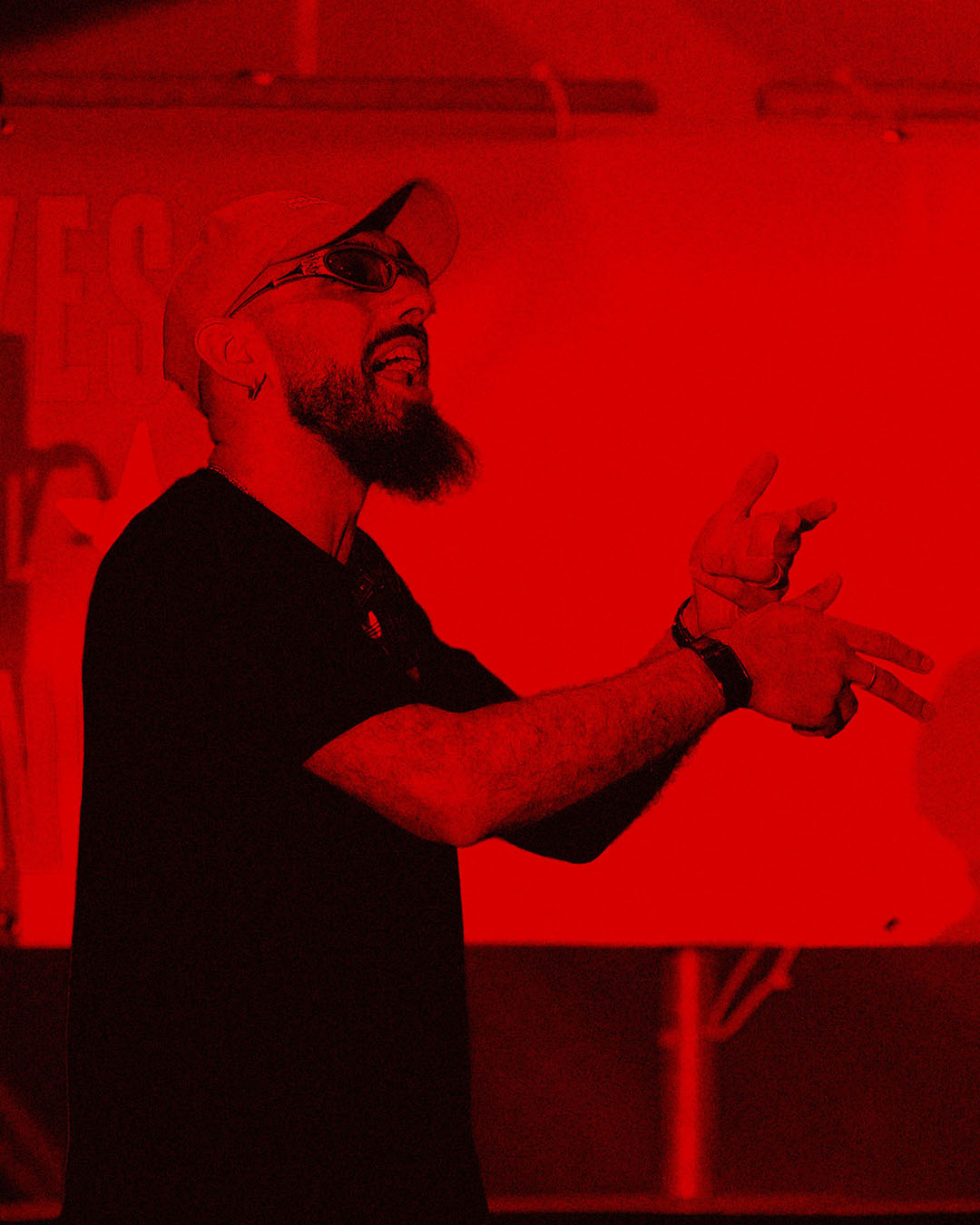
That evening, on stage at Plaza de Cibeles, he grabs a microphone. Every player got to choose a song for their entrance, Iglesias picked „Cantando“ by Violadores del Verso and rapped it himself, line by line, in front of the roaring crowd.
Afterwards he took over the decks again and got his teammates dancing. Late that night, once the official celebrations were over, he was back where everyone had seen him all weekend: behind the controls, cheered on by his own teammates. His club Celta Vigo dryly noted that this Panda knew a thing or two about music.
Kase.O, rapper of Violadores del Verso and author of the song, spoke out publicly the next day: Iglesias had once told him that his music gave him the courage to stand against intolerance and inequality. Today, he wrote, it's the other way round, today it's the footballer who inspires him.
To understand why a striker with one minute of playing time could define a world champion's title celebrations, you have to tell this player's story from the beginning.
Borja Iglesias at the World Cup 2026: Why the Spain star is being celebrated
Borja Iglesias Quintas, 33, born in Santiago de Compostela, plays up front for Celta Vigo. At the World Cup 2026 he wore squad number 26, coming on as a substitute once, in the round of 16 against Portugal. In the final, he watched Ferran Torres's winning goal from the bench, warmed up but never used. Still, when the final whistle blew, he became the first Galician ever to become a world champion with Spain.
His nickname El Panda dates back to 2016, from Celta's reserve team, who loved Desiigner's song „Panda“ so much they started calling themselves Panda Team, some players even got the animal tattooed on them. Just how seriously Iglesias takes the name shows in his car: over breakfast with his then Real Betis teammates Isco, Héctor Bellerín and Aitor Ruibal, the idea came up, Isco suggested that a Panda should logically drive a SEAT Panda. Iglesias searched a classifieds site and found a sky-blue model, worth barely a few thousand euros, no air conditioning.
He still drives it today, and rolled onto the pitch in it at his official unveiling at Celta. Hip-hop, meanwhile, was never background noise for him, he took DJ lessons and had long been behind the decks at Celta celebrations before all of Spain saw it.
Music is just one of his outlets. Iglesias has been taking photographs for years, often of his teammates, using among other cameras a Leica M6 and a Contax T2 for his analogue shots. During the World Cup, he also filmed material with a camera and his phone that is meant to become a documentary about the tournament. The Spanish sports magazine Sportlife compared him to the polymaths of the Renaissance.
Borja Iglesias' walkout: The moment that changed everything
The affection Spain showed him at this World Cup, though, has a far more serious origin. The decisive scene lies three years back. In August 2023, shortly after Spain's women had won their first World Cup title, federation president Luis Rubiales kissed national team player Jenni Hermoso on the mouth without her consent. Rubiales clung to his post, his defiant „I will not resign“ made headlines around the world. Once it became clear he wouldn't step down, Borja Iglesias announced his withdrawal from the national team. „As a player and as a person, I don't feel represented by what happened,“ he wrote on X. He would not return until such acts had consequences.
No other player took a stand of that magnitude. Publicly by his side stood only a few, among them his Betis teammates Isco, Héctor Bellerín and Aitor Ruibal, who expressed solidarity with Hermoso. Iglesias faced a storm of mockery for it, comments that mocked his scoring record, his painted nails, his person, with the underlying tone: who do you even think you are, no one would have called you up anyway.
Iglesias stood by his decision. Rubiales lost his position and was later convicted of sexual assault. Only in October 2025, more than two years after the walkout, did national coach Luis de la Fuente bring the striker back into the squad, after a strong season with Celta, Iglesias had earned his return on the pitch.
At the World Cup, the circle closed. Jenni Hermoso covered the tournament as an analyst for the Mexican network TUDN, and after the semi-final win over France in Dallas, the two stood face to face, the man who had given up his place on the national team for her, and the woman it had all been about. They fell into each other's arms, Iglesias later said he cried quite a lot afterwards.
At the final, the two sat together in front of TUDN's cameras, both in tears. He was very happy to know Jenni now, Iglesias said, he admired her deeply. And then: „Campeones del mundo los dos.“ World champions, both of them. Under his old walkout thread from 2023, he posted photos with the trophy after the final and a single word: „Guau.“
Borja Iglesias' conviction: A constant off the pitch
The Rubiales moment is the sharpest expression of a stance that runs through his entire career. Shortly before the World Cup final, he shared a screenshot of exorbitant ticket prices on resale platforms and commented with a blunt „Una vergüenza“, a disgrace. When former Spanish prime minister Mariano Rajoy questioned the French national team over the family origins of many of its players, Iglesias publicly disagreed: anyone born in France or holding a French passport is French, and represents their country like anyone else.
The fight against discrimination has followed him the longest. Since 2020, Iglesias has regularly worn painted nails, a gesture that began during the Black Lives Matter protests as a statement against racism and has since come to stand, for him, for his fight against homophobia too. He has faced hatred for it for years. Earlier this year, after an away win with Celta in Sevilla, fans hurled homophobic abuse at him outside the stadium as he handed one of them a shirt. Iglesias responded only with dry sarcasm, saying that sort of thing never happens in football, apparently. At the next home game, fans and teammates made a statement with painted nails of their own. Celta backed the gesture. In an interview with L'Équipe, Iglesias later said the insults no longer touched him, that he'd rather be everything they called him than a person full of hate. What really bothers him, he said, is something else: that gay people, out of fear of exactly these reactions, give up their love of football.
Borja Iglesias and the dream of becoming a Spain world champion
Just how much this summer meant to him, Iglesias put into words himself. When his name appeared on the World Cup squad list in May, he published a long post about the boy he once was. About hot June days stuck in the classroom, about sticker albums and shirts, about the strikers he idolised, Raúl, Fernando Torres, David Villa. About a child who celebrated his goals in front of an imaginary stand and heard boos from a rival crowd that didn't exist. For years, he wrote, he had kept his dreams small, to protect himself from disappointment. That no longer applied: „Today I'm fulfilling a dream I never even allowed myself to have for years.“
Two months later, that boy from Santiago de Compostela stood on the pitch at MetLife Stadium, a world champion with officially one minute of playing time. And a day after that, on a bus rolling through the streets of Madrid, the trophy over his shoulder, his hands on the decks, while beneath him a whole city danced.


