





















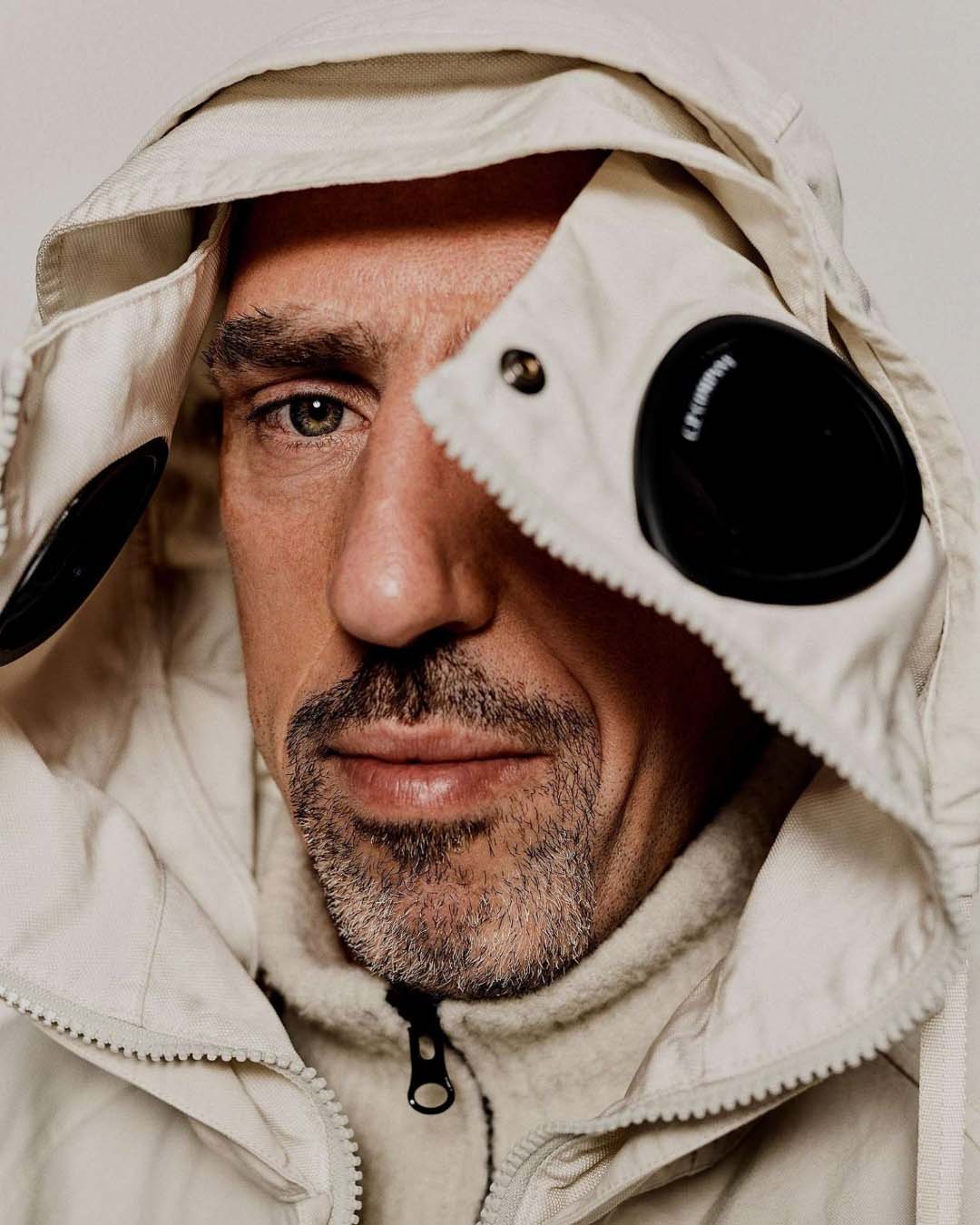


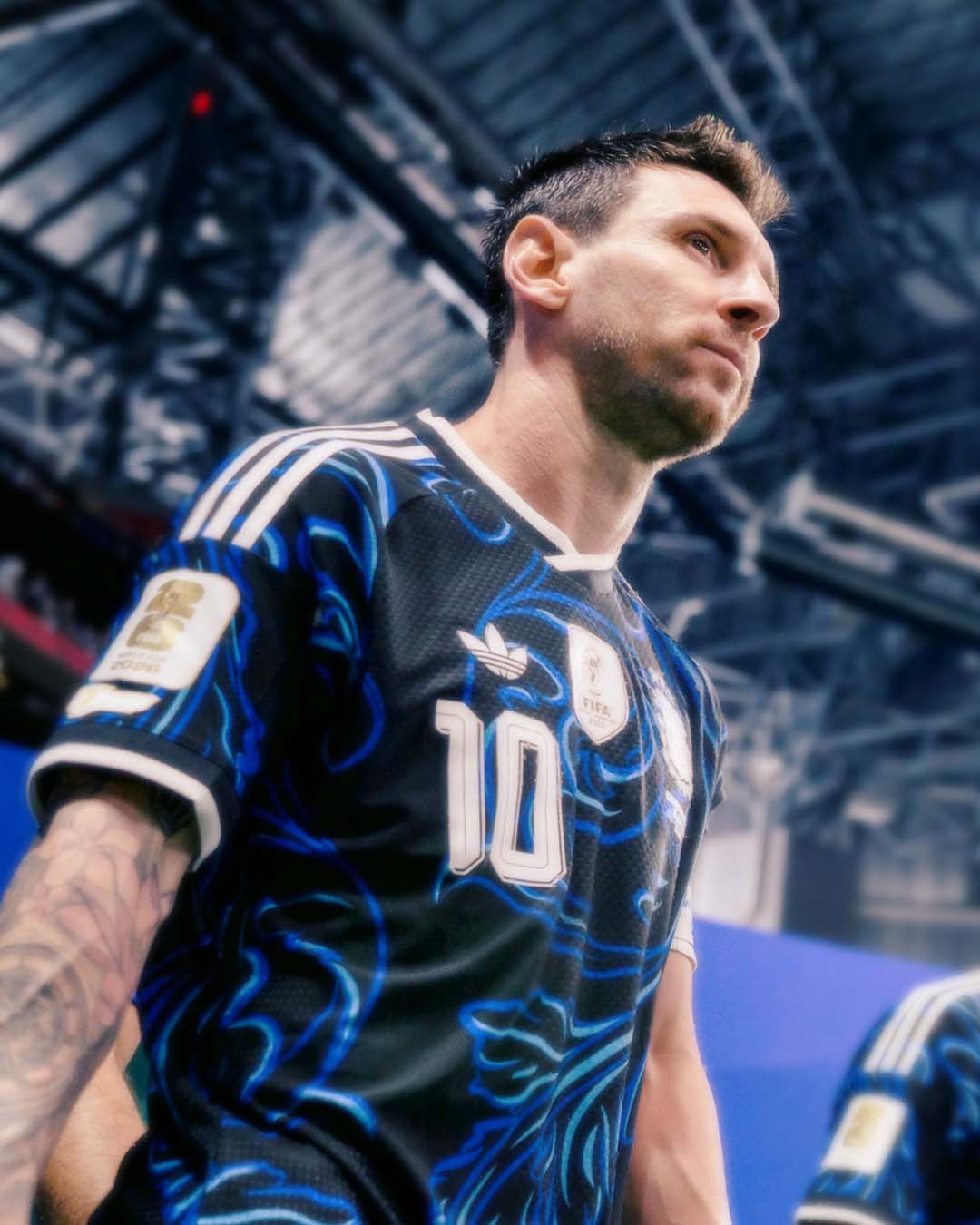
David Beckham styled himself into a fashion icon, Cristiano Ronaldo built the CR7 brand. Lionel Messi simply became world player of the year and world champion. On a global career without excessive self-promotion and why fashion loves him for exactly that today.
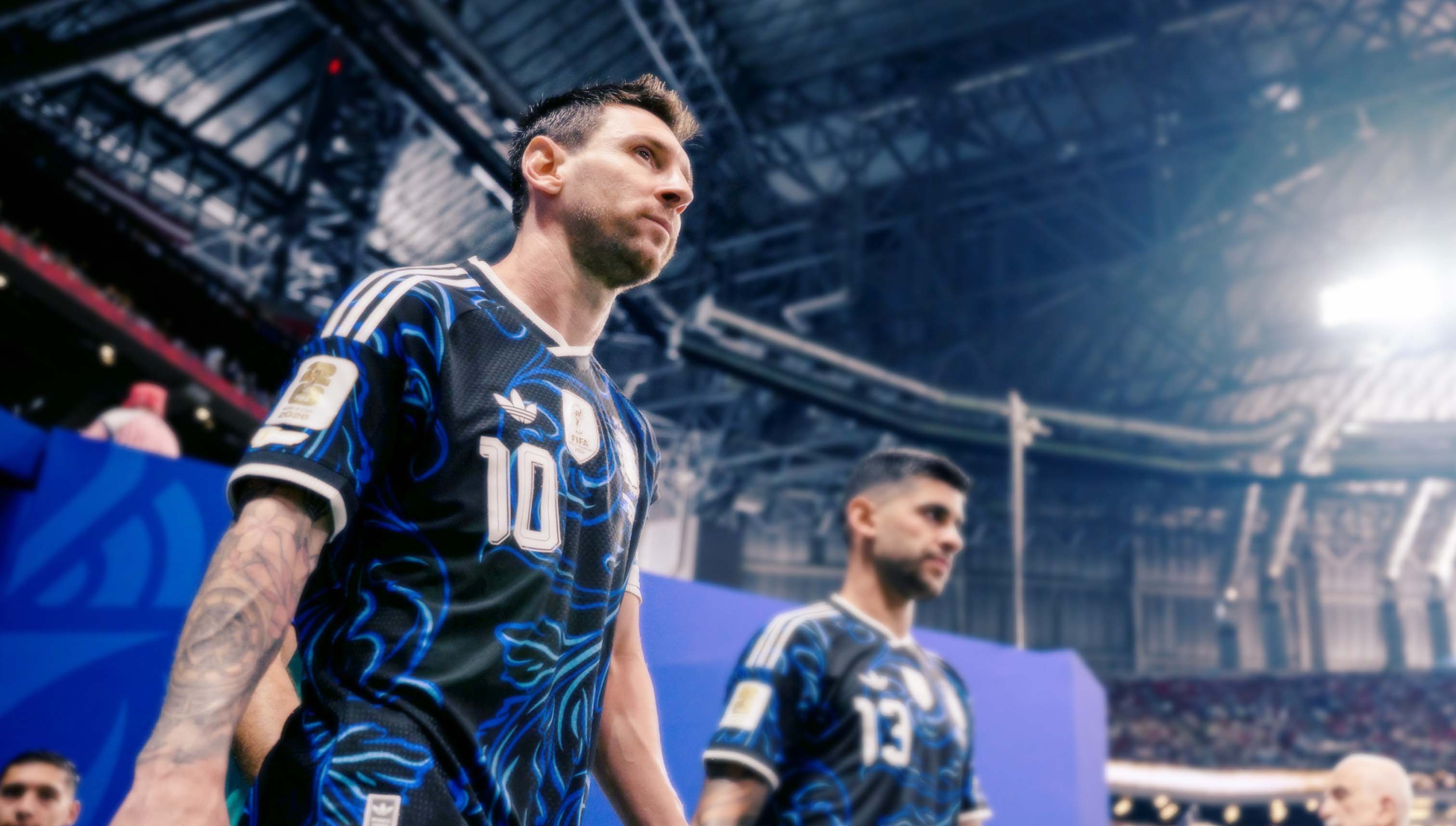
Sunday, World Cup final. Lionel Messi is 39 years old and can become world champion for the second time with Argentina. The World Cup 2026 final may be the last great match of his career. Yet anyone watching him before kick-off will not discover a new version of him. No haircut designed for the occasion, no demonstrative outfit, no pose. Messi looks like Messi.
For a man of his fame, that is anything but a given. He has won the Ballon d'Or eight times, has been one of the most recognisable faces in sport for two decades, and has dealt with nearly every mechanism of global fame. He just has rarely seemed interested in the role that comes with it.
Beckham, Ronaldo, Messi: Three ways of being famous
When Messi took off at FC Barcelona in the mid-2000s, David Beckham had already shown how far a football career could reach beyond the pitch. His haircuts were copied, his clothes debated, his advertising campaigns were part of pop culture. Beckham was not just a footballer, but one of the defining male style figures of his time.
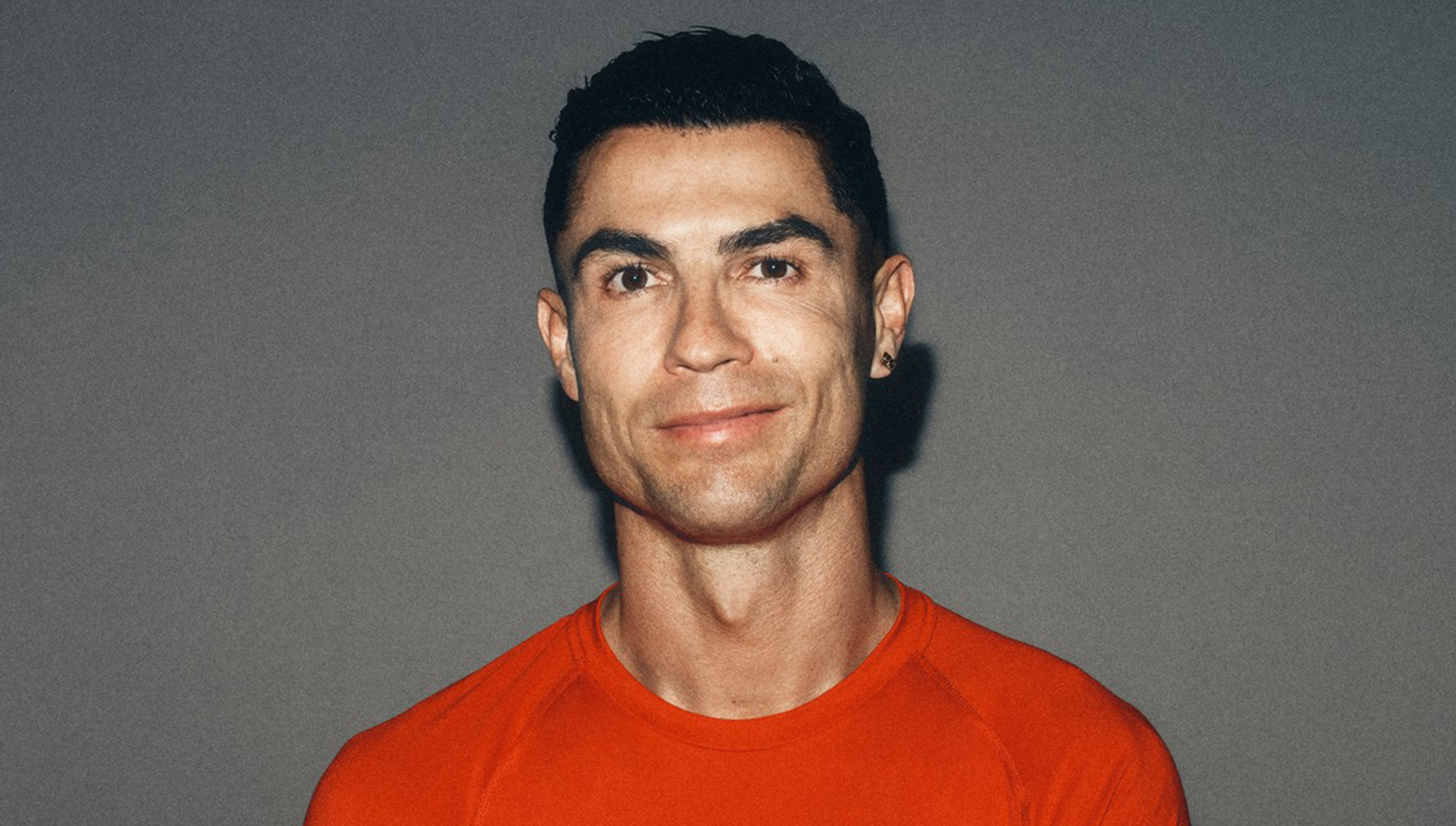
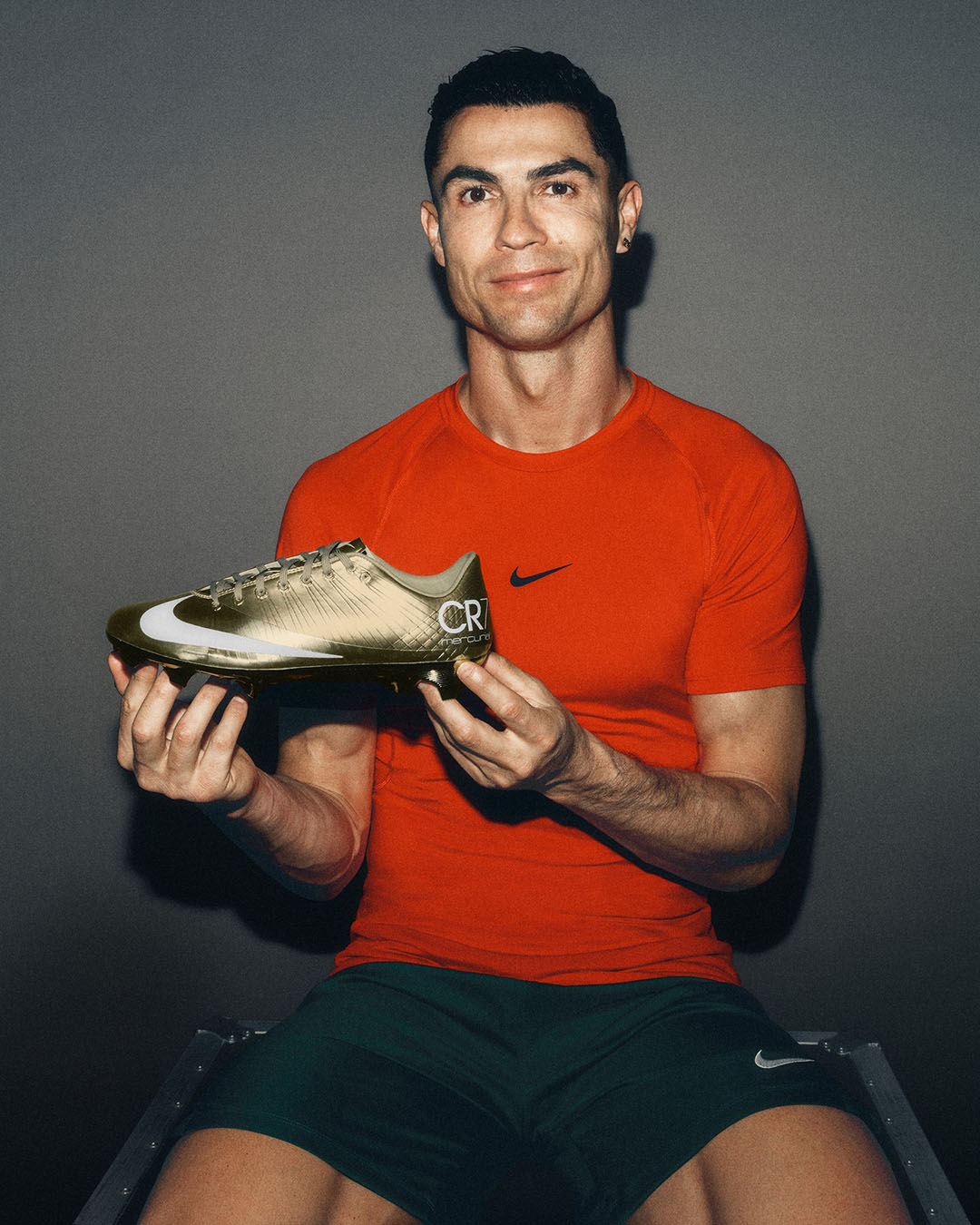
Cristiano Ronaldo developed a different model from that. With him, body, clothing and commercial image became part of a consistently managed system. The nickname CR7 turned into a brand of its own: Underwear, fragrance, hotels.
Messi moved conspicuously quietly alongside these two figures. He mostly wore what footballers wear, rarely talked about clothes, and seemed uncomfortable off the pitch whenever all eyes were on him. His public impact came almost entirely from the ninety minutes of a match.
Messi in a tuxedo: When normality became the news
That did not mean the fashion world left him alone. At the Ballon d'Or galas, Messi appeared for years in tuxedos that were often discussed more than he could have liked. Sometimes they were polka-dotted, sometimes shiny burgundy. The reactions followed a familiar pattern: Photos, comments, mockery.
In January 2016, Messi finally arrived in a classic black tuxedo. Suddenly, the absence of the special was what stood out. Numerous reports noted that this time, he was dressed normally. For hardly any other global star would that have been news.
Later attempts to style him more strongly as a fashion figure changed little. When Thom Browne dressed FC Barcelona's first team in tailored grey suits in 2018, Messi looked elegant, but not transformed. Neymar wrote to his former team-mate that he had never seen him look so handsome. The clothes remained occasion and costume. They never became the centre of his public figure.
The bisht in Qatar: A garment Messi did not choose
Even the greatest moment of his career came with such a scene. At the trophy ceremony of the 2022 World Cup, Qatar's Emir draped a bisht over him, a traditional ceremonial garment of honour. As Messi lifted the trophy, television channels and newspapers debated whether the garment obscured the image of the night.
Messi himself seemed barely touched by the debate. He celebrated with his team-mates.
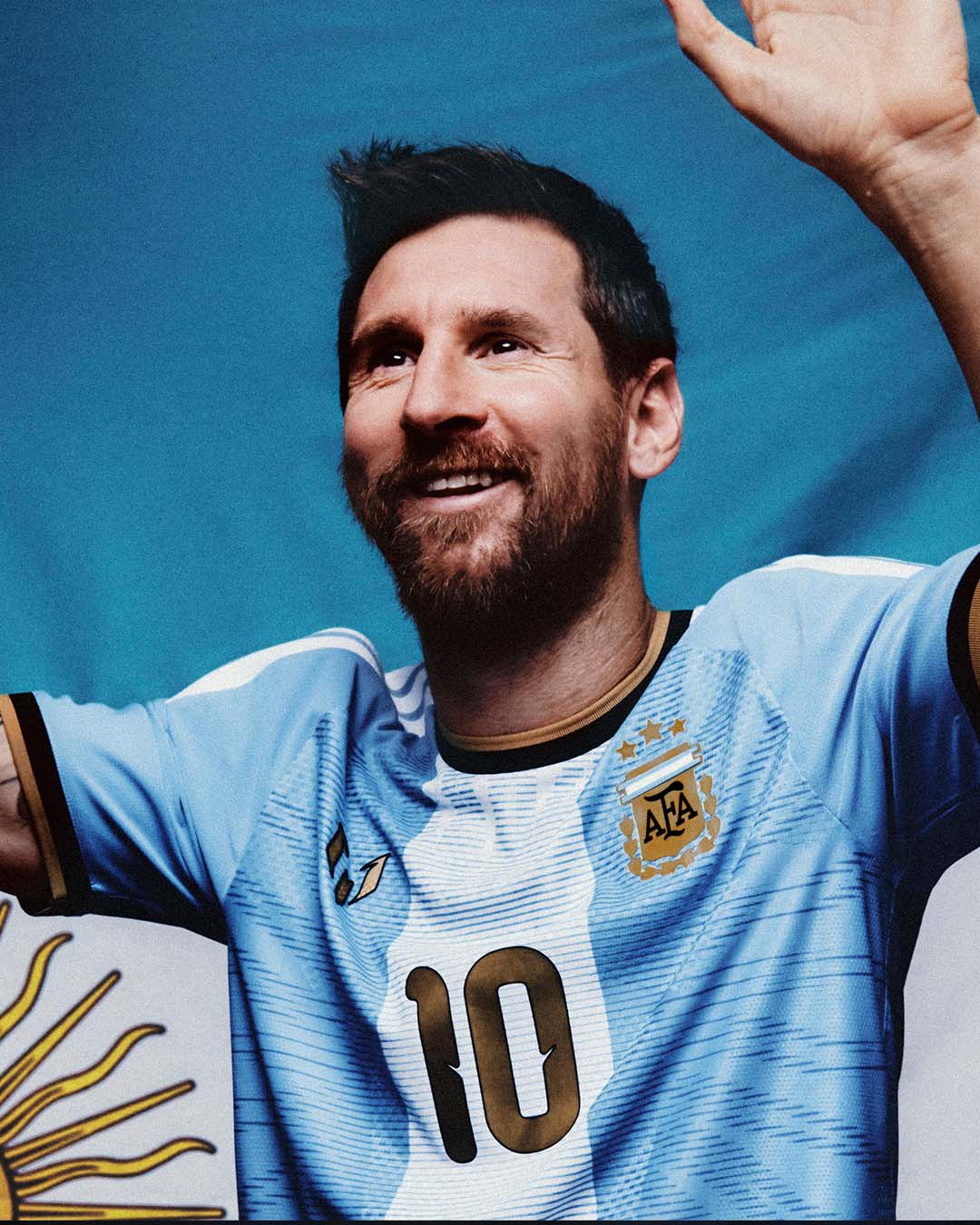
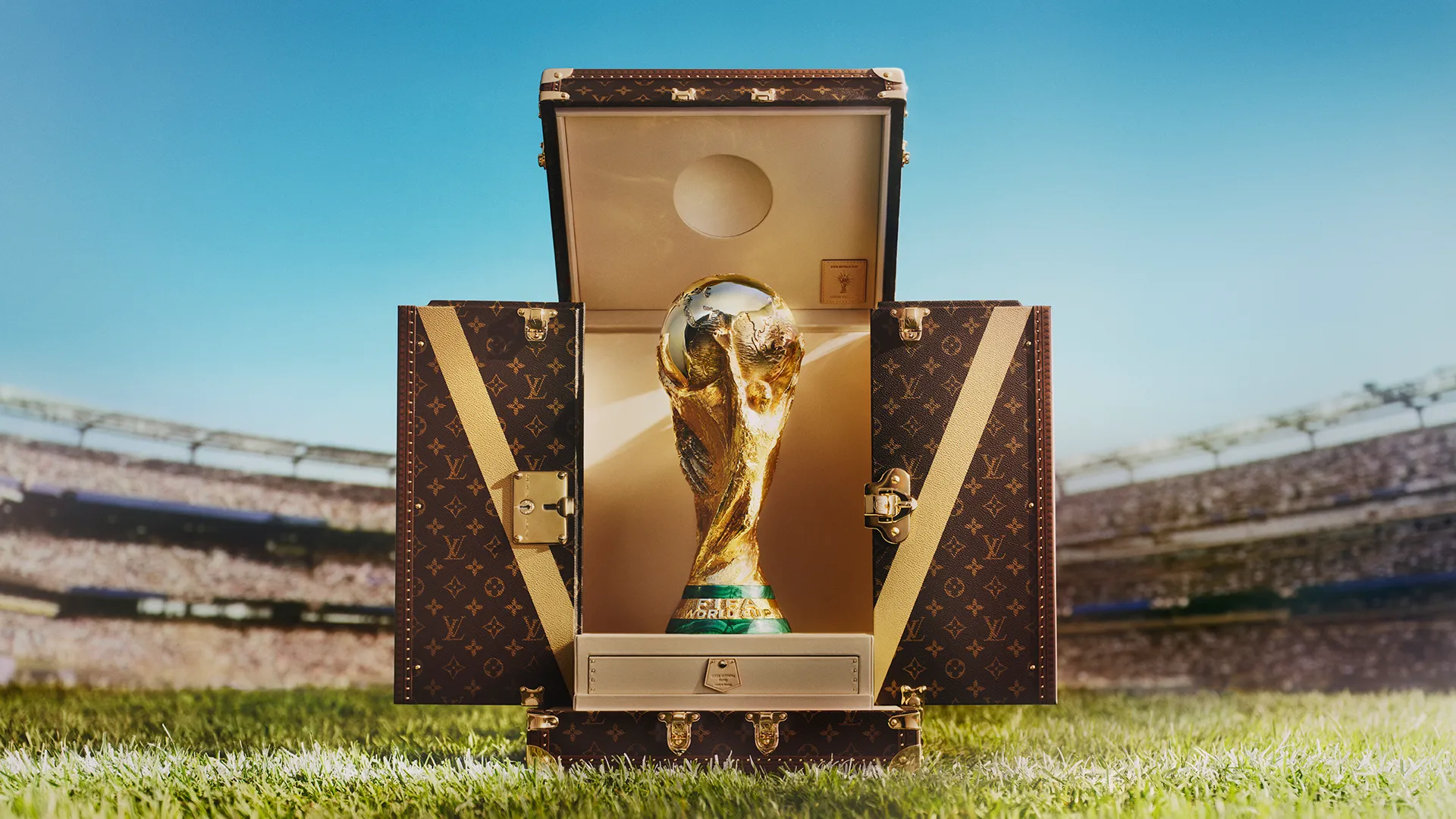
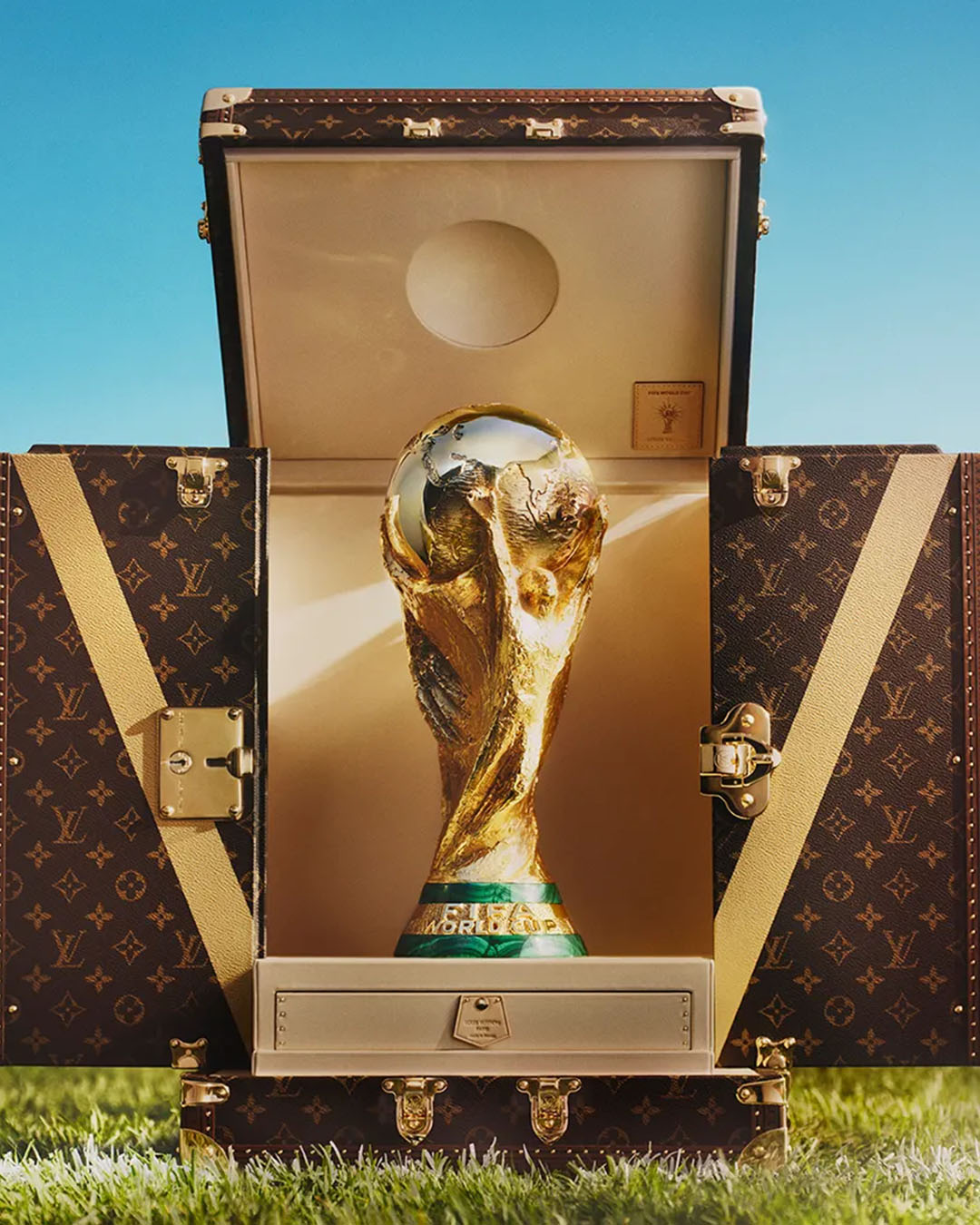
In the years that followed, the way brands portrayed him changed. Louis Vuitton photographed him not as an extravagant fashion figure, but waiting in an airport terminal, in a dark suit, with a football at his feet. In adidas campaigns, he often appears calm, casual and understated. The images no longer try to invent an unknown side of Messi. They draw on what everyone already associates with him.
His restraint has become a value in itself. Not because Messi stands outside professional image-making. His public image, too, is planned, photographed and marketed. But the brands now work less against his personality. They use precisely what could once seem like a lack of glamour: His calm, his low appetite for self-display and his closeness to the ordinary.
David Beckham became a style icon. Cristiano Ronaldo turned his name into a global brand. Lionel Messi became famous without his clothes ever having to explain who he is.
He never had to look like a global star. On the pitch, it had long been clear that he was one.
Messi never had to be cool to be cool.


