
























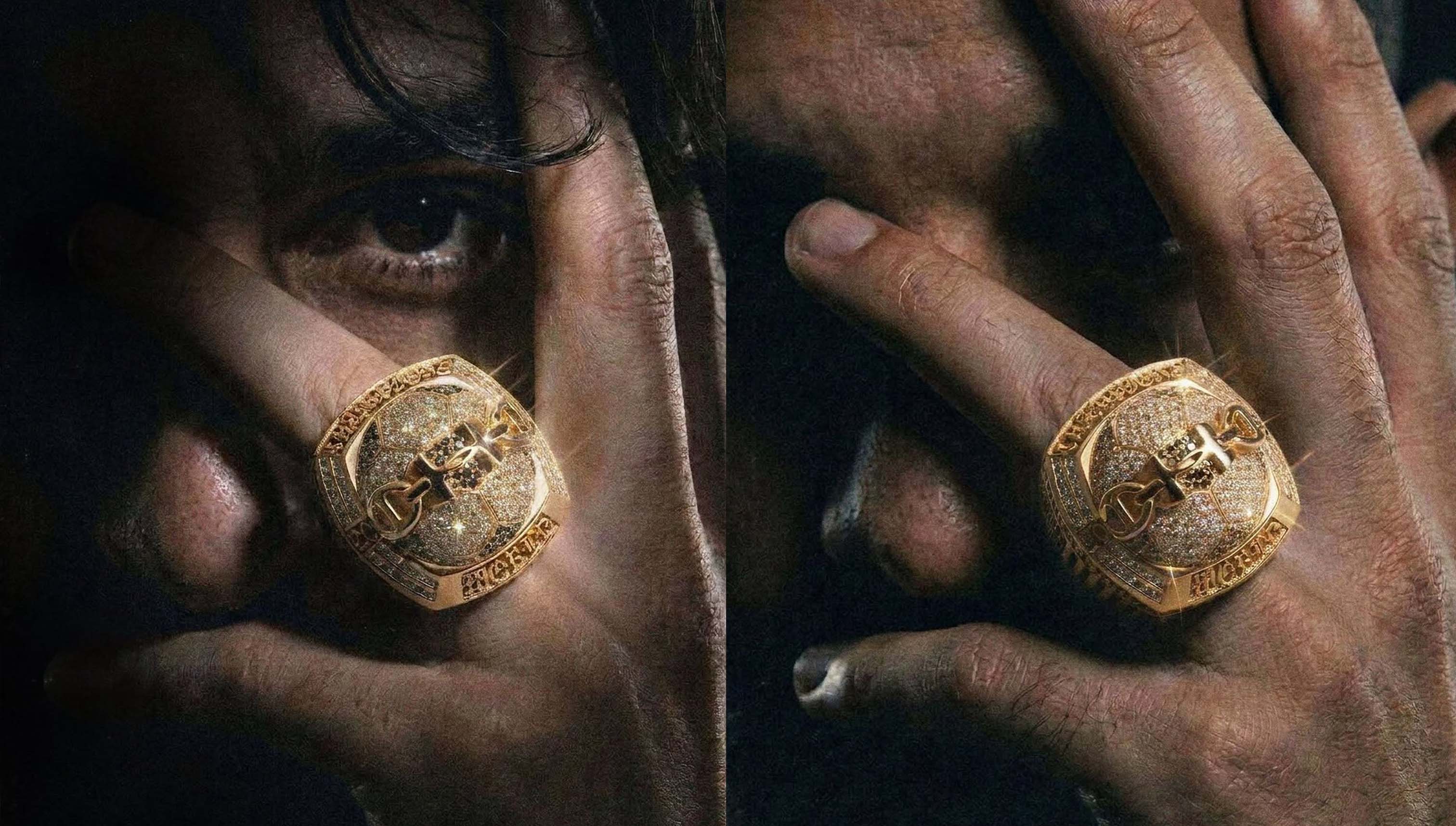
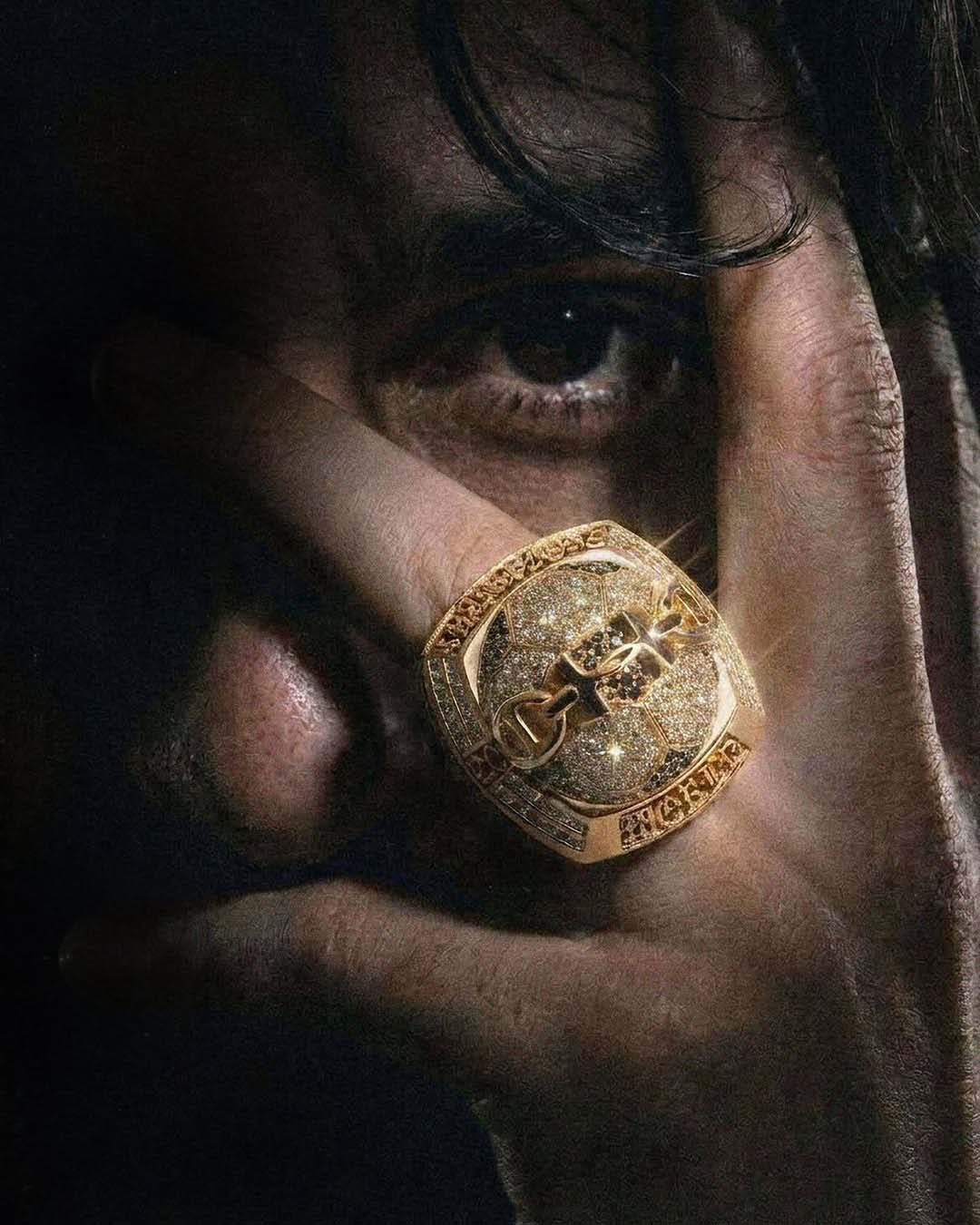
Solid gold rings for Ferran Torres and Pedro Porro: Together with Hoorsenbuhs and 424, Under Armour brings the victory ritual of US sports to football.
Championship rings belong to a title in US sports like the trophy itself. NBA, NFL, MLB: Whoever wins gets a ring. The 2026 World Cup brought this ritual to football for the first time, and Under Armour delivered a particularly luxurious interpretation: Rings made of solid gold, crafted exclusively for Spain's world champions Ferran Torres and Pedro Porro.
Solid gold from Los Angeles: The rings by Hoorsenbuhs and 424
For the rings, the brand brought in two partners rarely seen in the sports business. Hoorsenbuhs is a luxury jewellery brand from Los Angeles, known for its 18-karat gold rings and its distinctive tri-link architecture. 424 is the streetwear label of Los Angeles designer Guillermo Andrade, which had already released a joint football collection with Under Armour for the World Cup. The rings now crown that partnership with the biggest occasion of all: The world title.
One World Cup, two kinds of rings
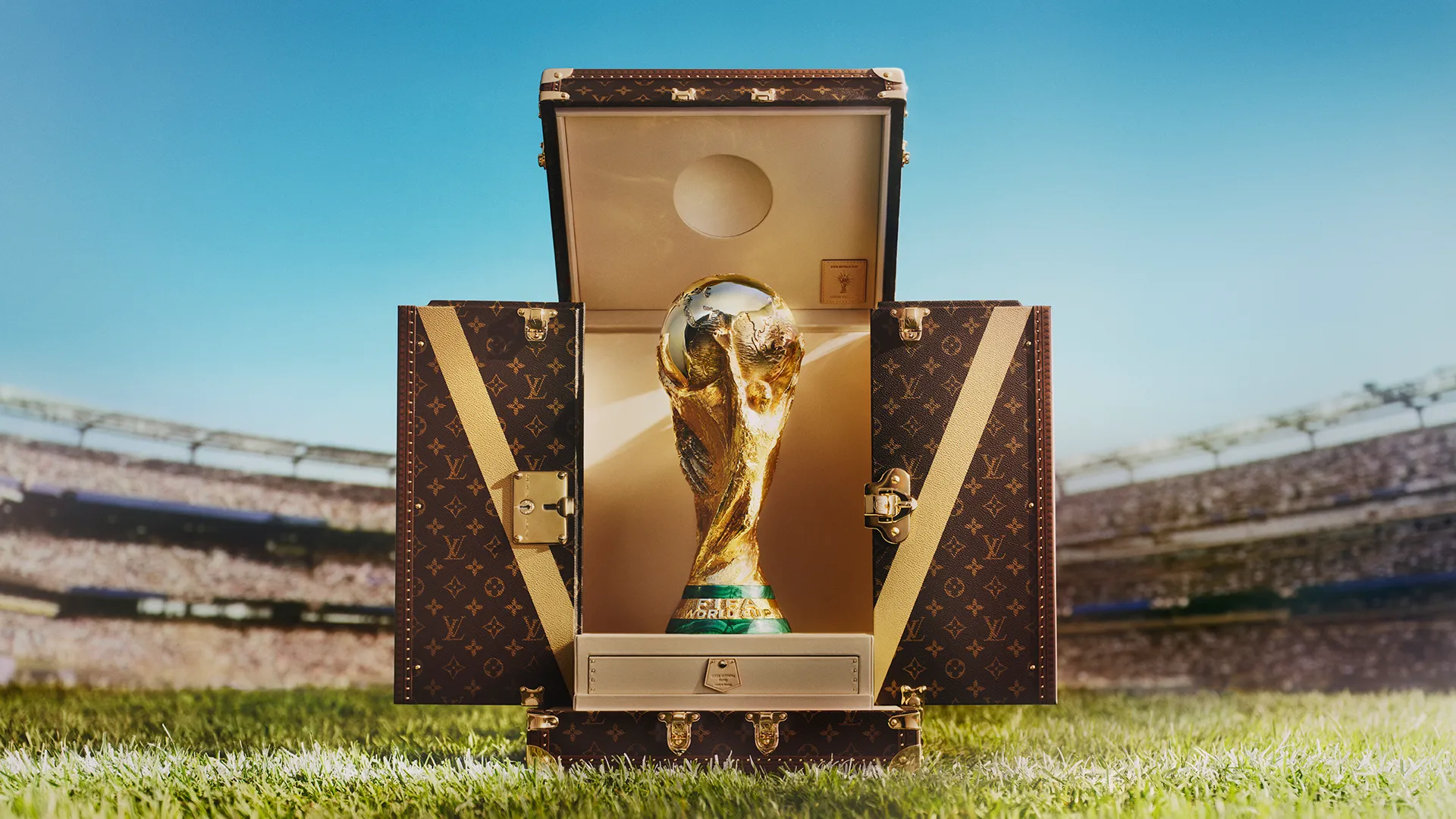
Under Armour was not alone with the idea. Before the final between Spain and Argentina, FIFA had announced it would award official championship rings to the world champions for the first time, a first in the governing body's history. 30 rings go to the squad, coaches and staff, but according to media reports, a total of 2026 numbered rings are being produced: The rest will be sold to fans worldwide, custom-made and with a certificate of authenticity.
That is exactly where the two ring premieres of this World Cup differ. While FIFA turns the victory symbol into a commodity, Under Armour's gold rings remain unsellable, a privilege of its own world champions. The setting could hardly be more fitting: Spain won the title in the USA, the home of the championship ring.
For Under Armour, the golden rings are also a strategic move. In football sponsorship, the brand plays a much smaller hand than adidas or Nike. Instead of competing with the masses, it bets on an object with symbolic power and on partners from jewellery and streetwear rather than the sports business. Visibility here comes not from shirts, but from a gesture that sticks in the memory.


