






















Pros like Nick Woltemade run a second, more relaxed account alongside their official Instagram profile. Why, when millions are already watching the first one?
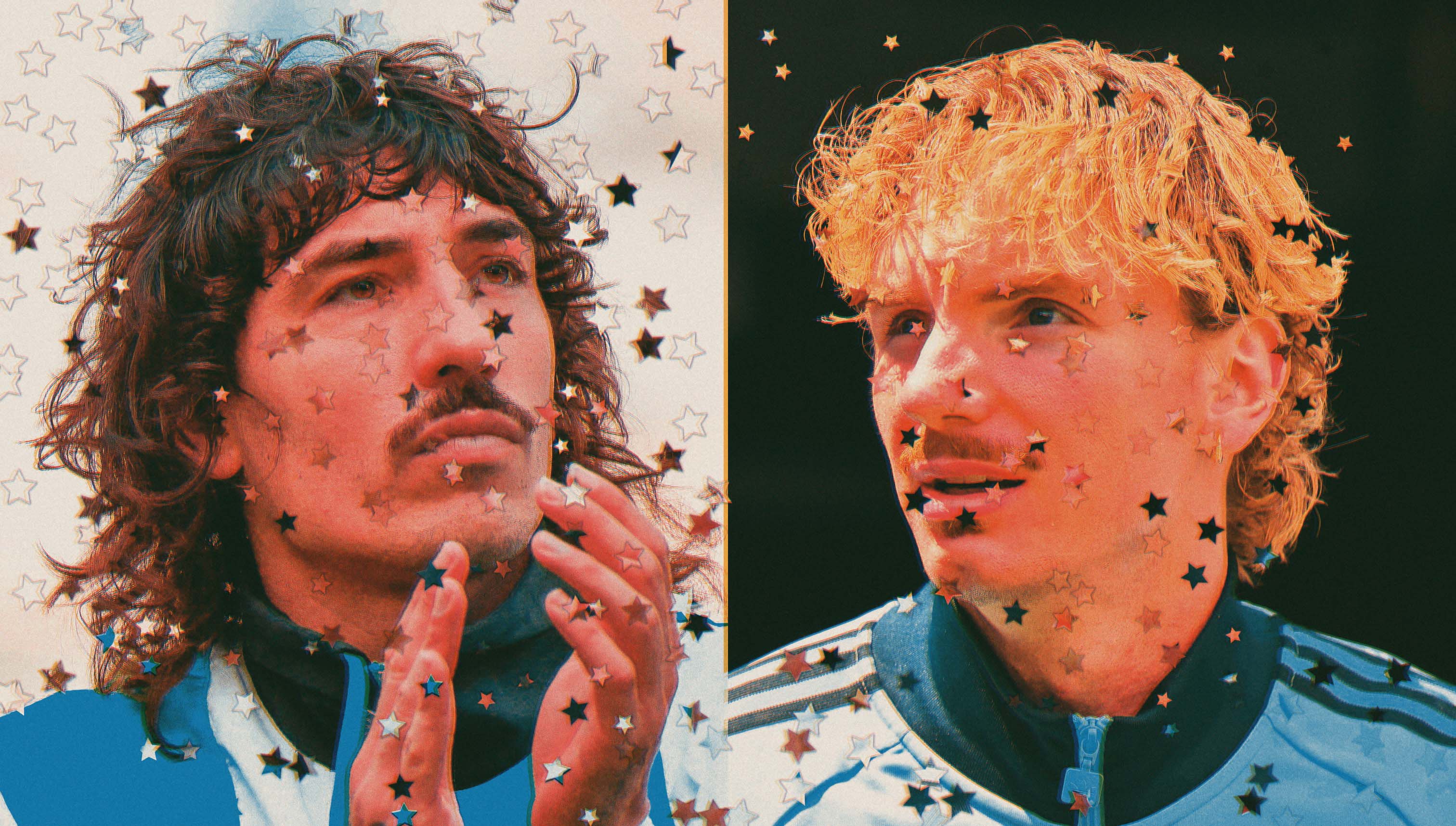
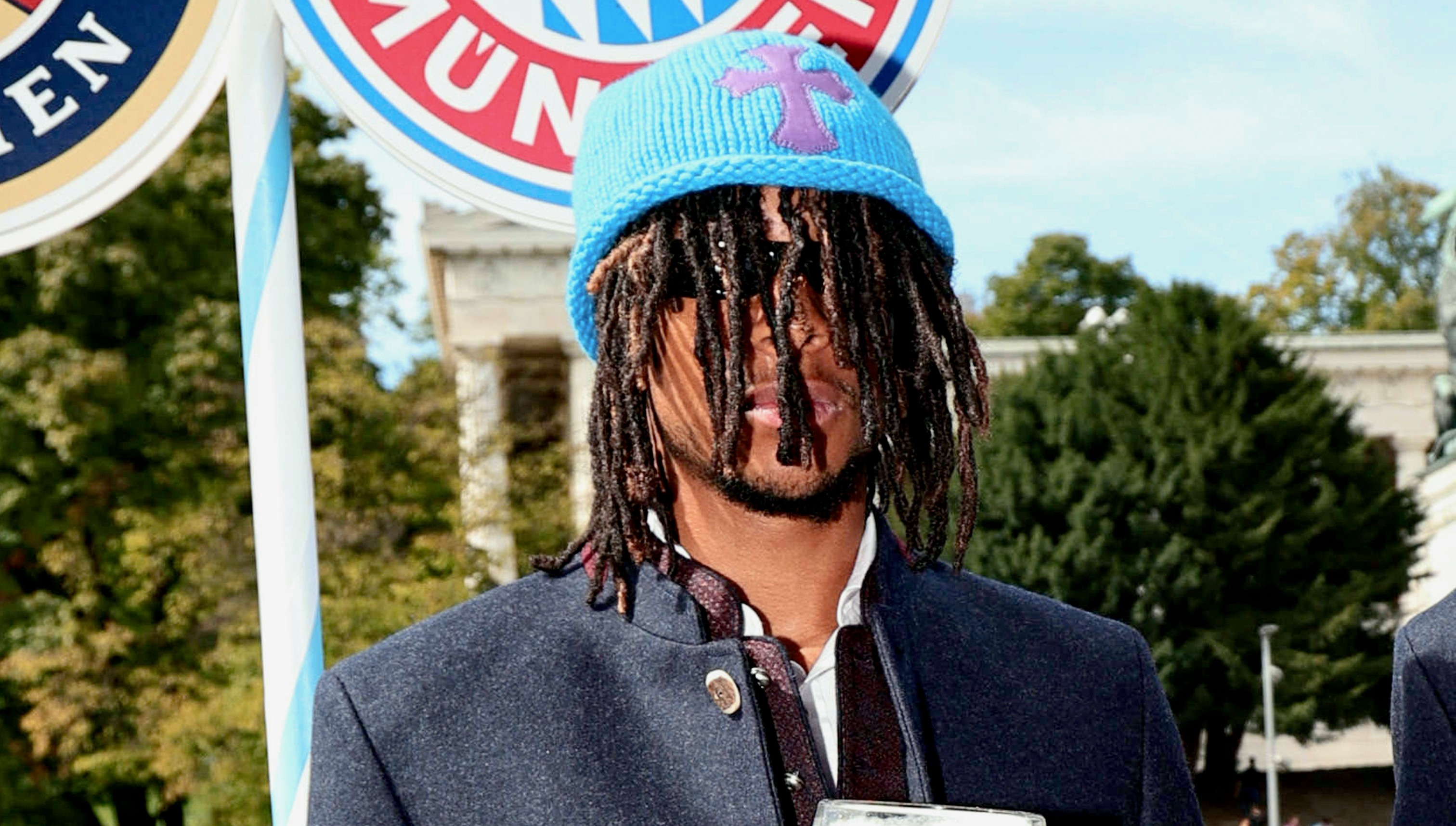
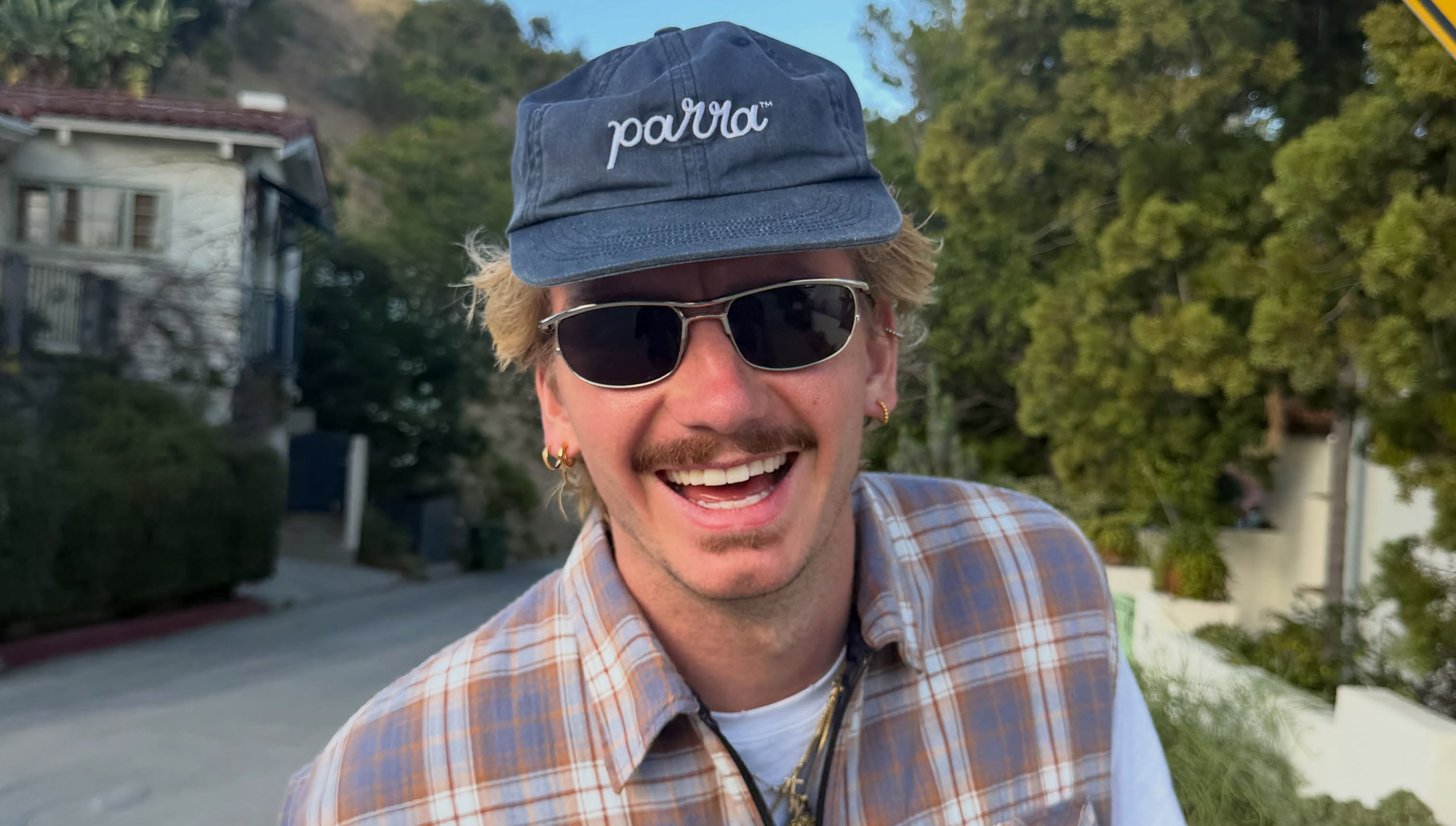
On Nick Woltemade's official Instagram profile, you see the Premier League striker and national team player: Newcastle and Germany content, matchday photos, over a million followers. On his second account @whoisjaraff, you see a 24-year-old documenting outfits, moving through cities with friends and capturing his everyday life in Newcastle. Both accounts belong to the same person, and that's exactly what this story is about.
Woltemade has been running the account for about half a year now, its name apparently a nod to his 1.98 metres: “Jaraff” as in giraffe. It was never secret, quite the opposite: his verified main profile made the second account public itself, via a collaboration post. A footballer, in other words, sets up a second channel that's meant to feel more personal than the first, and announces it entirely officially. To understand why, it helps to rewind a little.
Finsta According to Nick Woltemade & Co.: What the Term Means in Football Today
The term finsta stands for “fake Instagram” and originally referred to a private or pseudonymous second account, where mostly younger users posted things that had no place on their real profile: more spontaneous, less polished, and usually meant for a small circle only.
The version currently spreading among footballers works differently: the second accounts run by Woltemade and others are public, anyone can follow. Strictly speaking, then, these aren't classic finstas anymore, more a mix of finsta, archive account and personal side channel. The name has stuck, but the principle has shifted: less hideout, more second stage.
The Instagram Main Account in Professional Football: When It Becomes a Brand Platform
Why would someone with a functioning Instagram account need a second one at all? A look at the main profiles of modern professionals provides the answer: they've long since become professional brand platforms, filled with club and national team content, paid partnerships and elaborately produced posts. Many pros now have their channels managed by their own social media teams.
The more professional this channel becomes, the greater the apparent need for a place that's allowed to feel personal again. In Woltemade's case, fashion is already public territory anyway: British GQ profiled him earlier this year as one of the most fashion-forward footballers of his generation, with a taste for vintage stores, Carhartt, Supreme and Vinted. The second account, then, feels like the logical extension of a side of him that already exists.
Footballer Finstas: Hugo Ekitike and Xavi Simons as Further Examples
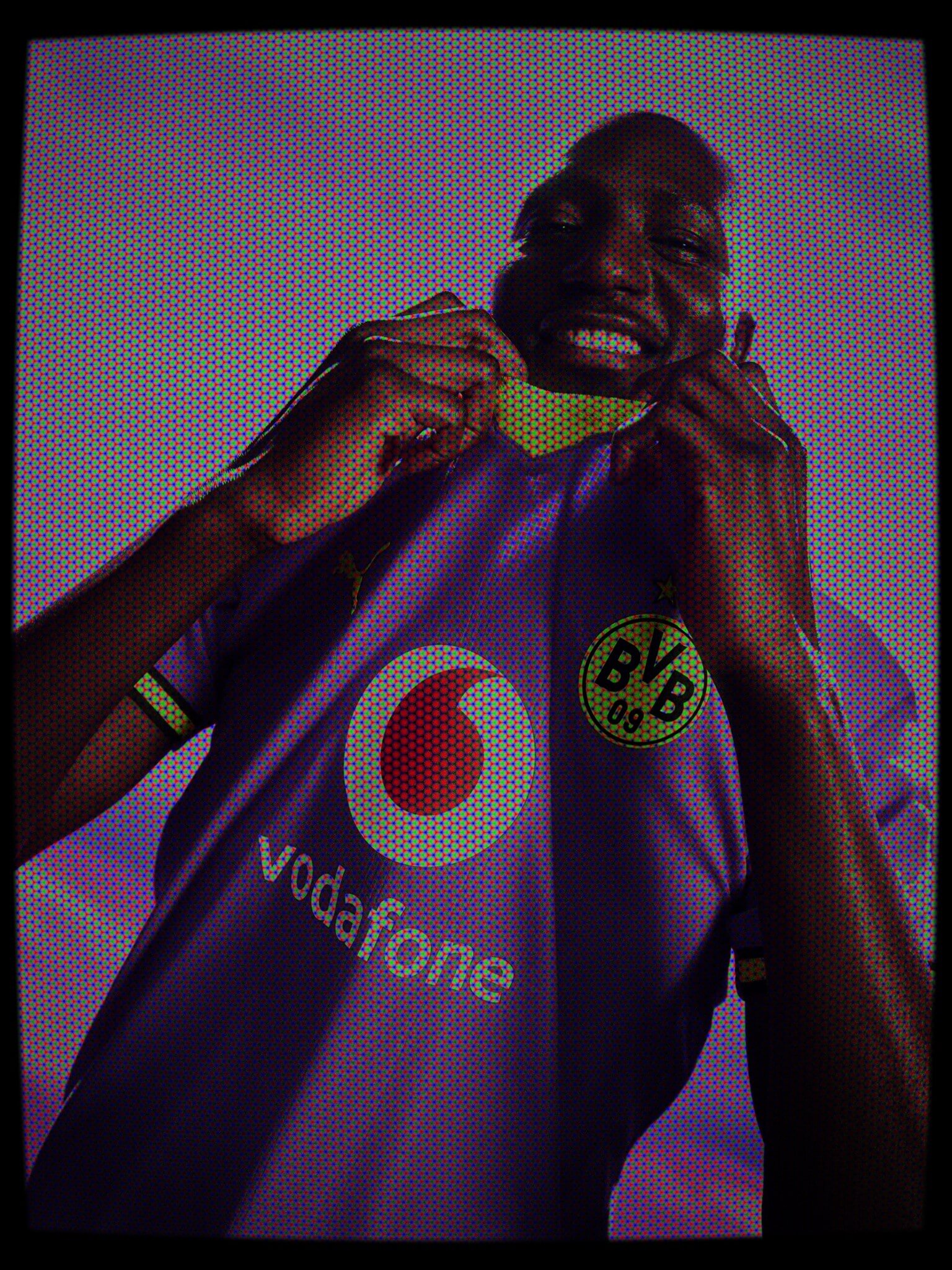
Probably the best-known footballer finsta belongs to Hugo Ekitike: on @heesheki, the Liverpool striker shows off his style, his humour and his shirt collection, currently to around 487,000 followers, compared to 3.6 million on his main account. Ekitike himself explained his take on it to the club's own channel: “It's like a Finsta but people can see,” saying it's simply about showing that he's just like everyone else.
Xavi Simons also runs one of the most active footballer finstas with @boykienoxavi, likewise officially linked to his main account, which has 6.7 million followers. The pattern is the same across the board: notably smaller reach, less polish, a more attentive audience.
Authenticity on Instagram: What Woltemade & Co. Show Their Fans
For fans, these accounts can feel like a backstage pass, closer than anything the polished profiles offer. Except that access isn't accidental: the players themselves decide which personal side becomes public.
That's not deception, just the logic of the platform. A public account with tens or hundreds of thousands of followers, linked to the main profile, is no secret hideaway. It's part of a player's public image, however casual the photos may look.
Personal Branding in Football: The Finsta Paradox
Here's the paradox: a finsta works precisely because it doesn't look like personal branding, and that's exactly what makes it such an effective part of it. Where the main account is visibly curated, with professional photos, matchdays, sponsors and campaigns, the second account promises the opposite: phone photos, friends, outfits, memes. The viewer gets the sense of seeing not the brand Nick Woltemade, but Nick Woltemade himself. And that sense of closeness ends up strengthening the brand.
That doesn't mean the authenticity is fake: Woltemade can be completely honest on @whoisjaraff about what he likes. The paradox arises because the attempt to create a space outside personal branding eventually becomes part of it. So the interesting question isn't whether these accounts are authentic. It's whether modern personal branding now needs a second account, one that looks like it isn't personal branding at all.